
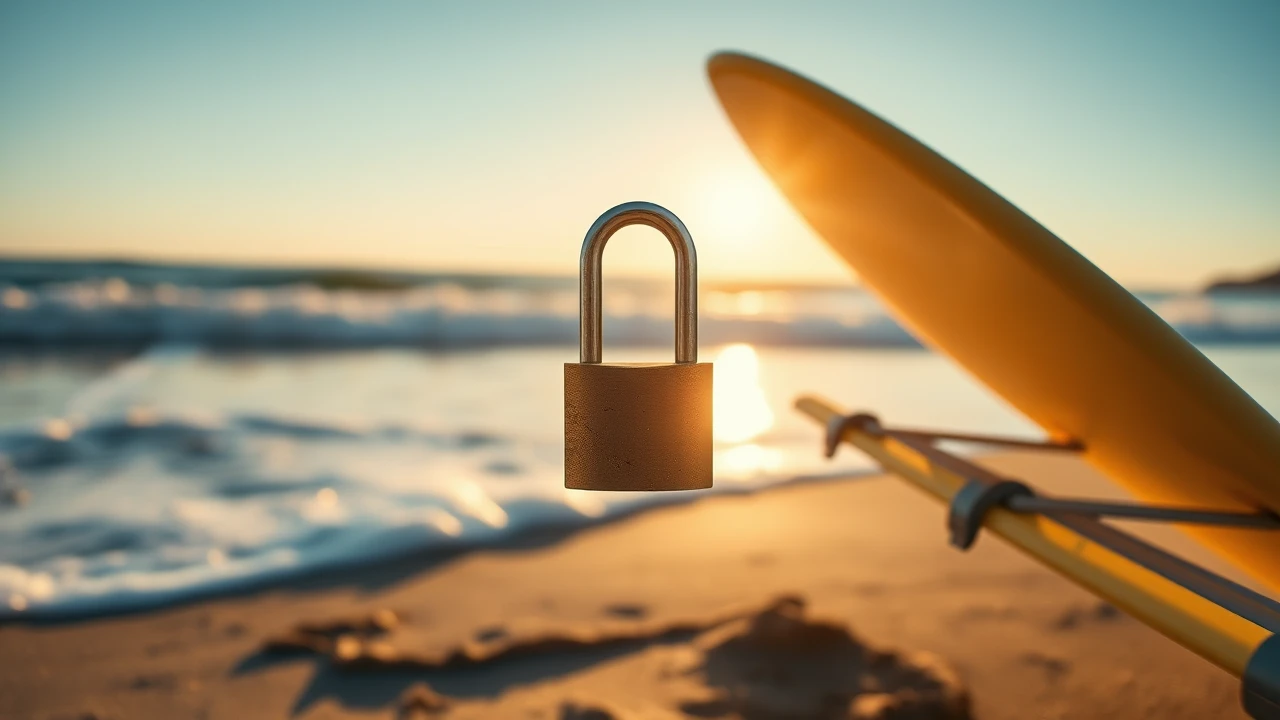
When it comes to safeguarding your surf gear, selecting the right padlock is crucial. Surfers and water sports enthusiasts face unique challenges: exposure to saltwater, sand, and unpredictable coastal weather. These conditions can quickly degrade ordinary locks, making corrosion-resistant padlocks an essential investment to keep your surfboards, wetsuits, and accessories secure. This guide will help you understand the key factors to consider when choosing a corrosion-resistant padlock tailored for protecting your surf gear.
Understanding Corrosion Resistance and Its Importance
What Causes Corrosion in Locks?
Corrosion occurs when metal reacts with environmental elements such as moisture, salt, and oxygen, leading to rust and material degradation. Coastal environments accelerate this process due to the presence of saltwater and salty air, which are highly corrosive. For surfers, leaving gear locked near the ocean means your padlock is constantly exposed to these harsh conditions.
Why Corrosion Resistance Matters for Surf Gear Locks
A corrosion-resistant padlock is designed with materials and coatings that withstand rust and deterioration. Without this protection, locks can seize up, weaken, or break, compromising your gear’s security. Investing in a marine-grade or corrosion-resistant lock ensures longer-lasting performance, reduces maintenance, and provides reliable protection in salty, sandy, and wet environments.
Key Features to Look for in Corrosion-Resistant Padlocks
Material Construction
- Stainless Steel: Highly resistant to rust and corrosion, stainless steel is a top choice for marine environments. It offers excellent durability and strength without sacrificing appearance.
- Brass: Another corrosion-resistant metal, brass resists rust and is often used in lock bodies or internal components. It’s less prone to seizing than steel.
- Hardened Steel with Protective Coatings: Some padlocks feature hardened steel shackles treated with anti-corrosion coatings, such as zinc plating or vinyl covers, offering a balance between strength and corrosion resistance.
Weatherproof Design
Look for locks with sealed or covered keyways and mechanisms to prevent sand, salt, and moisture from entering. Weatherproof designs often include rubber or plastic coverings that shield vulnerable areas from the elements, improving longevity and reliability.
Locking Mechanism: Keyed vs. Combination
-
Keyed Padlocks: Provide a traditional locking method with physical keys. They typically offer strong security and are preferred by users who want quick access without memorizing codes. For surf gear, look for locks with precision-cut keys and corrosion-resistant keyways.
-
Combination Padlocks: Use a numeric or alphanumeric code instead of keys. Benefits include not having to carry a key and the ability to reset combinations for added convenience. When choosing a combination lock, ensure it has a smooth, corrosion-resistant dial or buttons designed to resist sticking in salty environments.
Shackle Thickness and Strength
A thicker, hardened shackle reduces vulnerability to cutting or prying. For surf gear, a shackle diameter of at least 7-8mm is advisable. Additionally, closed or covered shackles provide extra protection against bolt cutters and environmental damage.
Portability and Size
Since surf gear varies in size and storage options, consider a lock that is compact and lightweight enough to carry easily. However, balance portability with robustness—too small a lock may compromise security, while too large might be cumbersome.
Comparing Keyed and Combination Padlocks for Surf Gear
Pros of Keyed Padlocks
- Generally offer higher security due to precision key mechanisms.
- No need to remember combinations.
- Easier to operate if you prefer quick access.
Cons of Keyed Padlocks
- Risk of losing keys; carrying spare keys is recommended.
- Keyholes can become clogged with sand or salt if not well-sealed.
Pros of Combination Padlocks
- No keys to lose; convenient for quick access.
- Often feature resettable codes, allowing users to change combinations as needed.
- Typically sealed dials/buttons reduce ingress of dirt and moisture.
Cons of Combination Padlocks
- Combinations can be forgotten or accidentally changed.
- Some models may be less secure if the mechanism is simplistic.
Choosing between keyed and combination locks depends on your personal preference for access and security. For higher security needs, keyed locks are generally superior. For convenience and flexibility, combination locks work well, especially if they are designed for marine conditions.
Practical Tips for Securing Surf Gear with Padlocks
Use Locking Stations or Secure Anchors
Padlocks are only as strong as what they secure. Always lock your gear to sturdy, fixed points such as dedicated locking stations, heavy-duty racks, or ground anchors designed for outdoor gear. Avoid flimsy or movable objects.
Regular Maintenance to Extend Lock Life
- Rinse your padlock with fresh water after exposure to saltwater to remove corrosive residues.
- Apply lubricant specifically designed for locks (such as graphite or silicone spray) to keep internal mechanisms smooth.
- Inspect locks regularly for signs of wear or corrosion and replace when necessary.
Combine with Additional Security Measures
For valuable surf gear, consider pairing your padlock with other security solutions like cable locks or alarmed lockboxes. Layered security deters opportunistic theft.
Final Thoughts: Balancing Durability, Security, and Convenience
Choosing the best corrosion-resistant padlock for surf gear protection requires balancing multiple factors:
- Durability: Marine-grade materials and weatherproofing ensure your lock withstands coastal conditions.
- Security: Heavy-duty shackles and robust locking mechanisms prevent theft.
- Convenience: Easy operation, whether via keys or combinations, enhances everyday usability.
- Maintenance: Locks that are easy to clean and maintain will last longer and perform better.
By understanding these key considerations, surfers and outdoor enthusiasts can confidently select padlocks that provide peace of mind and reliable protection for their gear, no matter how challenging the environment.
With the right corrosion-resistant padlock, you can spend more time enjoying the waves and less time worrying about the safety of your surf equipment. Keep these insights in mind when shopping for your next lock and ensure your gear stays secure through every surf session.