
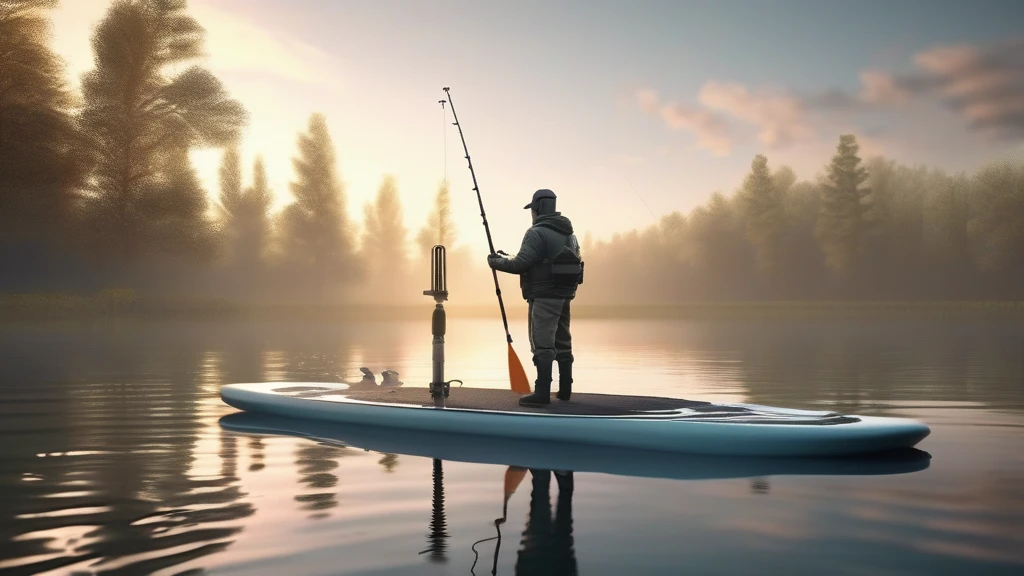
Stand-up paddleboarding (SUP) has evolved beyond a simple recreational activity into a versatile water sport with specialized boards tailored for various uses. Among these, fishing paddleboards have gained popularity among anglers who want to combine the thrill of fishing with the freedom and mobility of paddleboarding. However, not every paddleboard is suited for fishing, and choosing the right one involves a careful balance of stability, storage capacity, and gear compatibility. This guide breaks down the essential factors to consider when selecting the best fishing paddleboard to ensure a safe, enjoyable, and productive day on the water.
Why Choose a Fishing Paddleboard?
Fishing paddleboards are designed to offer anglers a unique vantage point and access to fishing spots that may be unreachable by boat or shore. Unlike standard SUPs, fishing boards prioritize stability to accommodate standing, casting, and reeling motions without compromising balance. Additionally, they typically integrate ample storage options for fishing gear, tackle boxes, coolers, and sometimes even features to mount rod holders or electronic devices like fish finders.
Understanding the features that make a fishing paddleboard effective can help you make an informed decision aligned with your fishing style, skill level, and water conditions.
Key Factors to Consider When Choosing a Fishing Paddleboard
1. Stability: The Foundation of a Successful Fishing Trip
Stability is paramount for fishing paddleboards because anglers spend extended periods standing and performing dynamic movements. A stable platform reduces the risk of falls and allows for confident casting and maneuvering.
-
Board Width: Fishing SUPs tend to be wider than traditional boards, often ranging from 32 to 36 inches or more. The added width increases the surface area, enhancing balance and support for heavier loads.
-
Board Thickness: Thicker boards (6 inches or more) offer greater buoyancy and weight capacity, essential for carrying fishing gear and an angler’s weight without sacrificing performance.
-
Hull Shape: Flat or planing hulls provide superior stability, making them well-suited to calm waters like lakes and slow-moving rivers. Some fishing boards feature slight displacement hulls to improve tracking while maintaining stability in varied conditions.
-
Deck Pad Texture: A large, textured, non-slip deck pad gives additional grip, reducing the chance of slipping when wet and providing comfort during long sessions.
2. Storage and Cargo Capacity: Organizing Your Gear on the Water
Fishing requires carrying an assortment of equipment, so storage options are crucial in a fishing paddleboard's design.
-
Bungee Tie-Downs: Most fishing SUPs include front and rear bungee systems to secure tackle boxes, coolers, dry bags, or even a small cooler. Look for boards with multiple bungee areas to organize different gear types.
-
Built-In Storage Compartments: Some models offer sealed storage compartments or watertight boxes integrated into the deck, ideal for safely stashing valuables, electronics, or bait.
-
Rod Holders: Integrated or attachable rod holders free your hands during paddling or while waiting for a bite. Ensure the board has compatible mounts or rails to install these accessories.
-
Gear Attachment Points: D-rings or rails allow for adding removable storage solutions like tackle bags, anchor systems, or fish finders, enhancing versatility on longer trips.
3. Material and Construction: Durability Meets Portability
Fishing paddleboards are often exposed to rough conditions including rocks, docks, and sun exposure. The board's material affects its durability, weight, and ease of transport.
-
Inflatable Paddleboards: Made from military-grade PVC with drop-stitch core construction, inflatables are highly durable and puncture-resistant. Their portability is a major plus, as they can be deflated, rolled, and carried in a backpack or car trunk. Inflation times typically range from 5 to 10 minutes, making them convenient for travel and storage.
-
Solid (Epoxy or Composite) Boards: These are rigid and often lighter on the water, providing superior performance and tracking. However, they can be heavier and less portable, requiring roof racks or trailers for transport. They are more susceptible to dings and require careful handling.
-
Hybrid Constructions: Some boards combine rigid decks with inflatable rails or use reinforced PVC layers for added rigidity and impact resistance, balancing portability with performance.
4. Fin Systems: Enhancing Tracking and Maneuverability
The fin setup on a fishing paddleboard influences how well it tracks straight and how easily it turns—both important for positioning during fishing.
-
Single Large Fin: Offers excellent straight-line tracking but less maneuverability. Ideal for calm waters and long-distance paddling.
-
Tri-Fin Setup: Adds control for tighter turns and better stability during lateral movements like casting.
-
Removable Fins: Allow customization based on water conditions and storage convenience. Inflatable boards often use screw-in fins for easy setup.
5. Weight Capacity: Supporting You and Your Catch
Fishing paddleboards usually support higher weight capacities than standard SUPs to accommodate anglers, gear, and any catches.
- Consider your body weight plus the estimated weight of your gear. Choose a board with at least 50-100 pounds (23-45 kg) above your combined weight to maintain optimal stability and performance.
6. Safety Features and Accessories
Safety should never be overlooked, especially when fishing in remote or deeper waters.
-
Non-Slip Deck Pads: Essential for secure footing.
-
Leash Attachments: Protect your board from drifting away if you fall in.
-
Handle Placement: Comfortable, well-placed handles make carrying the board easier.
-
Reflective Elements: Increase visibility during dawn or dusk fishing sessions.
Additional Tips for Maximizing Your Fishing Paddleboard Experience
-
Practice Balance and Casting Techniques: Before heading out, spend time getting comfortable standing and casting on your board in calm, shallow waters.
-
Use a Personal Flotation Device (PFD): Even experienced paddleboard anglers should wear a PFD for safety.
-
Plan Your Gear Layout: Organize tackle, bait, and tools efficiently to prevent clutter and maintain board stability.
-
Consider Environmental Impact: Opt for boards made with eco-friendly materials or sustainable manufacturing processes. Practice catch-and-release fishing and respect local wildlife habitats.
-
Maintenance: Rinse your board with fresh water after use, inspect for damage, and store it in a cool, shaded area to prolong its lifespan.
Conclusion
Choosing the best fishing paddleboard involves balancing stability, storage capacity, and durability to suit your fishing style and environment. Whether you opt for an inflatable board’s portability or a solid board’s performance, focusing on wide, stable designs with ample gear storage and thoughtful accessories will enhance your fishing excursions on the water. By understanding key features such as hull shape, material construction, fin configuration, and safety elements, you can confidently select a fishing paddleboard that offers both functionality and comfort—helping you make the most of every paddle and cast.