
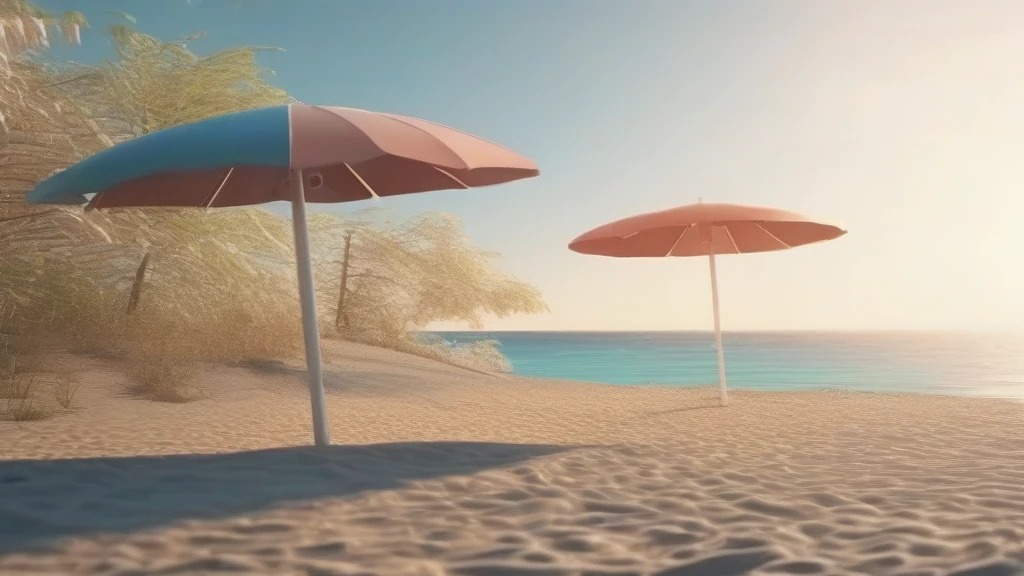
Spending time at the beach is a wonderful way to relax, soak up some sun, and enjoy the outdoors. However, protecting yourself from harmful UV rays is crucial for your skin’s health and overall well-being. A well-chosen beach parasol offers not only shade but also a shield against UV exposure, combining comfort with safety. With so many options available, selecting the perfect parasol can feel overwhelming. This guide breaks down the key factors to consider—size, UV protection, and portability—helping you find the ideal beach companion for your outdoor adventures.
Understanding the Importance of UV Protection
What Does UPF Mean?
When shopping for a beach parasol, you’ll often see a UPF rating, which stands for Ultraviolet Protection Factor. This rating indicates how effectively the fabric blocks UV radiation. For example, a UPF 50+ fabric allows only 1/50th of the sun’s UV rays to pass through, blocking 98% of harmful rays. Many high-quality parasols feature UPF ratings between 50+ and 80+, providing robust protection that can significantly reduce your risk of sunburn and long-term skin damage.
Health Benefits of High UPF Parasols
Choosing a parasol with a certified high UPF rating is a proactive measure toward preventing skin-related health issues, including premature aging and skin cancer. Unlike sunscreen, which requires reapplication, parasols provide continuous, passive protection as long as you stay under their shade. When combined with other sun-safe practices, such as wearing sunglasses and protective clothing, a parasol becomes a cornerstone of effective sun care.
Selecting the Right Size for Your Needs
Canopy Diameter: Balancing Coverage and Convenience
Beach parasols typically offer canopy diameters ranging from 6 to 10 feet. The size you choose depends on how much shade you need and how many people you want to shelter.
- 6 to 7 feet: Ideal for solo beachgoers or couples. These parasols are easier to carry and set up while providing sufficient shade for one or two people.
- 8 to 10 feet: Better suited for families or groups, offering ample coverage for multiple beach chairs, blankets, or picnic setups.
Larger canopies naturally provide more shade but tend to be bulkier and heavier. If you frequently spend time at crowded beaches or enjoy group outings, a bigger parasol may be worth the extra effort.
Height and Adjustability
An adjustable height feature allows you to customize the parasol to your preferred shade level and sit comfortably without bumping your head. Many models also offer tilt or multi-angle adjustments, which are valuable for following the sun’s changing position throughout the day. This flexibility maximizes shaded areas and enhances comfort during long beach sessions.
Portability: Making Transport and Setup Effortless
Lightweight Materials and Compact Designs
Since portability is a major factor for beach parasols, look for lightweight constructions made from rustproof aluminum or steel poles combined with durable yet lightweight fabrics. Foldable or telescoping poles enable the parasol to collapse into a compact size, fitting easily into a carry bag or backpack. This convenience is especially important if you walk a long distance from parking areas or use public transport.
Carry Bags and Storage
Many parasols come with dedicated carry bags featuring shoulder straps or handles, making them easier to transport. Choose a bag with a sturdy zipper and ventilation to prevent moisture buildup, which helps keep your parasol fresh and dry for the next use.
Quick and Stable Setup
Setting up your parasol quickly and securely boosts enjoyment and peace of mind. Look for features such as:
- Sand anchors or screw-in bases: These provide firm grip on sandy beaches, preventing your parasol from tipping over in wind.
- Weighted bags or clamp bases: Ideal for patios, grass, or rocky surfaces where anchoring into the ground isn’t feasible.
- Double-vented canopies: These reduce wind pressure, improving stability during breezy conditions.
Ease of assembly and disassembly also matters—simple push-button mechanisms or twist locks save time and effort.
Choosing Durable and Eco-Friendly Materials
Weather-Resistant Fabrics
Beach parasols must withstand sun, salt, and occasional rain. Water-resistant, quick-dry fabrics help maintain canopy integrity and appearance, while UV coatings enhance sun protection. Tear-resistant materials and reinforced stitching extend parasol life, making them reliable companions season after season.
Sustainability Considerations
Many manufacturers now prioritize eco-friendly production, using recycled or biodegradable fabrics and rustproof poles made from recyclable metals. Choosing parasols with sustainable components supports environmental responsibility and reduces your outdoor gear’s carbon footprint.
Practical Tips for Maximizing Your Beach Parasol Experience
- Position your parasol to block the sun’s rays effectively: Adjust tilt and height as the sun moves across the sky.
- Anchor securely: Use the appropriate anchoring system for your beach’s terrain to avoid accidents or damage.
- Combine with other sun protection: Parasols are part of a comprehensive sun safety plan, including sunscreen, hats, and sunglasses.
- Store dry and clean: After use, let your parasol dry completely before packing away to prevent mold and fabric deterioration.
- Match your style: Parasols come in various colors and patterns—select one that complements your beach gear and personal taste to enhance your outdoor vibe.
Conclusion
Choosing the perfect beach parasol involves balancing size, UV protection, and portability to fit your lifestyle and outdoor environment. By understanding UPF ratings, canopy dimensions, ease of transport, and durable, eco-friendly materials, you can select a parasol that offers reliable sun protection and convenience. Whether you’re a solo beach lover or part of a family outing, the right parasol improves comfort, safeguards your skin, and adds a touch of style to your seaside adventures. Take the time to evaluate your specific needs and preferences, and enjoy the outdoors with confidence and peace of mind.