
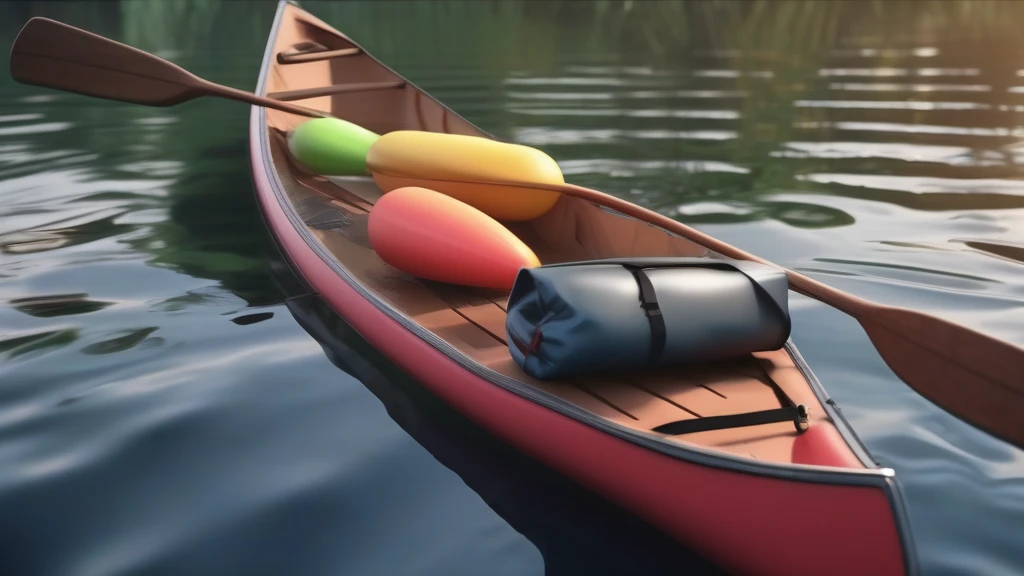
When embarking on canoeing or other water sport adventures, keeping your gear dry, secure, and organized is essential. Canoe storage bags, commonly known as drybags, are designed specifically to protect personal belongings from water, rough conditions, and environmental exposure. However, with a wide variety of options on the market, selecting the right canoe storage bag can feel overwhelming. This guide will help you understand the key features, materials, and considerations to choose the perfect drybag tailored to your boating and water sport needs.
Why Canoe Storage Bags Matter
Canoeing and related water activities like wakeboarding, water skiing, and towable tubing often involve unpredictable water exposure. Wet gear or damaged electronics can quickly spoil an outing. Canoe storage bags provide a reliable barrier against water, sand, UV rays, and abrasion. Beyond waterproofing, many drybags also offer safety features such as buoyancy for easy retrieval if dropped in water, ergonomic handles for comfortable transport, and reinforced attachment points for towing or docking.
Investing in a high-quality canoe storage bag ensures that your essential gear stays dry and protected, making your water-based adventures safer and more enjoyable.
Key Features to Look for in a Canoe Storage Bag
Waterproof and Abrasion-Resistant Materials
The foundation of any good canoe storage bag is its material. Look for bags constructed from marine-grade fabrics such as polypropylene, nylon, polyester, or braided polyethylene. These materials are chosen for their resistance to abrasion, tearing, and prolonged exposure to saltwater and sunlight.
Waterproof coatings or laminates enhance protection, while UV resistance prevents material degradation and color fading over time. Some drybags also incorporate eco-friendly or recyclable components, appealing to environmentally conscious paddlers.
Size and Capacity
Canoe storage bags come in a range of sizes, typically measured in liters. Consider the type and amount of gear you need to store:
- Small bags (5-10 liters): Ideal for valuables like phones, wallets, and keys.
- Medium bags (15-30 liters): Suitable for clothing, snacks, and smaller gear.
- Large bags (40+ liters): Perfect for bulky equipment or multi-day trips.
Choosing the appropriate size ensures you avoid carrying excess bulk while having enough space to organize essentials.
Carrying Comfort and Portability
Ergonomics matter, especially if you’re portaging your canoe or transporting gear over long distances. Features that improve comfort include padded or EVA foam handles, anti-slip grips, and adjustable shoulder straps.
Compact foldable designs allow empty bags to be stashed easily without taking up space. Additionally, lightweight construction reduces fatigue during transport.
Safety and Convenience Features
Some canoe storage bags integrate safety elements critical for boating and rescue situations:
- Floating ropes or buoyant handles: Help you retrieve the bag if it falls overboard.
- Quick-release buckles and safety clips: Allow fast access or emergency detachment.
- Reinforced loops and attachment points: Enable secure tethering to boats or docks.
- High-visibility colors and reflective strips: Improve visibility in low light and emergency conditions.
These features enhance both usability and safety, particularly for professionals involved in rescue operations or for those paddling in challenging environments.
Certifications and Durability Ratings
Reputable manufacturers often provide certifications such as ISO, CE, TÜV, or marine safety approvals. These certifications indicate that the bags meet strict quality, safety, and durability standards.
Pay attention to tensile strength ratings for drybag materials and tow ropes, which commonly range from 1,000 to 2,500 pounds. Higher strength ratings mean better resistance to tears, punctures, and heavy-duty use.
Environmental Responsibility
Sustainability is increasingly important in outdoor gear. Many canoe storage bags now feature low carbon manufacturing, minimal waste processes, and use of recyclable or biodegradable materials.
Choosing eco-friendly drybags supports preservation of waterways and marine ecosystems, aligning your water sport lifestyle with responsible environmental stewardship.
Matching Canoe Storage Bags to Your Water Sport Activity
Different water sports have distinct requirements that influence the ideal drybag choice.
For Recreational Canoeing and Kayaking
Focus on lightweight, compact bags with moderate capacity for essentials like dry clothes, food, and gadgets. Waterproof construction and UV resistance are key. A medium-sized drybag (15-30 liters) with comfortable handles and secure roll-top closures is usually sufficient.
For Wakeboarding and Water Skiing
These high-adrenaline sports often require quick access to gear and strong durability. Look for drybags with reinforced attachment points for towing and safety clips for fast release. Floating features and high-visibility colors enhance safety during fast-paced activities.
For Towable Tubing and Docking
Towing gear needs strong tensile strength and abrasion resistance. Choose bags with heavy-duty materials and certified tow ropes. Compact foldability and ergonomic grips ease transport from dock to watercraft.
For Professional Rescue Operations
Rescue personnel require specialized drybags that meet stringent safety standards. High-visibility colors, reflective elements, quick-release mechanisms, and buoyant handles are essential. Bags should be rugged, certified, and capable of storing emergency equipment securely.
Tips for Maintaining Your Canoe Storage Bag
Proper care extends the life of your drybag and ensures consistent performance:
- Clean regularly: Rinse with fresh water after exposure to saltwater or dirt. Mild soap can be used for stubborn stains.
- Dry thoroughly: Air dry completely before storage to prevent mold and odors.
- Store properly: Keep bags in cool, dry places away from direct sunlight.
- Inspect for damage: Check seams, buckles, and straps for wear or tears and repair promptly.
- Avoid overloading: Respect the bag’s capacity limits to prevent material stress.
Following these maintenance steps will keep your canoe storage bag reliable for many adventures to come.
Conclusion
Choosing the perfect canoe storage bag involves balancing waterproof protection, durability, size, comfort, and safety features tailored to your specific water sport activities. Understanding material differences, certifications, and environmental considerations will help you select a high-quality drybag that keeps your gear secure and dry against the challenges of aquatic environments.
Whether you’re a recreational paddler, a wakeboarding enthusiast, or a professional rescuer, investing time in picking the right canoe storage bag enhances your overall boating experience while safeguarding your essentials. With the right knowledge, you can confidently navigate your next water adventure equipped with gear that meets your needs and supports long-lasting performance.