
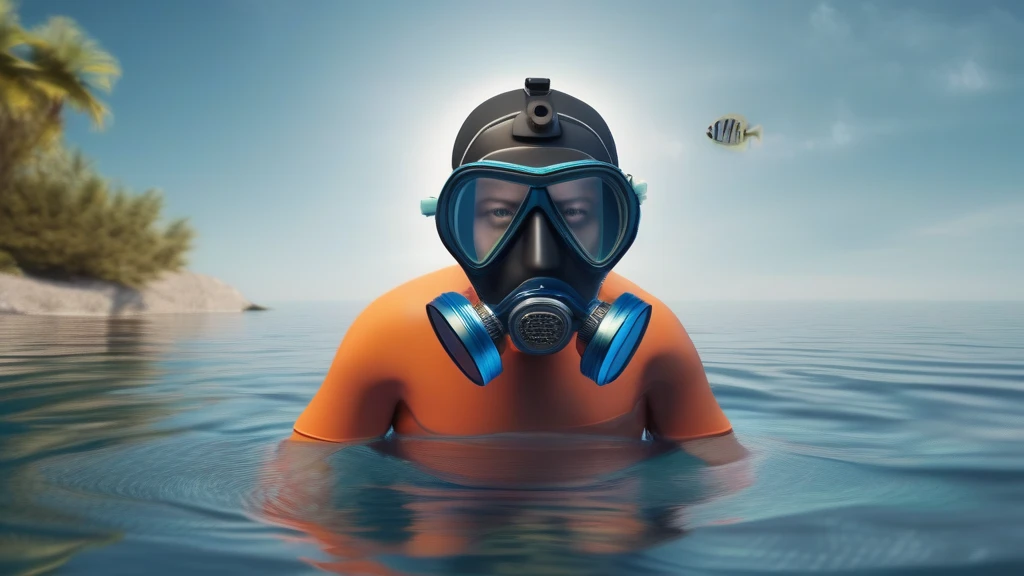
Diving masks are essential gear for anyone exploring the underwater world, whether for snorkeling, scuba diving, freediving, spearfishing, or underwater photography. However, finding the perfect mask can be a challenge due to the variety of styles, features, and technologies available. One of the most critical factors in selecting a diving mask is ensuring a comfortable, secure fit tailored to your unique face shape and diving skill level. This guide breaks down the key considerations to help you choose a mask that enhances your underwater experience while prioritizing comfort and safety.
Understanding the Importance of Fit: Why Face Shape Matters
A diving mask must create a watertight seal against your face to prevent leaks and ensure clear vision underwater. Because everyone's facial structure differs, not all masks fit equally well. Identifying your face shape and understanding how it interacts with mask designs is the first step toward a perfect fit.
Common Face Shapes and Mask Compatibility
-
Oval Faces: Oval-shaped faces tend to be well-proportioned, making them compatible with most mask designs. You can explore different styles, from single-lens panoramic masks to dual-lens masks, depending on your preferences.
-
Round Faces: Masks with a narrower frame and adjustable straps often work best for round faces, as they prevent excess pressure around the cheeks and temples.
-
Square Faces: Look for masks with softer, more flexible skirts that contour gently around the jawline and forehead to reduce pressure points.
-
Long Faces: Wider, low-volume masks that provide a broad field of vision can complement longer faces, offering comfort without compromising seal integrity.
Custom Fit Tips
-
Silicone Skirt Quality: High-grade, hypoallergenic silicone skirts provide flexibility and comfort. Softer silicone molds better to facial contours, enhancing the seal.
-
Try Before You Buy: Perform a "suction test" by placing the mask on your face without the strap and inhaling slightly through your nose. If the mask stays securely in place without air leaks, it’s a good fit.
-
Adjustable Straps and Buckles: Ensure the mask features easily adjustable straps with quick-release buckles to fine-tune fit and prevent discomfort during prolonged use.
Matching Your Skill Level with the Right Mask Features
The demands of underwater activities vary significantly based on experience and intended use. Selecting a mask that complements your skill level can improve comfort, visibility, and safety.
Beginner Divers and Snorkelers
For those new to diving or snorkeling, comfort and ease of use are paramount.
-
Medium Volume Masks: These masks strike a balance between comfort and ease of clearing water.
-
Dual-Lens Designs: Provide a good field of vision and are generally more affordable and widely available.
-
Wide Field of View: Helps beginners maintain spatial awareness underwater.
-
Anti-Fog Coatings: Prevent fogging to reduce frustration and improve visibility.
Intermediate to Advanced Divers
Experienced divers often seek masks that enhance performance and durability.
-
Low Volume Masks: These have reduced internal space, making them easier to clear and allowing for easier equalization during freediving.
-
Frameless or Flexible Frame Designs: Offer better peripheral vision and a closer fit.
-
Tempered Glass Lenses with Special Coatings: Polarized, mirrored, or hydrophobic coatings improve clarity and reduce glare, essential in varied lighting conditions.
Specialized Masks for Professionals and Enthusiasts
-
Underwater Photographers: Opt for masks with distortion-free lenses and wide panoramic views to frame shots accurately.
-
Spearfishers and Freedivers: Require streamlined, low-volume masks to minimize drag and improve hydrodynamics.
-
Full-Face Masks: Increasingly popular for snorkeling, offering integrated snorkels and wider fields of vision but requiring careful selection based on activity and safety certifications.
Technical Features to Consider When Choosing a Diving Mask
Beyond fit and skill level, understanding key technical features helps you select a mask suited to your underwater environment and preferences.
Lens Materials and Coatings
-
Tempered Glass: Standard for durability and resistance to impact.
-
Anti-Fog Treatments: Essential for maintaining clear vision; can be factory-applied or supplemented with aftermarket solutions.
-
Hydrophobic Coatings: Repel water droplets, improving clarity when surfacing or in choppy water.
-
Polarized and Mirrored Lenses: Reduce glare from the sun and reflective surfaces, benefiting surface swimmers and photographers.
-
UV Protection: Shields eyes from harmful ultraviolet rays, particularly important in tropical or high-altitude diving.
Frame and Skirt Design
-
Framed Masks: Offer structural rigidity, easier lens replacement, and durability.
-
Frameless Masks: Lighter and more flexible, providing wider fields of vision and better fit adaptability.
-
Silicone Skirts: Look for eco-friendly, hypoallergenic materials to reduce skin irritation and environmental impact.
-
Strap Systems: Quick-release buckles and split straps improve comfort and ease of adjustments.
Volume and Field of View
-
Low Volume Masks: Easier to clear and equalize, preferred for freediving and spearfishing.
-
Medium to High Volume Masks: Provide wider fields of view but can be bulkier and harder to clear.
-
Panoramic or Wide-View Designs: Enhance underwater visibility, useful for recreational divers and photographers.
Tips for Achieving the Best Fit and Preventing Leaks
Even the best mask won’t perform well if it doesn’t fit properly. Here are practical tips to ensure a comfortable, leak-free experience:
-
Check Seal With No Strap: Place the mask on your face, inhale through your nose, and ensure it holds suction without straps.
-
Adjust Straps Evenly: Tighten straps just enough to create a seal without causing discomfort or pressure marks.
-
Avoid Hair Under the Skirt: Hair can disrupt the seal; keep hair pulled back or wear a dive hood if necessary.
-
Clear Mask Properly: Learn to clear water from your mask without removing it to maintain visibility and safety underwater.
Maintaining Your Diving Mask for Longevity and Clarity
Proper care extends the life of your mask and preserves visual clarity.
-
Rinse After Use: Always rinse with fresh water to remove salt, sand, and debris.
-
Avoid Touching the Inner Lens: Oils and scratches can degrade anti-fog coatings.
-
Use Anti-Fog Solutions: Apply recommended treatments before diving to prevent fog buildup.
-
Store in Protective Cases: Prevent deformation and lens damage by using padded cases or containers.
-
Inspect Regularly: Check straps, buckles, and skirts for signs of wear and replace as needed.
Environmental Considerations in Diving Mask Selection
Sustainability is becoming increasingly important in outdoor recreation gear.
-
Eco-Friendly Silicone: Some manufacturers now use non-toxic, recyclable silicone materials.
-
Durable Construction: Choosing long-lasting masks reduces waste and frequency of replacement.
-
Recyclable Packaging: Look for brands that use minimal and recyclable packaging to reduce environmental impact.
Understanding Safety Certifications
Reputable diving masks often carry certifications such as ISO, CE, or TÜV, indicating compliance with industry safety and quality standards. These certifications ensure:
-
Material Safety: Use of non-toxic, hypoallergenic materials.
-
Structural Integrity: Resistance to pressure and impact.
-
Performance Reliability: Effective sealing and clarity under various conditions.
When shopping, checking for these certifications helps guarantee a mask’s safety and durability.
Choosing the perfect diving mask involves balancing fit, features, and your specific underwater activities. By understanding your face shape, skill level, and the technical attributes of masks, you can find a comfortable, high-performing mask that enhances your underwater adventures. Proper care and attention to sustainability and safety certifications further ensure your gear supports both your diving experience and environmental responsibility. With the right mask, the underwater world becomes clearer, safer, and infinitely more enjoyable.