
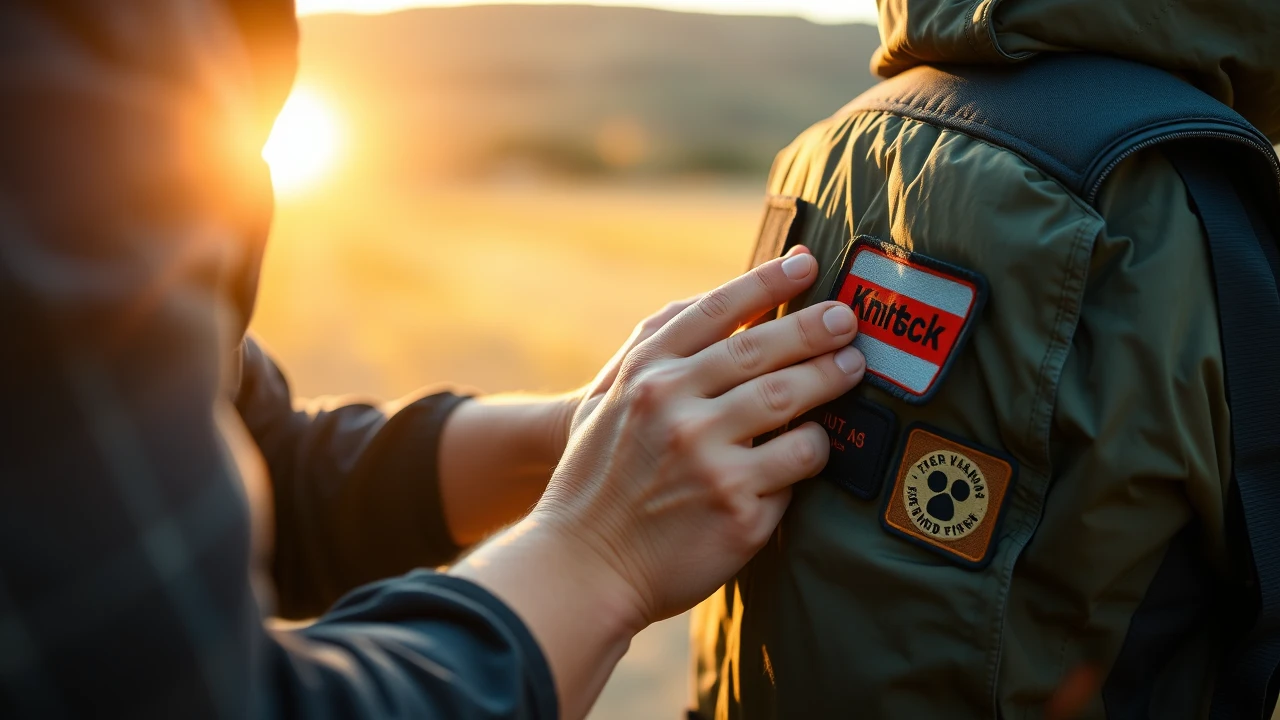
Personalizing your outdoor gear and apparel with fabric patches is a creative and practical way to express your style while enhancing functionality. Whether you’re a seasoned hiker, a beach lover, a traveler, or simply someone who enjoys customizing backpacks and jackets, choosing the right fabric patch can make all the difference. This guide will walk you through the essential factors to consider—materials, application methods, durability, style, and safety features—helping you select the perfect patch for your next outdoor adventure.
Understanding Fabric Patches: More Than Just Decoration
Fabric patches have evolved from simple embellishments to versatile accessories that combine style, expression, and utility. They come in various shapes, sizes, and designs—from vintage-inspired motifs to glow-in-the-dark safety strips—and serve a wide range of purposes. Beyond personalization, patches can protect your gear, increase visibility in low light, or even reinforce worn areas on clothing and bags.
Before diving into selection, it’s important to understand the common types of fabric patches and their characteristics:
- Iron-on patches: Convenient and quick to apply with heat, ideal for fabric surfaces.
- Sew-on patches: Provide the most secure attachment, suitable for heavy-duty or frequently washed gear.
- Peel-and-stick patches: Offer temporary customization with adhesive backing, perfect for short-term use.
- Velcro patches: Enable easy removal and swapping, popular for tactical gear and collectors.
Choosing the Right Material for Outdoor Durability
Outdoor environments demand patches made from durable, weather-resistant materials. Here are common options and their benefits:
Polyester and Embroidered Textiles
Polyester patches with detailed embroidery are popular for their vibrant colors, scratch resistance, and fade-proof qualities. They hold up well against sun exposure and frequent washing, making them perfect for backpacks and jackets.
Vinyl and PVC
Vinyl and PVC patches provide excellent waterproofing and are highly resistant to scratches and tears. These patches often feature reflective or neon finishes, adding a layer of visibility for nighttime activities like camping or biking.
Rubberized and Silicone-Based Patches
These offer flexibility and durability, adapting well to curved surfaces such as wetsuits or surfboards. Their waterproof and UV-resistant properties make them a great choice for water sports enthusiasts.
Eco-Friendly and Hypoallergenic Options
More consumers seek sustainable patches made from recycled materials and non-toxic adhesives. These environmentally responsible choices not only reduce your ecological footprint but also ensure skin-friendly applications for sensitive users.
Selecting the Best Application Method for Your Needs
The way a patch adheres to your gear affects its longevity and ease of use. Consider the following when deciding:
Iron-On: Quick and Reliable
Iron-on patches use heat-activated adhesive, creating a strong bond with fabrics like cotton and polyester. They are easy to apply at home but may not adhere well to synthetic or heavily textured materials. Ideal for casual outdoor apparel and kids’ clothing.
Sew-On: Maximum Durability
Sew-on patches require basic stitching skills but provide the most secure attachment, especially for gear exposed to rough conditions and frequent washing. Perfect for backpacks, hiking pants, and outerwear.
Peel-and-Stick: Temporary and Flexible
These patches utilize adhesive backing that sticks without heat or sewing. While not as durable for long-term use, they allow for quick customization and removal, great for travelers or kids who want to switch designs often.
Velcro: Modular and Functional
Velcro-backed patches attach to corresponding hook-and-loop surfaces, offering the ability to swap patches easily. Commonly used in tactical gear and collectors’ items, they are practical for those who want to adjust patches based on activity or mood.
Prioritizing Durability and Weather Resistance
Outdoor gear faces the elements daily, so patches must withstand sun, rain, wind, and abrasion. Look for these key features:
- UV Resistance: Prevents colors from fading under prolonged sunlight exposure.
- Waterproof Coatings: Keeps patches intact through rain, splashes, and even submersion.
- Scratch and Abrasion Resistance: Ensures patches maintain appearance despite rough handling.
- Fade-Proof Finishes: Retain patch vibrancy after repeated washing and outdoor use.
Choosing patches with these qualities guarantees your customization stays fresh and functional throughout all your adventures.
Enhancing Safety with Reflective and Glow-in-the-Dark Technology
If your outdoor activities include dawn, dusk, or nighttime excursions, consider patches designed to improve visibility:
- Reflective Patches: These bounce light back toward its source, making you more noticeable to drivers, cyclists, and fellow adventurers.
- Glow-in-the-Dark Patches: Charged by sunlight or artificial light, they emit a gentle glow that helps identify your location in low-light environments.
Incorporating these safety features into your gear not only adds style but also peace of mind.
Styling Tips: Integrating Patches with Your Outdoor Gear
Patches offer endless possibilities to personalize and revitalize your belongings. Here are some ideas:
- Backpacks and Duffel Bags: Apply large, colorful patches on front pockets or straps to make your bag uniquely identifiable.
- Jackets and Vests: Layer embroidered or rubberized patches on sleeves or chest areas for an adventurous vibe.
- Surfboards and Water Gear: Use flexible, waterproof patches to add flair and reinforce common wear spots.
- Kids’ Items: Mix peel-and-stick and sew-on patches on hats, lunchboxes, and jackets to encourage creativity and ownership.
Combining different patch types and designs can create a dynamic, personalized look that reflects your personality and lifestyle.
Care and Maintenance for Long-Lasting Customization
To keep your fabric patches looking great through countless outdoor adventures:
- Follow specific application instructions carefully—improper heat or adhesive use can reduce effectiveness.
- When washing patched clothing, turn garments inside out and use gentle cycles to protect patches.
- Avoid harsh chemicals or abrasive scrubbing on patches.
- Store removable patches separately to prevent damage or loss.
Proper care extends the life of your patches and preserves the beauty of your customized gear.
Embracing Sustainability in Your Fabric Patch Choices
Many manufacturers now prioritize eco-conscious practices, producing patches with:
- Recycled or organic fabrics
- Non-toxic, hypoallergenic adhesives
- Biodegradable or recyclable packaging
Choosing sustainable patches aligns your outdoor lifestyle with environmental responsibility, ensuring that your creative expression does not come at the planet’s expense.
Selecting the perfect fabric patch for your outdoor adventures involves balancing style, durability, application method, and safety features. By considering the materials and technologies designed for rugged, all-weather use, you can customize your gear with confidence and flair. Whether you’re hiking through forest trails, catching waves at the beach, or exploring urban landscapes, the right patch can be the finishing touch that makes your adventure uniquely yours.