
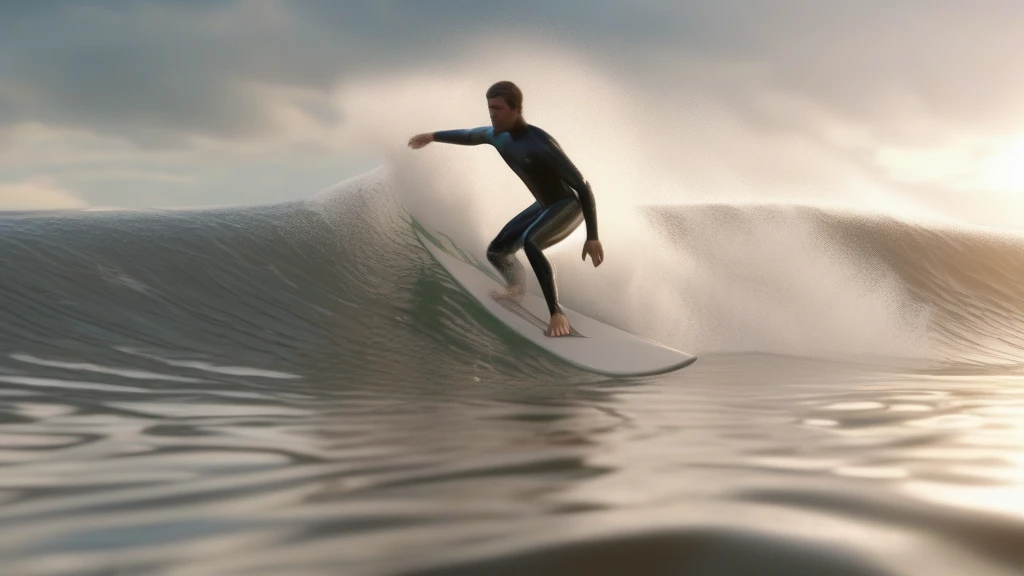
Selecting the right shortboard surfboard is crucial for maximizing your performance and enjoyment in the water. Shortboards are engineered for agility, speed, and precision, making them ideal for surfers looking to execute quick maneuvers and ride short to medium-sized waves with flair. However, the best board for you depends heavily on your skill level, the typical wave conditions you encounter, and your personal surfing style. This guide will help you navigate the key factors involved in choosing the perfect shortboard, ensuring you make an informed decision tailored to your needs.
Understanding Shortboard Surfboards: What Sets Them Apart?
Shortboards typically range from about 5’6” to 6’4” in length, designed for high performance rather than stability or ease of paddling. Their lightweight construction and specialized design elements allow surfers to accelerate rapidly, perform tight turns, and ride steep wave faces with control.
Core Design Elements of Shortboards
- Rocker Profile: The curve of the board from nose to tail influences maneuverability and speed. Profiles can be flat, moderate, continuous, or hybrid, each suited to different wave types and rider preferences.
- Tail Shape: Tail designs such as squash, swallow, bat, round, and pin alter how the board releases water, impacting turning radius and stability.
- Fin Configuration: Common setups include thruster (three fins), quad (four fins), twin, and single fins. Each fin system offers distinct handling characteristics.
- Materials: Modern shortboards use lightweight yet durable materials like epoxy, fiberglass, carbon fiber, and polyurethane foam, often incorporating eco-friendly components.
Matching Your Skill Level to the Right Shortboard
Beginner to Intermediate Surfers
If you are transitioning from a longboard or foam board and developing your freestyle skills, look for shortboards with:
- A slightly longer length (closer to 6’4”) for added stability.
- A moderate rocker profile that balances speed and maneuverability.
- A wider outline and fuller rails to aid in paddling and wave catching.
- Thruster fin setups, which provide balanced control and responsiveness.
These boards help build confidence while enabling progressive skill development without sacrificing too much maneuverability.
Advanced and Competitive Surfers
Experienced surfers demanding precision and high responsiveness should consider:
- Shorter boards (5’6” to 6’0”) that allow for rapid turns and aerial maneuvers.
- Steeper, continuous rocker profiles optimized for steep waves and tight maneuvers.
- Tail shapes like pin or squash that enhance control during aggressive turns.
- Fin configurations tuned to your style—quads for speed and drive, thrusters for stability and control, or even twin fins for looser, skate-like feel.
Advanced surfers often prefer boards made with high-performance materials such as carbon fiber composites for added stiffness and responsiveness.
Selecting a Shortboard Based on Wave Conditions
Small to Medium Waves (2-5 feet)
For mushy or less powerful waves, choose boards with:
- Flatter rockers to maintain speed and glide.
- Wider nose and tail sections for stability.
- Quad fin setups to generate speed and hold through weaker sections.
These features help you maintain momentum and execute maneuvers even when waves lack steepness.
Steep, Hollow, or Fast Waves
In challenging, powerful surf, opt for:
- A pronounced rocker to prevent nose-diving and improve control on steep faces.
- Narrower tails like pin or bat shapes for precise turning.
- Thruster fin systems to maximize control and drive through turns.
These design elements make it easier to handle critical sections and maintain safety.
Fin Systems: How They Impact Performance
Thruster (Three Fins)
The most popular setup, thrusters offer a balance of drive, maneuverability, and stability. They are versatile across many wave types and skill levels, making them a safe choice for many surfers.
Quad (Four Fins)
Quads provide extra speed and hold, especially on small to medium waves. They excel in generating drive down the line and can feel looser during turns, favored by surfers seeking speed.
Twin and Single Fins
Twin fins offer a looser, skate-inspired feel with increased speed but less control in critical turns, suited for mellow waves and stylish surfing. Single fins prioritize smooth, flowing lines but are less common in shortboards designed for aggressive maneuvers.
Materials and Environmental Considerations
Modern shortboards balance weight, durability, and sustainability:
- Epoxy Boards: Lightweight and durable with high impact resistance, epoxy is popular among travelers and performance surfers. Many manufacturers now incorporate bio-based resins and recycled foam cores.
- Fiberglass and Polyurethane Foam: Traditional materials favored for their flex and feel but tend to be heavier. Some brands use plant-based foams or recyclable fiberglass to reduce environmental impact.
- Carbon Fiber: Used selectively for reinforcement, carbon fiber adds stiffness and responsiveness but has a higher ecological footprint.
When choosing a shortboard, consider manufacturers’ sustainability commitments, such as biodegradable coatings, recyclable components, and eco-conscious production methods.
Maintenance Tips for Longevity and Performance
To keep your shortboard in top condition:
- Wax Application: Use the right wax for your water temperature and apply it evenly to maintain grip on the deck.
- Repairs: Address dings and cracks promptly to prevent water damage. Repair kits allow quick fixes on the go.
- Storage and Travel: Use padded board bags for protection during transport. Avoid prolonged exposure to direct sunlight and extreme heat, which can damage materials.
Proper care extends the life of your board and preserves performance.
Safety Features and Certifications
Look for boards that incorporate:
- Anti-slip Decks: Textured surfaces or traction pads enhance footing.
- Reinforced Fins and Edges: Reduce damage from impacts.
- Compliance with Safety Standards: Certifications like ISO, CE, or TÜV indicate adherence to international quality and safety benchmarks.
These features contribute to safer surfing experiences, especially for intermediate riders progressing to more demanding waves.
Conclusion
Choosing the perfect shortboard surfboard requires thoughtful consideration of your skill level, the wave conditions you most frequently encounter, and your personal surfing goals. By understanding key design elements—such as rocker profiles, tail shapes, fin configurations, and materials—you can find a board that enhances your performance while aligning with your values, including environmental responsibility. Proper maintenance and attention to safety features will ensure your board performs reliably as you progress in your surfing journey. Whether you’re an intermediate surfer refining your freestyle tricks or an advanced rider chasing precision and speed, the right shortboard can transform your time on the waves into an exhilarating and fulfilling experience.