
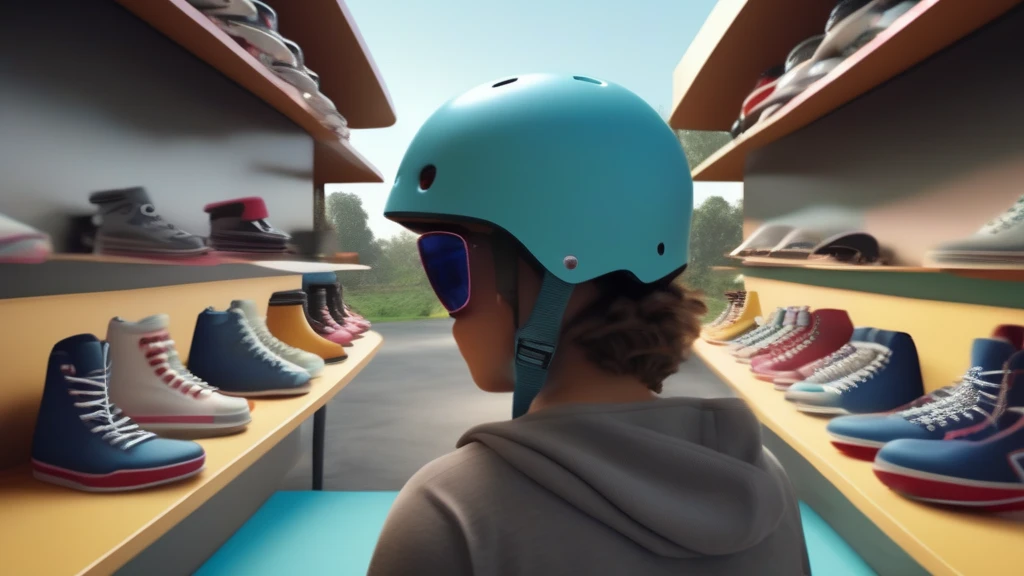
Whether you're cruising at the skate park, hitting the trails on your BMX, or scootering around town, wearing the right helmet is essential to keep your head safe and comfortable. With a wide variety of skate helmets available today, each designed to meet different needs and skill levels, selecting the perfect one can feel overwhelming. This guide will help you navigate the key factors to consider when choosing a skate helmet, ensuring that you find gear that offers reliable protection, optimal comfort, and suits your specific outdoor activity.
Understanding the Role of Skate Helmets in Outdoor Recreation
Skate helmets fall under a versatile category of protective gear made for multiple summer sports—including skateboarding, cycling, scootering, rollerblading, and even kayaking. Unlike sport-specific helmets, many skate helmets are multi-certified and designed to offer dependable impact protection across a range of activities. They are engineered with durable materials and incorporate advanced safety technologies, making them an excellent choice for enthusiasts at all skill levels.
Key Safety Certifications to Look For
When shopping for a skate helmet, one of the most important considerations is whether it meets recognized safety standards. Certifications ensure that the helmet has been tested for impact resistance, retention system strength, and coverage. Some of the most common certifications include:
- CPSC (Consumer Product Safety Commission): Mandatory for bicycle helmets sold in the U.S., this certification ensures basic impact protection and durability.
- ASTM F1492: A standard specifically for skateboarding helmets, focusing on protection against multiple impacts and rotational forces.
- CE EN 1078: A European standard for helmets used in cycling and skateboarding, evaluating shock absorption and strap system effectiveness.
- ISO and TÜV: International certifications that often indicate rigorous testing for quality and safety.
Choosing a helmet certified for the sport you practice ensures you get the level of protection best suited for the specific risks involved.
Matching Helmet Types to Your Sport and Skill Level
Beginner and Youth Riders
For children and beginners, particularly those using scooters or learning to skateboard, helmets with a focus on comfort, adjustability, and fit customization are critical. Youth models often feature multi-size fitting pads and adjustable dial systems to accommodate growing heads. Lightweight construction and ample ventilation (usually 10-15 vents) help keep young riders comfortable during active play. Look for helmets with quick-release buckles and sweat-wicking liners to enhance ease of use and hygiene.
Intermediate and Enthusiast Riders
More experienced riders engaging in BMX, rollerblading, or frequent skateboarding sessions benefit from helmets that combine durability with advanced safety features. Polycarbonate shells reinforced with carbon fiber or ABS plastic provide enhanced impact resistance. Helmets with integrated Multi-directional Impact Protection System (MIPS) technology offer superior protection against rotational forces—a common cause of brain injuries in falls. Adjustable ventilation systems that allow airflow customization can improve comfort during longer or more intense activity periods.
Professional and Multi-Sport Athletes
For professionals or those involved in multiple outdoor sports, selecting helmets certified for various activities is essential. These helmets prioritize both safety and versatility, featuring robust EPS foam liners for impact absorption, ergonomic designs for all-day wear, and enhanced ventilation suited for high-intensity use. Some models offer foldable designs or included carry bags for portability, making them convenient for athletes on the move.
How to Achieve the Perfect Helmet Fit
A helmet’s effectiveness depends heavily on how well it fits. Regardless of your skill level or sport, a poorly fitting helmet can compromise safety. Here’s how to ensure a secure and comfortable fit:
- Measure Your Head: Use a flexible tape measure around the widest part of your head, typically just above the eyebrows.
- Check Sizing Charts: Match your measurement to the helmet’s size chart, keeping in mind that sizes can vary by manufacturer.
- Adjust Fit Pads and Dial Systems: Use removable padding and rear adjustment dials to fine-tune the helmet’s snugness.
- Strap Positioning: The side straps should form a “V” just below your ears, and the chin strap should be snug but allow you to open your mouth comfortably.
- Perform a Fit Test: Shake your head gently— the helmet should stay in place without excessive movement.
Proper fit maximizes protection and comfort, encouraging consistent helmet use.
Ventilation and Comfort Features Explained
Summer sports demand gear that keeps you cool and dry. Skate helmets today generally feature between 10 to 15 strategically placed vents to optimize airflow. Some helmets even offer adjustable vents you can open or close depending on weather and activity level. Lightweight designs (usually between 200-300 grams) reduce neck strain during prolonged use.
Additionally, sweat-wicking liners made from breathable, antimicrobial materials improve hygiene and comfort. Reflective elements on helmets enhance visibility in low-light conditions, contributing to overall safety.
Maintenance, Care, and Helmet Lifespan
To ensure your helmet continues to protect you effectively:
- Inspect Regularly: Check for cracks, dents, or damaged straps.
- Clean Gently: Use mild soap and water; avoid harsh chemicals that can degrade materials.
- Store Properly: Keep your helmet in a cool, dry place away from direct sunlight.
- Replace After Impact: Even if there’s no visible damage, replace helmets after a significant fall or collision.
- Follow Manufacturer Guidelines: Most helmets have a recommended lifespan of 3-5 years due to material fatigue.
Maintaining your helmet extends its usability and maintains safety standards.
Sustainability Trends in Skate Helmet Manufacturing
Environmental awareness is influencing helmet design and production. Some manufacturers now incorporate eco-friendly materials such as biodegradable coatings, recycled plastics, and low carbon footprint manufacturing processes. Recyclable helmet components and packaging further reduce environmental impact.
Choosing sustainable helmets supports eco-conscious practices and encourages innovation in sports safety equipment.
Expressing Style and Enhancing Visibility
While safety is paramount, style remains important for many riders. Skate helmets come in a variety of colors and designs, allowing users to express personal identity while boosting visibility. Bright colors or reflective accents can make you more noticeable to others, improving safety in urban environments or low-light conditions.
Conclusion
Selecting the perfect skate helmet involves balancing safety certifications, sport-specific features, proper fit, and comfort tailored to your skill level. Whether you’re a beginner, an enthusiastic weekend rider, or a seasoned professional, understanding the materials, technologies, and design elements behind skate helmets empowers you to choose gear that not only protects but enhances your outdoor experience. Remember to maintain your helmet well and consider sustainability factors to make responsible choices that benefit both you and the planet. Staying informed is the first step toward safer, more enjoyable skating and outdoor recreation.