
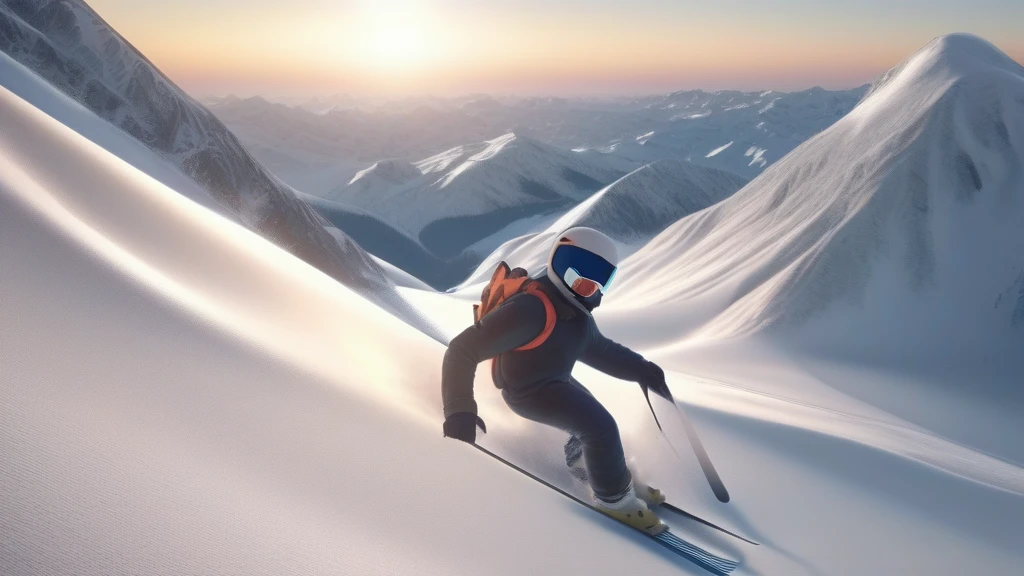
When it comes to winter sports like skiing and snowboarding, safety should always be a top priority. A high-quality helmet is an essential piece of gear that not only protects your head but also enhances comfort and performance on the slopes. However, with a variety of helmets available—each tailored to different skill levels, sports, and environmental conditions—choosing the right one can feel overwhelming.
This guide will help you navigate the key factors to consider when selecting the perfect ski or snowboard helmet. From understanding safety certifications and impact technologies to evaluating fit, ventilation, and sport-specific features, you'll gain insights to make an informed choice that suits your needs and elevates your winter adventures.
Understanding Helmet Safety and Certifications
Why Safety Certifications Matter
The primary purpose of any helmet is to protect your head from impacts during falls or collisions. To ensure helmets meet rigorous safety standards, they undergo testing based on internationally recognized certification systems. Common certifications for ski and snowboard helmets include:
- CE EN 1077: A European standard focusing on impact protection and penetration resistance.
- ASTM F2040: A widely recognized North American standard for alpine skiing and snowboarding helmets.
- ISO Standards: International standards that also address safety and performance requirements.
When shopping, look for helmets labeled with one or more of these certifications. They guarantee that the helmet has passed tests simulating realistic crash scenarios and provides reliable protection.
The Role of MIPS and Other Impact Technologies
Modern helmets often incorporate advanced impact mitigation technologies to reduce rotational forces on the brain during angled impacts—a common cause of concussion. One leading technology is MIPS (Multi-directional Impact Protection System), which features a low-friction layer allowing slight movement between the helmet shell and the head.
Other helmets may use multi-impact EPS foam liners that can absorb multiple impacts without compromising safety. Understanding these technologies helps you select a helmet that offers enhanced protection tailored to various crash dynamics.
Matching Helmets to Your Winter Sport and Skill Level
Alpine Skiing and Snowboarding
For alpine skiing and snowboarding, helmets prioritize a balance of lightweight construction, ventilation, and compatibility with goggles. Intermediate and advanced users often prefer helmets with adjustable vents to regulate airflow during different activity intensities and weather conditions.
Beginners might opt for helmets with more padding and a comfortable fit to build confidence. Helmets designed specifically for freestyle snowboarding may feature added shock absorption and durable outer shells to withstand park tricks and jumps.
Backcountry and Ice Climbing
Backcountry adventurers and ice climbers face unique challenges, including exposure to rugged terrain and variable temperatures. Helmets for these activities emphasize durability and multi-impact capability, often constructed with carbon fiber or hybrid composites for strength without excess weight.
Enhanced ventilation systems that can be closed off help maintain warmth, while compatibility with headlamps and communication devices is crucial for safety and coordination in remote areas.
Snowmobiling and Winter Hiking
Snowmobilers require helmets that protect against high-speed impacts and cold wind. These helmets tend to have full-face designs or integrated visors and feature quick-release chin straps for emergency situations.
Winter hikers benefit from helmets that are lightweight and breathable, with removable liners and ear pads to adapt to changing weather conditions.
Fit and Comfort: The Cornerstones of Prolonged Use
Adjustable Fit Systems
A helmet’s fit directly affects both safety and comfort. Look for helmets equipped with adjustable fit systems such as dial-fit mechanisms or interchangeable padding. These allow precise customization to your head shape, preventing movement during activity and reducing pressure points.
Ventilation and Temperature Control
Cold weather can quickly turn uncomfortable if your helmet doesn’t breathe well. Many helmets include multiple vents with removable covers or adjustable openings, enabling you to manage airflow and prevent overheating or excessive sweating.
Anti-fog airflow designs also help maintain clear vision when wearing goggles, a vital feature for safety.
Comfort Liners and Ear Pads
Soft, moisture-wicking liners enhance comfort during extended use by keeping your head dry and warm. Detachable ear pads offer versatility—you can remove them on warmer days or replace them if they wear out.
Ergonomic helmet shapes that accommodate various hairstyles and head shapes reduce distractions so you can focus on your performance.
Material Innovations: Balancing Protection, Weight, and Sustainability
Lightweight yet Durable Shells
Helmet shells are commonly made from materials such as polycarbonate, ABS plastic, carbon fiber, or hybrid composites. Carbon fiber helmets tend to be lighter and stronger but are often more expensive, while polycarbonate and ABS provide reliable protection at accessible price points.
Choosing the right material depends on your priorities—whether you value lightweight gear for agility or ruggedness for demanding terrain.
Eco-Friendly Manufacturing and Recyclability
Sustainability is an important consideration for many winter sports enthusiasts. Some helmet manufacturers utilize eco-conscious production methods, including low-carbon manufacturing processes and recyclable components.
Selecting helmets made with environmentally responsible materials helps reduce your carbon footprint and supports a greener outdoor culture.
Accessory Compatibility: Enhancing Your Helmet’s Functionality
Goggles Integration
Seamless integration with goggles is essential for comfort and performance. Features like magnetic goggle holders, clip systems, or over-the-helmet goggle compatibility ensure your goggles stay secure and aligned, minimizing gaps that let in cold air or snow.
Communication Devices and Headlamps
For group skiing, backcountry expeditions, or night activities, helmets that accommodate communication devices or headlamps add valuable functionality. Look for models with built-in mounts or designated attachment points that don’t interfere with fit or safety.
Maintenance Tips to Extend Helmet Lifespan
Proper care extends the protective qualities and comfort of your helmet:
- Regularly inspect for cracks, dents, or damaged foam liners.
- Clean the shell and liners with mild soap and water; avoid harsh chemicals.
- Store your helmet in a cool, dry place away from direct sunlight.
- Replace helmets after any significant impact or according to manufacturer guidelines—typically every 3-5 years.
Maintaining your helmet ensures it continues to provide optimal safety and comfort season after season.
Conclusion
Choosing the perfect ski or snowboard helmet involves more than picking the most stylish design. By understanding safety certifications, exploring impact technologies like MIPS, matching helmet features to your specific winter sport and skill level, and prioritizing fit, ventilation, and sustainability, you can find a helmet that protects you and enhances your experience on the slopes.
Investing time to select the right helmet means greater confidence, comfort, and peace of mind—allowing you to focus on the thrill and joy of winter sports while staying safe.