
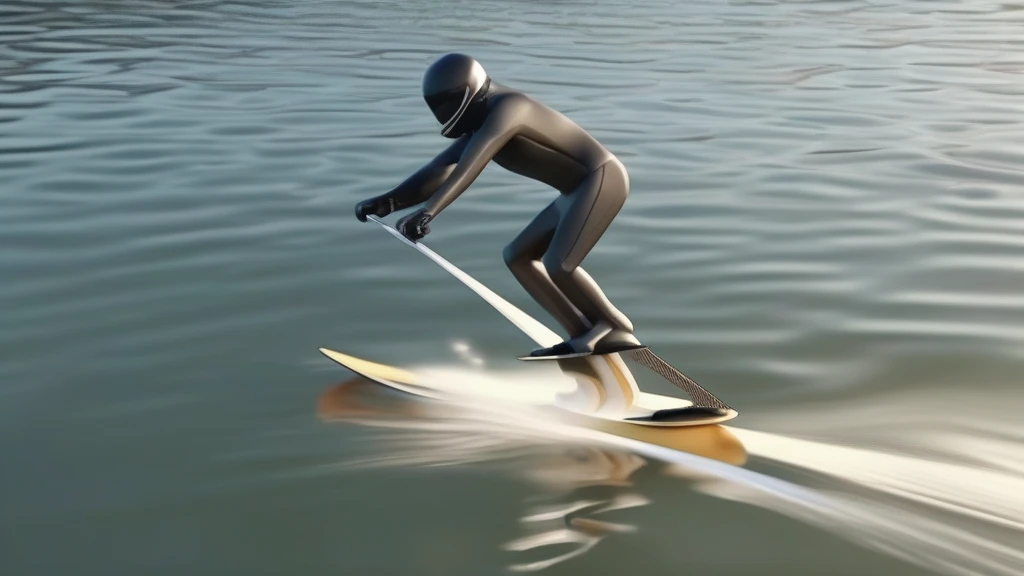
Trick water skiing is an exhilarating sport that combines agility, balance, and creativity on the water. Whether you're just starting out or aiming to land more advanced spins and flips, selecting the right pair of trick water skis is essential to your progress and enjoyment. With a variety of designs, materials, and features available, making an informed choice can feel overwhelming. This guide breaks down everything you need to know to choose the perfect trick water skis tailored to your skill level and goals.
Understanding Trick Water Skis: What Sets Them Apart?
Trick water skis are specialized for performing freestyle maneuvers on water, such as spins, jumps, and flips. Unlike traditional water skis designed mainly for straight-line speed and stability, trick skis emphasize control, responsiveness, and lightweight construction to facilitate quick directional changes and aerial tricks.
Key Characteristics of Trick Water Skis
- Compact Size: Typically ranging from 40 to 48 inches in length, their smaller surface area helps with maneuverability.
- Lightweight Materials: Use of carbon fiber, Kevlar, fiberglass, and aluminum keeps skis both strong and light.
- Adjustable Features: Detachable fins and customizable bindings allow skiers to tailor performance and fit.
- Safety Enhancements: Anti-slip bindings, quick-release systems, and rounded edges minimize injury risk during high-impact tricks.
- Portability: Many models include foldable designs and carry bags for easy transport and storage.
Understanding these features will help you assess what matters most based on your experience and skiing style.
Choosing Trick Water Skis Based on Skill Level
Your proficiency greatly influences the type of trick skis that will best suit your needs. Let’s explore what beginners, intermediate enthusiasts, and advanced skiers should look for.
Beginner-Friendly Trick Skis
If you’re new to trick water skiing, prioritize stability and ease of use to build confidence:
- Larger Surface Area: Slightly longer and wider skis provide better balance.
- Fixed or Adjustable Fins: Fixed fins offer consistent tracking, ideal for learning basic maneuvers.
- Open-Toe Bindings: Easier to get in and out of, aiding quick adjustments.
- Durable Construction: Fiberglass or composite materials that tolerate beginner bumps.
- Safety Features: Look for anti-slip surfaces and quick-release bindings to reduce injury risk.
A beginner ski that emphasizes stability and comfort helps you focus on mastering fundamental tricks without fighting overly sensitive equipment.
Intermediate and Recreational Skiers
As you progress, you’ll want skis that enhance agility and allow experimentation with more complex moves:
- Adjustable or Detachable Fins: Customize fin placement and size to refine turning and spin control.
- Mixed Materials: Incorporation of carbon fiber or Kevlar for improved strength-to-weight ratio.
- Closed-Toe or Adjustable Bindings: Provide better foot security during sharper maneuvers.
- Moderate Length and Width: Balanced dimensions for both stability and responsiveness.
- Portability Features: Compact and foldable designs support frequent travel to ski locations.
These features help intermediate skiers find the sweet spot between stability and performance.
Advanced and Competitive Trick Skis
For pros and competitors, precision and customization are paramount:
- High-Tech Materials: Lightweight carbon fiber and Kevlar composites for maximum durability and minimal weight.
- Fully Adjustable Fin Systems: Enables fine-tuning of edge control for spins, flips, and other freestyle tricks.
- Custom-Fit Bindings: Ergonomic designs with closed or fixed toes for enhanced control.
- Durability Against High Impact: Reinforced edges and weather-resistant coatings withstand rigorous use.
- Compact and Lightweight Design: Facilitates quick on-water responsiveness and easy transport.
These skis are engineered to maximize trick execution, offering the best blend of control, comfort, and longevity.
Material Technologies: What’s Right for You?
The construction materials influence weight, flexibility, durability, and price. Here’s a quick overview:
- Carbon Fiber: Extremely lightweight and rigid, ideal for high performance. Offers superior energy transfer for quick tricks but usually comes at a higher cost.
- Kevlar Reinforcement: Adds impact resistance and strength without much weight, often combined with fiberglass.
- Fiberglass: More affordable, provides good durability and moderate flexibility—great for beginners and intermediates.
- Aluminum Components: Typically used in fin mounts or bindings for strength and corrosion resistance.
Choosing the right material depends on your budget, skill, and how intensely you plan to use your skis.
Fin Systems and Their Impact on Performance
Fins play a crucial role in stability and maneuverability during tricks.
- Fixed Fins: Simple and reliable; good for beginners to learn straight-line control.
- Adjustable Fins: Allow skiers to tweak angle, depth, and position, improving turning radius and spin initiation.
- Detachable Fins: Offer versatility by swapping fins for different water conditions or trick styles.
- No-Fin Skis: Some advanced skiers prefer minimal fins to enable faster spins and slides.
Experimenting with fin setups can dramatically improve your trick repertoire as your skills grow.
Bindings: Comfort, Control, and Safety
Bindings secure your feet and impact both comfort and performance.
- Open-Toe Bindings: Easier to enter and exit; preferred by beginners or casual skiers.
- Closed-Toe Bindings: Provide better foot retention for aggressive maneuvers.
- Fixed Bindings: Offer a stable connection, enhancing control but requiring a perfect fit.
- Adjustable Bindings: Accommodate different foot sizes and preferences, adding versatility.
Additionally, look for bindings with anti-slip surfaces and quick-release mechanisms to minimize injury risk.
Eco-Friendly Innovations in Trick Water Skis
Sustainability is increasingly important in outdoor sports gear. Some manufacturers incorporate:
- Biodegradable Coatings: Reduce environmental impact without sacrificing durability.
- Recyclable Components: Facilitate responsible disposal or repurposing.
- Sustainable Production Methods: Lower carbon footprint during manufacturing.
For environmentally conscious skiers, choosing eco-friendly skis aligns your passion with planet-friendly practices.
Maintenance Tips to Extend Your Skis’ Lifespan
Proper care ensures your trick skis perform well season after season:
- Rinse After Use: Freshwater rinse removes salt, dirt, and debris.
- Inspect Regularly: Check bindings, fins, and edges for wear or damage.
- Store Properly: Keep skis in a cool, dry place away from direct sunlight.
- Use Protective Bags: Prevent scratches and UV damage during transport.
- Adjust and Tighten: Periodically check fin and binding screws for security.
Routine maintenance not only preserves performance but enhances safety.
Final Thoughts: Matching Skis to Your Water Skiing Journey
Choosing the perfect trick water skis boils down to understanding your current skill level, preferred style, and long-term goals. Beginners should focus on stability and comfort, while intermediate skiers can explore customization and responsiveness. Advanced users benefit from cutting-edge materials and adjustable features that maximize trick execution.
By considering factors like construction material, fin configuration, binding type, and eco-friendly attributes, you can select skis that support your development and passion for the sport. Coupled with proper care and practice, the right pair of trick water skis will be your trusted partner on the journey to mastering freestyle water skiing.