
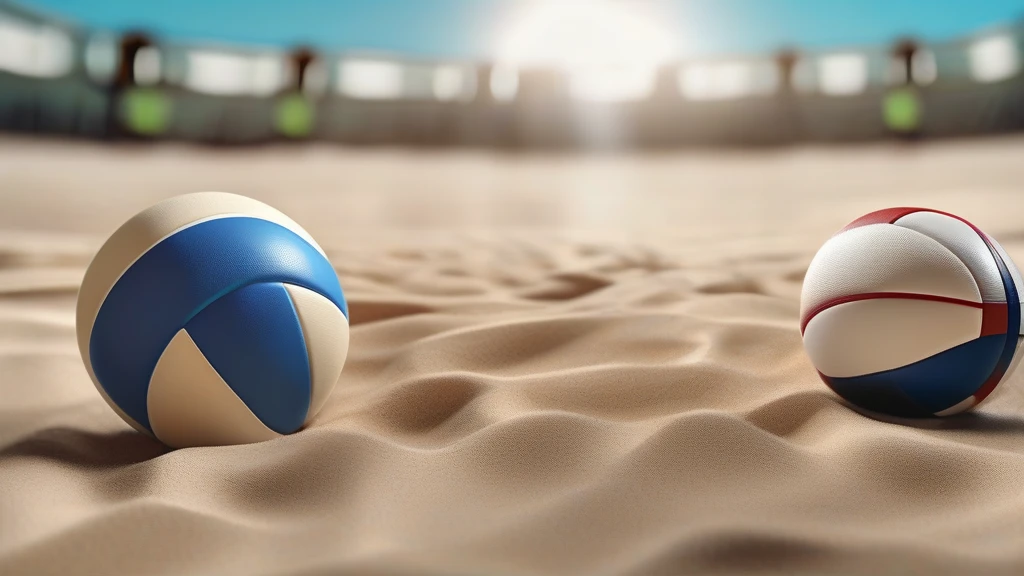
Volleyball is a dynamic sport enjoyed by millions worldwide across a variety of environments—from indoor courts to sandy beaches and versatile multi-surface settings. Selecting the right volleyball tailored to your playing conditions and skill level can significantly enhance your performance and enjoyment. In this guide, we’ll explore the key factors to consider when choosing a volleyball for indoor, beach, or multi-surface play, helping you make an informed decision based on materials, design features, certifications, and more.
Understanding Volleyball Types by Playing Environment
Volleyballs designed for different environments vary in materials, construction, and performance characteristics. Recognizing these differences is the first step in selecting the perfect ball for your needs.
Indoor Volleyballs
Indoor volleyballs are typically made from composite or synthetic leather, offering a smooth, consistent surface that supports fast-paced play. These balls often feature reinforced stitching and high-tension panels to withstand the rigors of indoor court matches. A high air retention bladder (usually butyl) ensures consistent pressure, bounce, and flight trajectory, critical for competitive play.
Key features of indoor volleyballs:
- Smooth, durable surface with a soft touch
- High air retention for consistent bounce
- Regulation size and weight, certified by organizations like NCAA or FIVB
- Suitable for hardwood or synthetic indoor courts
Beach Volleyballs
Beach volleyballs differ notably in texture and durability. They are constructed to resist moisture, sand abrasion, and UV rays, often made from waterproof, UV-resistant synthetic materials or specialized rubber compounds. These balls are slightly larger and lighter than indoor balls to accommodate outdoor wind conditions and provide better control on the sand.
Key features of beach volleyballs:
- Waterproof and UV-resistant materials
- Textured or anti-slip surfaces for enhanced grip in sandy, wet conditions
- Slightly larger circumference and lighter weight for outdoor play
- Reinforced seams to endure exposure to sun and salt
Multi-Surface Volleyballs
Multi-surface volleyballs are versatile balls designed for use on various surfaces such as grass, hard courts, and even sand. These balls blend characteristics from indoor and beach volleyballs, featuring durable outer layers and moderate water resistance. Ideal for recreational play and training across different locations, multi-surface balls balance grip, durability, and weather resistance.
Key features of multi-surface volleyballs:
- Durable composite or synthetic leather with textured surfaces
- Moderate water and abrasion resistance
- Suitable for grass, outdoor courts, and occasional sand play
- Often available in training sizes and adjustable pressure options
Material Matters: Choosing the Right Construction
The construction material impacts the ball’s feel, durability, and performance. Understanding material options helps you select a volleyball suited to your playing style and environment.
Composite and Synthetic Leather
These materials dominate indoor volleyballs, providing a soft touch and consistent ball control. Composite leather offers excellent durability and moisture resistance, while synthetic leather mimics the feel of genuine leather without the maintenance concerns.
Microfiber and Rubber
Beach volleyballs often use microfiber or rubberized surfaces for enhanced grip and weather resistance. Microfiber is lightweight and flexible, while rubber surfaces provide excellent traction and durability against sand and moisture.
Eco-Friendly Materials
Increasingly, volleyball manufacturers incorporate eco-conscious materials such as recyclable plastics and non-toxic coatings. Choosing volleyballs made with sustainable components supports environmental responsibility without compromising quality.
Performance Features: Air Retention, Grip, and Durability
Beyond materials, several technical features influence playability and longevity.
Air Retention Technology
A high-quality bladder, typically made of butyl or latex, ensures the ball maintains consistent pressure and bounce. Butyl bladders are known for superior air retention, reducing the need for frequent inflation—an important consideration for maintaining optimal performance over time.
Grip and Surface Texture
The ball’s surface texture directly affects player control. Indoor balls usually have a smooth yet slightly grippy finish, while beach balls incorporate textured patterns or anti-slip coatings to prevent slipping in wet or sandy conditions.
Reinforced Stitching and Panel Design
Durability is critical, especially for outdoor volleyballs exposed to harsh conditions. Reinforced seams and innovative panel designs (such as high-tension panels) enhance structural integrity, helping the ball maintain shape and performance after extended use.
Certification Standards: Ensuring Quality and Regulation Compliance
For serious athletes and tournament play, selecting balls that meet official standards is essential.
- FIVB (Fédération Internationale de Volleyball) certification guarantees compliance with international match regulations.
- NCAA approved balls meet collegiate competition standards.
- TÜV, ISO, and CE certifications indicate rigorous safety and quality testing.
Using certified volleyballs ensures consistency in size, weight, rebound, and overall performance.
Tailoring Your Choice by Skill Level and Training Needs
Not all volleyballs are created equal when it comes to training and skill development.
Training Volleyballs with Adjustable Features
Some volleyballs offer adjustable pressure settings or come in training sizes smaller or lighter than regulation balls. These features are ideal for beginners or players focusing on technique refinement, allowing customization of ball responsiveness and impact.
Impact-Resistant and Lightweight Options
For extended practice sessions, impact-resistant balls reduce stress on the hands and wrists, while lightweight models help improve control and endurance without fatigue.
Caring for Your Volleyball: Maintenance Tips to Extend Lifespan
Proper care enhances a volleyball’s durability and performance.
- Regular Inflation: Use a compatible pump and gauge to maintain recommended pressure. Avoid overinflation that can damage seams.
- Cleaning: Wipe the ball with a damp cloth after play, especially if used on sand or outdoor courts, to remove dirt and debris.
- Storage: Store volleyballs in a cool, dry place away from direct sunlight to prevent material degradation.
- Repair Kits: Keep patch kits handy for minor seam or surface repairs to prolong usability.
Summary: Matching the Volleyball to Your Play Style and Environment
Choosing the perfect volleyball depends on understanding your playing environment, skill level, and specific performance needs:
| Environment | Material & Features | Key Considerations |
|---|---|---|
| Indoor | Composite/synthetic leather, smooth surface | Consistent bounce, certified size |
| Beach | Waterproof, UV-resistant, textured surface | Grip on sand, weather durability |
| Multi-Surface | Durable composite with moderate water resistance | Versatility for grass, hard courts |
By focusing on quality materials, reliable air retention, grip-enhancing textures, and certification standards, you can select a volleyball that elevates your game—whether competing in official tournaments, training rigorously, or enjoying recreational play.
With this knowledge, you’re well-equipped to make an informed choice and enjoy volleyball at its best, no matter where your passion takes you.