
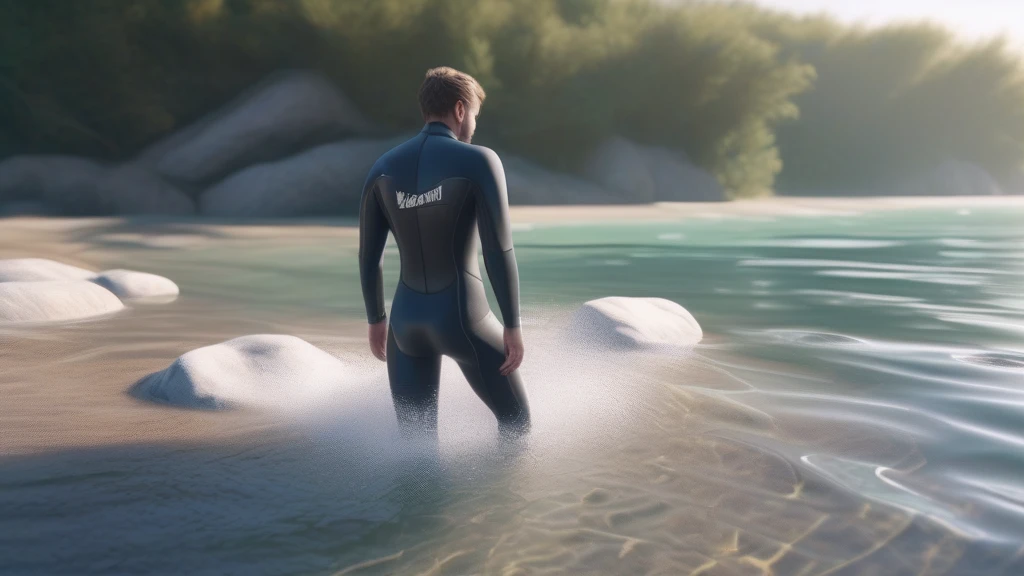
Selecting the right wetsuit is essential for maximizing comfort, safety, and performance during water activities. Whether you're surfing, paddleboarding, kayaking, or training for a triathlon, the ideal wetsuit depends largely on the water temperature, your specific sport, and your personal needs. This guide will help you navigate the key factors involved in choosing a wetsuit that fits your activity and environment, while also considering the latest advances in sustainable materials and ergonomic design.
Understanding Wetsuit Basics: Material and Construction
Before diving into temperature and sport-specific recommendations, it's helpful to understand what makes modern wetsuits effective.
Neoprene Types and Sustainability
Most wetsuits are made from neoprene, a synthetic rubber that provides insulation by trapping a thin layer of water between your skin and the suit. Today’s wetsuits often use eco-friendly neoprene options such as limestone-based or recyclable neoprene. These alternatives reduce environmental impact by lowering carbon emissions during production and enabling better end-of-life recycling.
Key Features for Comfort and Durability
- Thickness: Wetsuits range from 2mm to 7mm in thickness. Thicker suits offer more thermal protection but less flexibility.
- Seam Construction: Blindstitched and taped seams reduce water entry and enhance durability.
- Ergonomic Paneling: Multi-directional stretch fabrics and ergonomic cuts improve fit and freedom of movement.
- Additional Enhancements: UV resistance, windproof and waterproof panels, abrasion resistance, and quick-dry materials increase comfort and longevity.
Choosing a Wetsuit Based on Water Temperature
Water temperature is the primary factor in determining the thickness and style of your wetsuit. Using the right thickness ensures you stay warm without overheating or restricting movement.
| Water Temperature (°F) | Recommended Wetsuit Type | Thickness | Notes |
|---|---|---|---|
| 70°F and above | Shorty wetsuit or sleeveless | 2mm - 3mm | Ideal for warm water; maximum flexibility |
| 65°F - 70°F | Full wetsuit or shorty suit | 3mm - 4mm | Mildly cool water; balance warmth & mobility |
| 55°F - 65°F | Full wetsuit | 4mm - 5mm | Cooler water; prioritize insulation |
| 45°F - 55°F | Full wetsuit with hood, gloves, boots | 5mm - 7mm | Cold water; maximize thermal protection |
| Below 45°F | Dry suit or heavy wetsuit | 7mm+ or drysuit | Freezing conditions; best for extended exposure |
Tips for Temperature-Based Selection
- Consider Activity Level: High-exertion activities generate more body heat and may allow for thinner suits even in colder water.
- Layering Options: In cold water, pairing a thicker wetsuit with accessories like gloves and hoods can provide customizable warmth.
- Seasonal Changes: For destinations with fluctuating temperatures, look for wetsuits that balance warmth and flexibility or consider multiple suits for different conditions.
Selecting a Wetsuit for Your Water Sport
Different water sports have distinct demands that influence wetsuit choice. Let’s explore how activity type affects wetsuit features and design.
Surfing
Surfing wetsuits prioritize flexibility and durability to withstand dynamic movements and board contact.
- Recommended Thickness: 3mm to 5mm depending on water temperature.
- Design Features: Reinforced knee pads, ergonomic cuts for paddling, and quick-dry linings.
- Style Notes: Shorty suits work well in warm conditions; full suits with sealed seams are better for colder waters.
Paddleboarding
Paddleboarding requires a wetsuit that offers mobility, breathability, and protection from sun and wind.
- Recommended Thickness: 2mm to 4mm.
- Design Features: Sleeveless or short-sleeve suits for freedom of arm movement, windproof panels on the chest, and UV resistance.
- Additional Considerations: Lightweight and quick-drying materials enhance comfort during long sessions.
Kayaking and Canoeing
These sports often expose you to wind and splashing water, so insulation and windproofing are crucial.
- Recommended Thickness: 3mm to 5mm.
- Design Features: Windproof panels on the torso, abrasion-resistant materials, and snug neck and wrist seals to minimize water entry.
- Practical Add-ons: High-visibility panels improve safety, especially in low-light conditions.
Diving and Snorkeling
Thermal protection and water tightness are paramount for extended underwater exposure.
- Recommended Thickness: 5mm to 7mm or more, depending on depth and water temperature.
- Design Features: Full coverage suits with sealed seams, smoothskin panels for wind resistance on the surface, and reinforced soles.
- Special Notes: Some wetsuits include integrated hoods and gloves for cold-water diving.
Triathlon and Open Water Swimming
Speed and hydrodynamics take precedence in these activities.
- Recommended Thickness: 2mm to 3mm.
- Design Features: Sleeveless or minimal panel suits to maximize shoulder mobility, smooth outer coatings to reduce drag, and buoyancy-enhancing neoprene placement.
- Additional Features: Quick drying and lightweight construction to facilitate rapid transitions.
Fit and Gender-Specific Considerations
Wetsuit fit strongly impacts performance and comfort. Most brands offer gender-specific suits tailored to anatomical differences, such as torso length and hip width, ensuring a snug but comfortable fit.
- Snug Fit: The wetsuit should feel like a second skin without restricting breathing or movement.
- Try Before You Buy: When possible, try on suits to evaluate fit, paying attention to neck, wrist, and ankle seals.
- Adjustable Features: Some suits come with adjustable zippers or closures to customize fit and reduce water entry.
Additional Features to Consider
Safety Enhancements
- High-Visibility Panels: Bright colors improve visibility in crowded or low-light environments.
- Emergency Whistles: Integrated whistles provide an added layer of safety during solo excursions.
- Anti-Slip Surfaces: These help maintain grip on boards or kayak seats.
Convenience and Care
- Quick-Dry Materials: Reduce time between uses and prevent odor buildup.
- Portable and Lightweight: Ideal for travelers and those with limited storage.
- Included Accessories: Carry bags, repair kits, and hangers help with maintenance and longevity.
Caring for Your Wetsuit to Extend Its Lifespan
Proper care is essential to protect your investment and maintain performance.
- Rinse After Use: Always rinse with fresh water to remove salt, sand, and chlorine.
- Dry Properly: Hang inside out in the shade to avoid UV damage.
- Store Flat or Hanging: Avoid folding to prevent creases and material breakdown.
- Repair Promptly: Use repair patches for small tears or seam damage.
Conclusion
Choosing the perfect wetsuit involves balancing water temperature, activity demands, fit, and sustainability. Understanding the thermal properties of wetsuit thickness, combined with sport-specific design features, ensures you stay comfortable and protected in the water. Advances in eco-friendly neoprene and thoughtful construction not only enhance performance but also reduce environmental impact, supporting responsible outdoor recreation.
By carefully considering these factors, you can select a wetsuit that meets your needs, improves your water sport experience, and aligns with your values as an active, environmentally conscious enthusiast.