
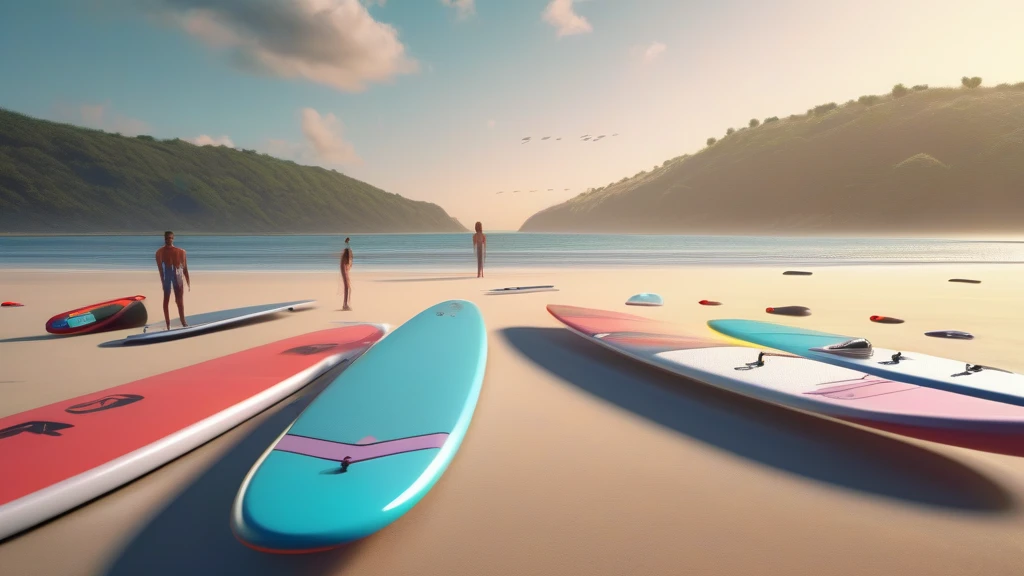
Selecting the ideal paddleboard length and size is a critical step toward enjoying your time on the water, whether you’re a beginner, a fitness enthusiast, or an experienced paddler. Paddleboards vary widely in dimensions and design, tailored to different activities such as recreational paddling, touring, fishing, yoga, and racing. Getting the sizing right can enhance stability, maneuverability, and overall performance, ensuring a comfortable and safe experience.
In this guide, we’ll explore how to choose the right paddleboard length and size by considering key factors like your height, weight, skill level, and intended activity. We’ll also dive into how different board materials, hull shapes, and fin setups influence sizing choices, providing you with actionable insights to make an informed decision.
Understanding Paddleboard Dimensions: Length, Width, and Thickness
Before diving into how your personal attributes affect paddleboard selection, it's essential to understand the basic dimensions that define a paddleboard's size:
- Length: Typically ranges from 8 to 14 feet. Longer boards are faster and track better, while shorter boards are more maneuverable.
- Width: Commonly between 28 and 34 inches. Wider boards offer increased stability, ideal for beginners or yoga practitioners.
- Thickness: Usually between 4 to 6 inches. Thicker boards provide more buoyancy to support heavier riders or extra gear.
Together, these dimensions impact volume and weight capacity, which are crucial for stability and performance.
Matching Paddleboard Length and Size to Your Height and Weight
Height Considerations
Your height influences the recommended paddle length rather than the board length directly, but it also plays a role in board stability and control:
- Shorter Paddlers (under 5’4”): Benefit from shorter boards (around 9' to 10') which are easier to control and turn.
- Average Height (5’4” to 6’0”): Versatile board lengths from 10’ to 11’6” suit most users, balancing speed and stability.
- Taller Paddlers (over 6’0”): Often prefer longer boards (11’6” and above) for better glide and tracking.
Weight and Volume
Board volume, measured in liters, correlates with weight capacity. Heavier paddlers require boards with greater volume to maintain buoyancy and stability.
| Rider Weight | Recommended Board Volume (Liters) | Suggested Board Length |
|---|---|---|
| Under 150 lbs | 150-200 L | 9' to 10' |
| 150-200 lbs | 200-250 L | 10' to 11'6" |
| Over 200 lbs | 250+ L | 11'6" and above |
Inflatable paddleboards made from durable drop-stitch fabric often come with weight capacities clearly indicated, making it easier to select a board that suits your size.
Selecting Paddleboard Size Based on Activity Type
1. Recreational and Beginner Paddleboards
Beginners and casual paddlers prioritize stability and ease of use. Boards designed for recreation usually have:
- Length: 10’ to 11’6”
- Width: 32” to 34” for enhanced balance
- Thickness: Around 5 to 6 inches for buoyancy
Inflatable SUPs with planing hulls and single or tri-fin setups are common here, providing a forgiving ride with excellent stability. Features like non-slip deck pads and comfortable carry handles enhance user experience. These boards typically have a moderate volume to accommodate various body types and skill levels.
2. Touring and Adventure Paddleboards
Touring boards are designed for longer distances and efficiency, requiring better tracking and speed.
- Length: 11’6” to 14’
- Width: 28” to 32” for reduced drag
- Thickness: 4.5 to 6 inches to support gear
Boards often feature displacement hulls that cut through water smoothly. Multiple fin setups (single or tri-fin) help maintain a straight course. Durable materials like hybrid composites or fiberglass are preferred for rigidity and durability during extended trips. Cargo bungee systems and ample deck storage are typical.
3. Fishing Paddleboards
Fishing SUPs emphasize stability and storage for gear.
- Length: 10’6” to 12’6”
- Width: 32” to 35” for maximum balance
- Thickness: 5 to 6 inches for added buoyancy
These boards often come with reinforced hulls and attachment points for fishing rods and coolers. Inflatable fishing SUPs made from high-denier PVC with drop-stitch cores provide rugged durability and portability. Multiple fin options improve stability in calm or choppy waters.
4. Yoga and Fitness Paddleboards
Yoga paddleboards require exceptional stability and grip.
- Length: 10’ to 11’
- Width: 32” to 34”
- Thickness: 4.5 to 6 inches
Boards feature wide, flat decks with textured, non-slip surfaces for safe poses. Many are inflatable models with lightweight drop-stitch construction, allowing easy transport to calm lakes or bays. The flat planing hull design maximizes stability over speed.
5. Racing Paddleboards
Racing SUPs prioritize speed, glide, and lightweight design.
- Length: 12’6” to 14’
- Width: 24” to 28” for reduced water resistance
- Thickness: 4 to 5 inches for slender profiles
Constructed from carbon fiber or fiberglass composites, these rigid boards are designed for performance. Narrow widths demand advanced balance skills but deliver excellent speed. Single fin systems improve tracking at high velocity.
Inflatable vs. Solid Paddleboards: Sizing Implications
Inflatable SUPs, constructed mainly from drop-stitch fabric and layered PVC, offer portability and ease of storage. Their thickness often ranges from 4.5 to 6 inches, providing more volume and buoyancy than similarly sized solid boards. This can accommodate a wider range of rider weights and equipment, making them ideal for beginners and travelers.
Solid boards, made from fiberglass, epoxy, or carbon composites, are generally lighter and stiffer, resulting in better performance for racing or touring but less forgiving for beginners. They tend to be narrower and thinner, requiring more precision to balance.
When considering length and size:
- Inflatable boards often lean toward wider and thicker profiles for stability.
- Solid boards can be longer and narrower, optimized for speed and maneuverability.
Additional Sizing Tips for Choosing the Right Paddleboard
Consider Your Skill Level
- Beginners should prioritize wider, thicker boards (around 32” wide and 5-6” thick) with moderate lengths (10’ to 11’6”) for stability.
- Intermediate paddlers can explore narrower boards with more length (11’ to 12’6”) to improve speed and efficiency.
- Advanced paddlers may prefer longer, narrower boards with specialized hull designs tailored to their specific sport (racing, surfing, touring).
Factor in Water Conditions
- Calm lakes and bays favor wider, more stable boards.
- Open ocean or choppy waters require longer boards with displacement hulls for better tracking.
- Surf paddleboards are typically shorter (9’ to 10’) and more maneuverable to handle waves.
Safety and Storage Accessories
Boards with leash attachments, non-slip deck pads, and bungee cords for storing personal items enhance safety and convenience. For inflatable boards, quick inflation (5–10 minutes) and included carry bags or backpacks enable easy transport and storage, especially important if you’re sizing your board for travel.
Conclusion
Choosing the right paddleboard length and size is essential for maximizing your enjoyment, safety, and performance on the water. By considering your height, weight, skill level, and the activity you plan to pursue, you can select a board with the appropriate dimensions and features—whether it’s a wide, stable inflatable for yoga or a sleek, lightweight composite racing board.
Remember to factor in the board’s hull shape, material construction, and fin setup, as these elements work in concert with size to define how the board handles. Prioritizing stability and buoyancy if you’re a beginner or opting for speed and agility as you advance will ensure your paddleboarding adventures are both rewarding and fun.
Taking the time to match your paddleboard’s length and size to your personal needs unlocks the full potential of this versatile water sport, making each outing a memorable experience on the waves or calm waters alike.