
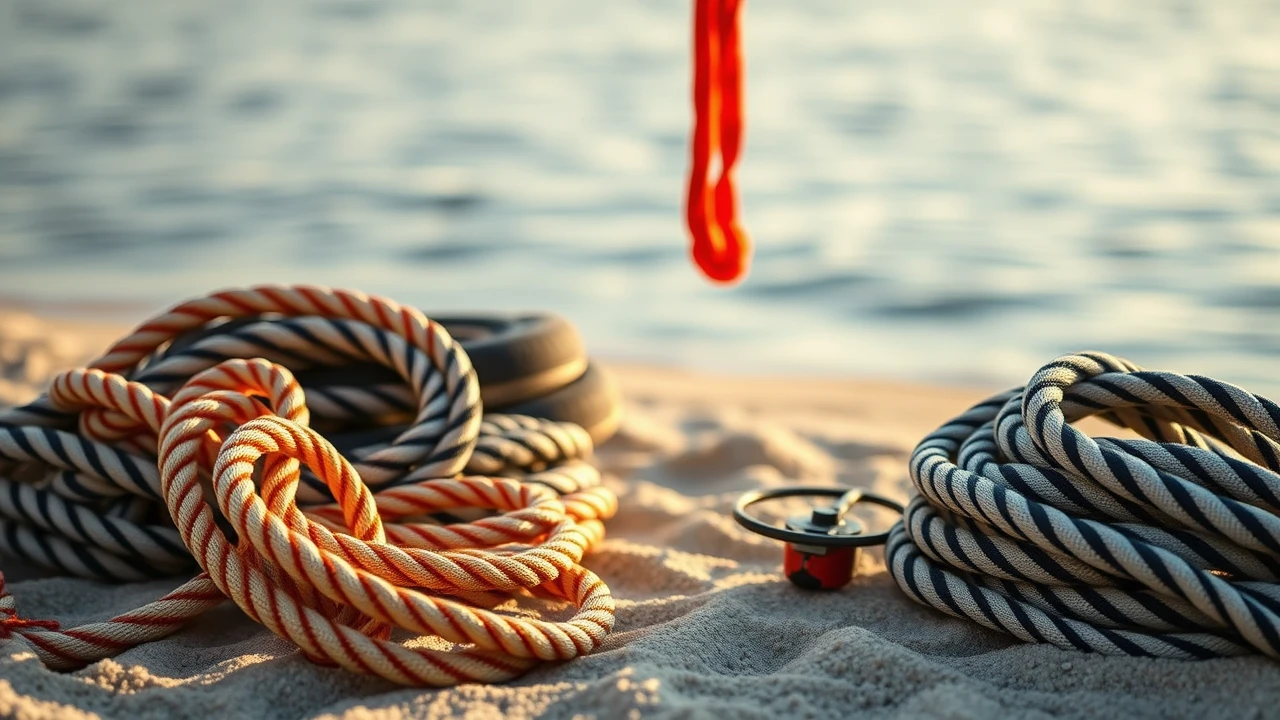
Water sports demand equipment that can withstand the rigors of wet, abrasive, and often unpredictable environments. Among the essential gear, the rope you select plays a critical role in ensuring safety, performance, and durability—whether you’re wakeboarding, water skiing, or anchoring your boat. This guide will walk you through the key considerations for choosing the right rope tailored to your specific water activity, helping you make an informed decision that balances strength, functionality, and sustainability.
Understanding the Different Types of Water Sports Ropes
Water sports ropes vary widely depending on their intended use. Recognizing the distinct categories can help you narrow down your options:
- Wakeboard and Water Ski Ropes: Designed for towing riders, these ropes focus on strength, flexibility, and comfort. They often feature ergonomic handles and floating designs.
- Tow Ropes for Inflatable Tubes: These ropes prioritize buoyancy and durability to handle sudden pulls and the unique dynamics of towing inflatable watercraft.
- Anchor Lines for Boating: Typically heavier and thicker, anchor lines must resist abrasion and hold strong against currents, often requiring longer lengths.
- Docking Ropes: Used for securing boats, these ropes need high tensile strength and resistance to UV and saltwater corrosion.
- Rescue Ropes: Built for emergency situations, rescue ropes emphasize high visibility, quick-release mechanisms, and certified safety standards.
Key Factors to Consider When Choosing a Water Sports Rope
1. Material Composition and Its Benefits
The material of a rope directly impacts its strength, durability, buoyancy, and environmental footprint. Common materials include:
- Nylon: Known for excellent strength and elasticity. Nylon ropes absorb shock well, making them ideal for tow ropes where sudden pulls occur. However, nylon sinks in water.
- Polypropylene: Lightweight and naturally buoyant, polypropylene ropes float, which enhances safety during water activities. They resist moisture but have lower abrasion resistance compared to nylon.
- Polyester: Offers a good balance of strength, low stretch, and UV resistance. Polyester ropes generally don’t float but have superior durability in harsh marine environments.
- Braided Polyethylene: Highly abrasion-resistant and buoyant, braided polyethylene ropes are favored for both towing and docking applications.
2. Floating vs. Non-Floating Ropes: What’s Right for You?
Whether a rope floats or sinks is crucial depending on your activity:
- Floating Ropes: Ideal for wakeboarding, water skiing, and towable tubes. They remain visible on the water surface, reducing the risk of entanglement and making retrieval easier.
- Non-Floating Ropes: More suitable for anchoring or docking, where the rope needs to stay submerged to avoid interference with other vessels or equipment.
3. Strength and Thickness: Matching Rope Specs to Activity Demands
Rope thickness typically ranges between 6mm and 12mm, with tensile strengths up to 2,500 pounds or more. When selecting:
- Tow Ropes: Look for ropes around 8mm to 10mm thick with tensile strengths above 1,500 lbs for durability against dynamic loads.
- Anchor and Docking Lines: Thicker ropes (10mm+) with higher tensile strength provide greater security under strain.
- Rescue Ropes: High-strength ropes with clear certifications ensure reliability during critical operations.
4. Safety Features That Enhance Performance
Safety is paramount on the water. Consider these features:
- Ergonomic Handles: Handles made with EVA foam or rubber improve grip and reduce hand fatigue during prolonged use.
- Reinforced Loops and Quick-Release Mechanisms: These enhance safety by facilitating easy attachment and rapid disengagement in emergencies.
- UV Resistance and Waterproofing: Prolong rope life by choosing UV-stabilized ropes that resist degradation from sun exposure and moisture.
5. Length and Portability
Ropes come in various lengths, typically from 25 to 100 feet. Your choice depends on activity and boat size:
- Shorter ropes are more manageable and portable, suitable for recreational use.
- Longer ropes provide flexibility for larger watercraft or specific anchoring needs.
Many ropes also come with storage bags or spools to simplify transport and prevent tangling.
Environmental Considerations: Choosing Sustainable Ropes
With increased awareness of ecological impact, many ropes now feature eco-conscious manufacturing:
- Biodegradable Coatings: Some ropes have coatings that reduce microplastic pollution.
- Recyclable Components: Opting for ropes with recyclable fibers supports circular economy practices.
- Sustainable Sourcing: Materials harvested with minimal environmental harm contribute to responsible use.
Selecting ropes with environmental certifications or transparent manufacturing practices aligns your water activities with sustainability goals.
Maintaining Your Water Sports Rope for Longevity and Safety
Proper care extends the life of your rope and ensures consistent performance:
- Rinse After Use: Saltwater and dirt can degrade fibers—rinse ropes with fresh water after every outing.
- Avoid Abrasion: Store ropes away from sharp edges and rough surfaces.
- Inspect Regularly: Check for fraying, cuts, or weakened spots. Replace any rope that shows significant wear.
- Dry Thoroughly: Store ropes in a dry, shaded area to prevent mold and UV damage.
Following these maintenance tips preserves rope integrity and enhances your safety on the water.
Innovations in Rope Technology
Modern ropes incorporate advanced features designed to improve user experience:
- Ergonomic Handle Designs: Contoured, soft-grip handles reduce slippage and hand strain.
- Quick-Release Systems: Allow rapid detachment during emergencies, crucial for rescue operations.
- High-Visibility Colors and Patterns: Enhance rope visibility in various lighting and water conditions.
- Anti-Kink Braiding: Specialized braiding techniques minimize tangling and twisting, making handling easier.
Staying informed about these innovations can help you choose ropes that best fit your needs.
Conclusion
Selecting the right rope for your water sports activity involves balancing multiple factors—material, strength, buoyancy, safety features, length, and environmental impact. By understanding the specific demands of your sport, you can choose a rope that not only enhances your performance but also ensures safety and longevity. Whether you’re towing a wakeboarder, anchoring your boat, or preparing for a rescue mission, investing time in choosing the right rope pays off with confidence and peace of mind on the water.
Remember, the best rope is one that fits your activity’s requirements while aligning with your values for safety, durability, and sustainability. Happy watersports!