
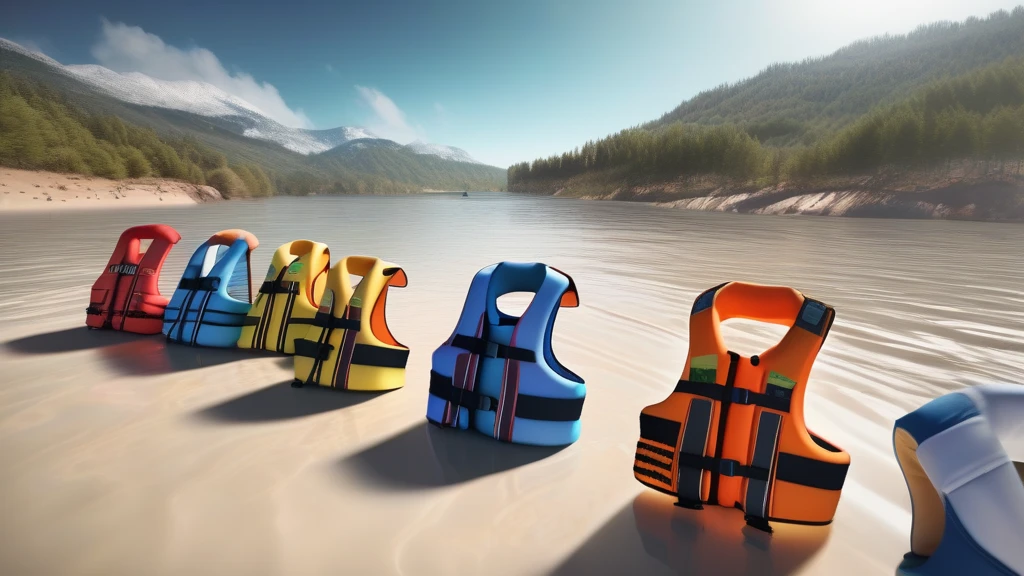
When it comes to water-based activities, safety should always be your top priority. A life jacket is an essential piece of gear that can save lives by keeping you afloat and visible in emergencies. However, with various types of life jackets designed for different uses, selecting the right one can be overwhelming. This guide will help you understand the different types of life jackets, their features, and how to choose the best option for your specific water activity.
Understanding Life Jacket Types and Their Uses
Life jackets are classified primarily by the U.S. Coast Guard into five types, each intended for particular conditions and activities. Knowing these classifications is the first step to making an informed choice.
Type I: Offshore Life Jackets – Maximum Buoyancy for Open Waters
Type I life jackets offer the highest buoyancy, typically 22 pounds or more, designed to keep an unconscious wearer’s head above water. They are ideal for offshore or rough waters where rescue might take longer. Their bulky design prioritizes safety over comfort and is common among commercial mariners and offshore fishermen.
Best for: Offshore boating, commercial fishing, open ocean activities.
Type II: Near-Shore Vests – Moderate Buoyancy for Calm Waters
Type II jackets provide moderate buoyancy (around 15.5 pounds) and are intended for calm, inland waters where quick rescue is expected. They can turn some unconscious wearers face-up but are less reliable than Type I. These jackets are lighter and less bulky, making them suitable for general recreational boating.
Best for: Near-shore boating, calm lakes, rivers, general recreational use.
Type III: Recreational Life Jackets – Comfort and Mobility
Type III life jackets offer standard buoyancy (about 15.5 pounds) and are designed for active water sports where quick rescue is likely. Their ergonomic fit allows for greater freedom of movement, which makes them popular among kayakers, paddleboarders, and sailors. Unlike Type I or II, they may not turn an unconscious person face-up.
Best for: Kayaking, paddleboarding, sailing, water skiing, family boating.
Type IV: Throwable Devices – Supplemental Safety Gear
Type IV devices are not wearable but are throwable flotation aids like cushions or ring buoys. They are intended for emergencies and should be available on boats along with wearable life jackets.
Best for: Supplementary safety on boats, emergency rescue.
Type V: Special-Use Life Jackets – Customized Solutions
Type V jackets are specialized devices designed for specific activities, such as windsurfing, kayaking, or commercial use. They often combine foam and inflatable technology and must be worn according to manufacturer instructions to be considered Coast Guard-approved.
Best for: Specialized water sports, commercial maritime operations, rescue work.
Key Features to Consider When Choosing a Life Jacket
Beyond type classification, several features influence the effectiveness and suitability of a life jacket for your activity.
Buoyancy Rating and Flotation Material
Buoyancy is critical—higher ratings keep you afloat more securely. Life jackets typically use closed-cell foam or hybrid foam-inflatable designs. Foam jackets provide constant buoyancy without maintenance, while inflatable jackets offer compactness and enhanced buoyancy but require proper handling and periodic inspection.
Material Durability and Environmental Considerations
Look for life jackets made from durable, UV-resistant fabrics such as ripstop nylon, marine-grade vinyl, or polyester. Many manufacturers now focus on sustainability by using biodegradable coatings, recyclable foams, and processes with lower carbon footprints. Choosing eco-conscious products aligns safety with environmental responsibility.
Visibility and Safety Enhancements
High visibility colors like orange, yellow, and red improve rescue chances. Reflective tape or glow-in-the-dark strips enhance visibility in low light. Additional safety features to look for include integrated whistles, rescue handles, emergency light mounts, and anti-slip surfaces for secure wear and handling.
Fit, Comfort, and Adjustability
A life jacket must fit snugly but comfortably to prevent slipping off during use. Adjustable straps and reinforced buckles help customize the fit for different body types. For prolonged wear, especially in active sports like kayaking or paddleboarding, ergonomic design and breathability are essential.
Portability and Storage
If you plan to travel or carry your life jacket frequently, consider lightweight, foldable, or compact designs. Inflatable life jackets are particularly space-saving but require monitoring for leaks and proper inflation mechanisms.
Matching Life Jackets to Specific Water Activities
Choosing a life jacket that aligns with your activity ensures both safety and comfort.
Kayaking and Paddleboarding
Type III or specialized Type V jackets with ergonomic designs are preferred. They allow for freedom of movement and often include pockets or attachment points for gear. High visibility is important if you paddle in busy or low-visibility waters.
Fishing and Commercial Maritime Use
For offshore fishing or commercial operations, Type I jackets or specialized Type V versions with maximum buoyancy and durability are advisable. These jackets handle harsh marine environments and extended wear. Additional features like emergency light mounts and rescue handles are valuable.
Sailing and Recreational Boating
Recreational sailors benefit from Type III jackets offering comfort and mobility. Near-shore boaters might opt for Type II or III jackets depending on water conditions and duration. Always ensure your choice is Coast Guard-certified and fits securely.
Family and Youth Use
For children and families, life jackets with moderate buoyancy and secure, adjustable fits are essential. Bright colors and reflective elements enhance visibility, while comfort encourages consistent wear. Some models include crotch straps for extra security on smaller users.
Proper Fit and Maintenance Tips for Longevity and Safety
Even the best life jacket is ineffective if it doesn't fit properly or is poorly maintained.
- Fit Check: When worn, the life jacket should not ride up over your chin or ears when lifted at the shoulders. Adjust all straps snugly.
- Inspection: Regularly check for tears, broken buckles, degraded foam, or punctured inflatable bladders.
- Cleaning: Rinse after use in saltwater to prevent corrosion and use mild soap for cleaning. Avoid harsh chemicals and prolonged sun exposure.
- Storage: Store in a cool, dry place away from direct sunlight and chemicals to preserve materials.
- Replace When Needed: Follow manufacturer guidelines on lifespan and replace jackets showing significant wear or damage.
Understanding Certifications and Safety Standards
Certified life jackets meet rigorous standards ensuring reliable performance.
- US Coast Guard (USCG): Approves life jackets for use in U.S. waters with clear type classifications.
- ISO and CE: International standards that certify quality and safety for global markets.
- TÜV: A European certification emphasizing stringent testing and product safety.
Always choose life jackets bearing these certifications to ensure compliance with legal requirements and safety assurance.
Conclusion
Selecting the right life jacket involves understanding your water activity, the environment, and your personal needs. By considering the type of life jacket, buoyancy, materials, and safety features, you can confidently choose a device that maximizes your safety and comfort on the water. Remember, no life jacket is effective if not worn correctly, maintained, or suited to the conditions—prioritize fit, inspection, and certification to enjoy your aquatic adventures safely.