
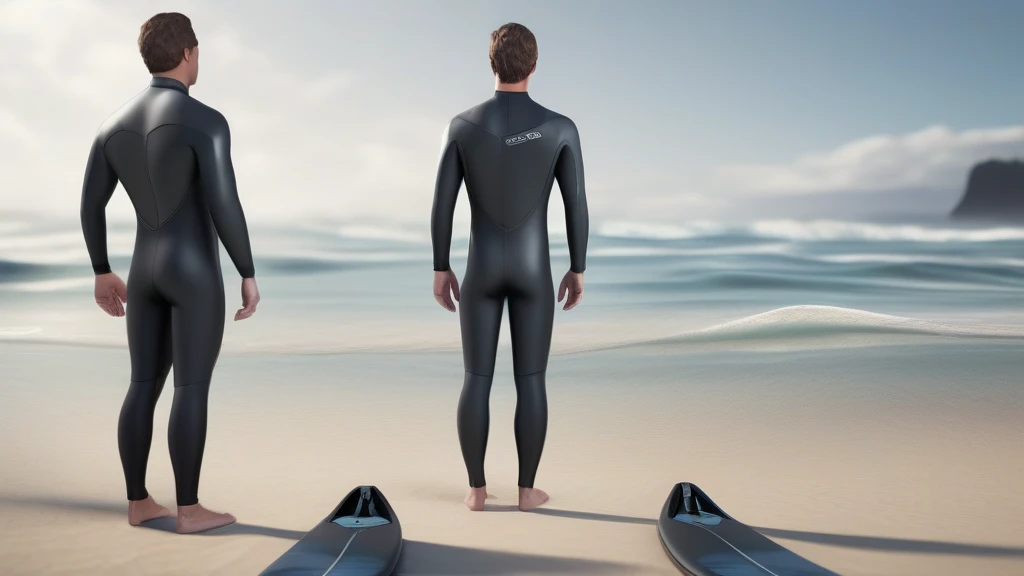
Choosing the right wetsuit fit is crucial for enjoying water sports comfortably and safely. Whether you’re surfing, paddleboarding, kayaking, or diving, the fit and style of your wetsuit directly affect your thermal protection, mobility, and overall performance. This comprehensive guide will walk you through essential measurements, fit types, and entry systems to help you select the wetsuit that best suits your body, activity, and environment.
Understanding Wetsuit Sizing: Key Measurements to Know
Wetsuits are designed to fit snugly against your skin to trap a thin layer of water that your body heats, providing insulation against cold water. Because of this, getting the correct size is more important than choosing a loose or baggy suit.
Essential Body Measurements
To find your perfect wetsuit size, take the following measurements carefully:
- Height: Stand straight without shoes and measure from head to toe.
- Chest circumference: Measure around the fullest part of your chest, keeping the tape snug but not tight.
- Waist circumference: Measure around the natural waistline.
- Hip circumference: Measure around the widest part of your hips.
- Inseam: Measure from the crotch to the ankle (important for full suits and long pants).
- Torso length: Some brands require this to ensure the wetsuit fits properly from shoulders to hips.
Why Accurate Measurements Matter
Wetsuits made from advanced eco-friendly materials such as limestone neoprene or recyclable neoprene offer multi-directional stretch, but this stretch is limited by design to maintain thermal insulation and durability. An ill-fitting wetsuit can cause cold water flushes, restrict movement, or increase fatigue.
Fit Types: How Different Fits Affect Comfort and Performance
Understanding wetsuit fit types helps you choose a style that matches your activity and comfort preferences.
Race Fit
- Description: Very tight and form-fitting, designed to minimize water entry and maximize hydrodynamics.
- Best for: Triathlon training, competitive swimming, and surfing where performance is critical.
- Characteristics: Thin 2mm neoprene panels, ergonomic paneling for unrestricted movement, and minimal seams.
Performance Fit
- Description: Snug but slightly less restrictive than race fit, balancing comfort and performance.
- Best for: Regular surfers, paddleboarders, and recreational divers.
- Characteristics: Thickness ranges from 3mm to 5mm with reinforced seams (blindstitched or taped) for durability and thermal protection.
Comfort Fit
- Description: Roomier than performance fit, designed for extended wear and beginners.
- Best for: Casual paddling, warm water activities, or users new to wetsuits.
- Characteristics: Slightly thicker neoprene for insulation, easier entry and exit, and more forgiving panel cuts.
Activity-Specific Fits
- Shorty suits: Featuring short legs and sleeves, these suits provide warmth in warm water environments with maximum mobility for surfers and swimmers.
- Sleeveless models: Popular with paddleboarders and triathletes for unrestricted arm movement.
- Full-length suits: Ideal for cold water activities like diving or kayaking, offering maximum insulation (up to 7mm neoprene thickness).
Entry Systems: Choosing the Right Access for Convenience and Seal
The design of the wetsuit’s entry system impacts how easily you can put it on and how well it seals against water entry.
Back-Zip Wetsuits
- Features: A vertical zipper running down the back, often with a long pull cord.
- Advantages: Easier to don and doff, good for beginners.
- Considerations: Slightly less waterproof than chest zips due to the zipper placement, but improved with waterproof panels and taped seams.
Chest-Zip Wetsuits
- Features: A horizontal or diagonal zipper across the chest.
- Advantages: Superior flexibility and water sealing, popular in high-performance suits.
- Considerations: Can be harder to put on; suits are often more expensive but provide better windproofing and less water flushing.
Zip-Free Wetsuits
- Features: No zippers, relying on stretch panels and wetsuit entry design.
- Advantages: Maximum stretch and flexibility, minimal water entry points, lightweight.
- Considerations: Require more effort to put on and take off; ideal for experienced users prioritizing mobility.
Material Technologies and Their Impact on Fit and Comfort
Modern wetsuits increasingly use environmentally responsible materials without compromising function.
Limestone Neoprene and Recyclable Neoprene
These materials offer excellent stretch and thermal insulation while reducing environmental impact. Their softer texture enhances comfort and fit, enabling suits to contour closely to body shapes without restricting movement.
Biodegradable Coatings and Reinforced Seams
These features extend wetsuit lifespan and maintain flexibility. Blindstitched or taped seams reduce water penetration and prevent seam failure, ensuring the suit maintains its fit and insulation over time.
Additional Fit Considerations for Optimal Use
Gender-Specific Designs
Women’s wetsuits generally feature narrower shoulders, wider hips, and contoured paneling for a better body-specific fit. Men’s suits are shaped for broader shoulders and straighter hips.
Thermal Insulation Thickness
Choose thickness based on water temperature:
- 2mm to 3mm: Best for warm water and high-mobility sports.
- 4mm to 5mm: Suitable for temperate waters and longer sessions.
- 6mm to 7mm: Designed for cold water diving and extended exposure.
Remember, thicker neoprene is less stretchy, so sizing may need adjusting to accommodate bulkier panels.
Safety Features
Look for wetsuits with high-visibility panels for better spotting in open water and anti-slip surfaces on knees and elbows for safer paddling and climbing. Some suits also include emergency whistle attachments integrated into the zipper pulls.
Practical Tips for Trying on and Testing Wetsuit Fit
- Try wetsuits on when dry and wet: Neoprene stretches when wet, so a snug dry fit generally becomes comfortable when wet.
- Check for mobility: Perform typical movements such as squatting, reaching, and bending to ensure no pinching or excessive tightness.
- Look for minimal water flushing: Water should not easily enter the suit at the wrists, ankles, or neck.
- Assess comfort over time: Wetsuits should feel like a second skin, not restrictive or painful after wearing for 30 minutes.
Conclusion
Selecting the right wetsuit fit involves understanding your precise measurements, choosing from different fit types tailored to your activity and experience, and selecting an entry system that balances convenience with water sealing. By focusing on sustainable materials like limestone neoprene and paying close attention to thermal insulation, ergonomic paneling, and safety features, you ensure your wetsuit not only performs at a high level but also supports your comfort and environmental values. With careful consideration and proper fitting, your wetsuit will enhance your water sports experience across seasons and activities.