
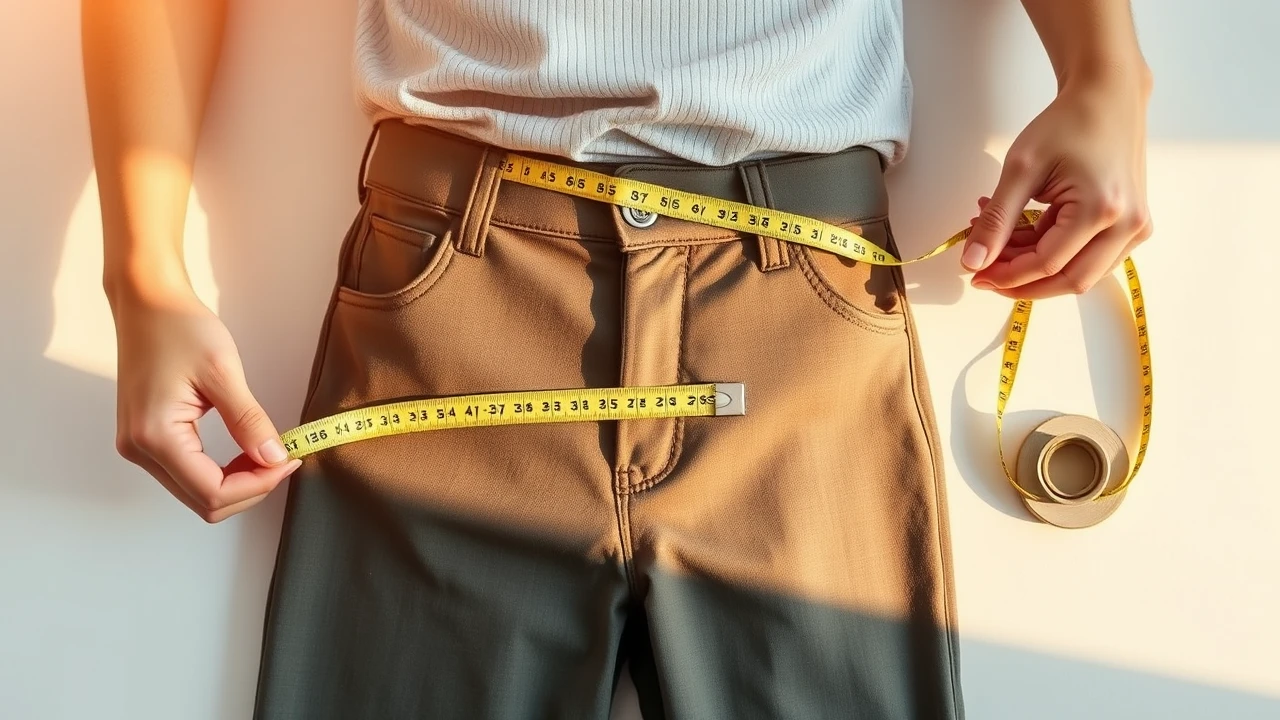
Finding the perfect pair of pants starts with knowing your size accurately. Whether shopping for children’s rugged play pants, men’s durable denim, or women’s chic and flexible trousers, a well-fitting pair is essential for comfort, style, and function. This comprehensive sizing guide will walk you through the key measurements, fit types, and sizing tips to help you confidently select pants that complement your lifestyle and body shape — all without relying on brand-specific charts.
Why Proper Pant Sizing Matters
Wearing pants that fit well goes beyond aesthetics. The right size ensures:
- Comfort: Properly fitted pants allow for ease of movement without pinching or sagging.
- Functionality: Especially important for kids’ active play or men’s and women’s pants designed for commuting, casual wear, or light outdoor adventures.
- Durability: Pants that fit correctly reduce stress on seams and fabric, prolonging wear.
- Style: Flattering proportions that enhance your look, whether casual or semi-formal.
Understanding how to measure and interpret sizing can save you from returns and frustration, making your shopping experience smoother and more satisfying.
Essential Measurements for Finding Your Pants Size
When measuring for pants, three primary dimensions matter: waist, inseam, and hips. Additional measurements or considerations can help fine-tune fit.
1. Waist Measurement
The waist is the circumference around your natural waistline, typically just above the belly button.
How to measure:
- Use a flexible tape measure.
- Stand upright and wrap the tape snugly around your waist without sucking in.
- Record the measurement in inches or centimeters.
Why it matters: Waist size determines how comfortably the pants will sit around your midsection. For children’s pants, elasticized or adjustable waistbands help accommodate growth and active movement.
2. Inseam Length
The inseam is the length from the crotch seam to the bottom of the pant leg.
How to measure:
- Measure a pair of pants that fit well by laying them flat.
- From crotch seam to leg hem, note the length.
- Alternatively, measure your leg from the crotch down to where you want the pants to end.
Why it matters: Inseam length affects where pants fall on your ankle or shoe. For men’s and women’s pants, the inseam helps avoid bunching or overly cropped looks. For kids, the inseam ensures freedom of movement while avoiding tripping hazards.
3. Hip Measurement
The hips are measured around the fullest part of your hips and buttocks.
How to measure:
- Stand with feet together.
- Wrap the tape measure around the widest point of your hips.
- Keep the tape parallel to the floor.
Why it matters: Hip measurement is critical for pants with a fitted or tailored cut. Women’s styles especially benefit from accurate hip sizing to achieve a flattering silhouette without tightness.
Understanding Pant Fit Types
Pants come in a variety of fits designed to serve different needs and style preferences. Knowing these fit types helps you anticipate how a pair will feel and look.
Slim Fit
- Characteristics: Narrow cut through the seat and thighs, tapering toward the ankle.
- Best For: Those seeking a modern, streamlined silhouette.
- Materials: Often incorporate elastane for stretch, enhancing flexibility.
- Use Cases: Casual outings, office wear, and fashion-conscious settings.
Regular Fit
- Characteristics: A classic cut with moderate room in hips and thighs, straight leg.
- Best For: Everyday comfort and versatility.
- Materials: Denim and cotton blends that balance durability and softness.
- Use Cases: Urban commuting, casual wear, and light outdoor activities.
Relaxed or Loose Fit
- Characteristics: Generous room through hips, thighs, and legs.
- Best For: Maximum comfort and mobility.
- Materials: Often cotton-rich for breathability or acrylic blends for warmth.
- Use Cases: Active children’s pants, casual weekend wear, and outdoor adventures.
Tapered Fit
- Characteristics: Roomy at the hips and thighs, narrowing down toward the ankle.
- Best For: A blend of comfort and a fashionable silhouette.
- Materials: Commonly feature stretch fibers like elastane for ease of movement.
- Use Cases: Women's and men's versatile pants suited for day-to-night transitions.
How Fabric Influences Fit and Sizing
The material composition of pants affects both how they fit and how they feel throughout the day.
- Cotton: Soft, breathable, and comfortable. Cotton pants may shrink slightly after washing, so allow some room in sizing.
- Denim: Durable with a classic look. Denim with added elastane offers stretch for flexibility without losing shape.
- Acrylic: Warm and resilient, acrylic blends are often used in pants designed for colder weather or outdoor activities.
- Elastane: Provides stretch and recovery, enhancing comfort and fit, especially for slim and tapered pants.
When choosing pants, consider fabric stretch and recovery. Pants with higher elastane content can fit snugger without discomfort, while rigid materials like 100% cotton denim may require more precise sizing.
Tips for Measuring Children’s Pants
Kids’ pants sizing emphasizes flexibility and durability to keep up with active play.
- Use adjustable or elastic waistbands: These accommodate growth spurts and allow freedom of movement.
- Measure height and weight along with waist and inseam: Many children’s pants sizing charts incorporate these measurements.
- Consider reinforced knees and durable stitching: These features support rugged play and extend garment life.
- Look for playful colors and prints: Bright hues and fun patterns encourage kids to enjoy wearing their pants.
Common Sizing Challenges and How to Overcome Them
Different Brands, Different Sizes
Without a universal sizing standard, sizes can vary. Focus on your actual measurements rather than size labels.
Shrinkage After Washing
Natural fibers like cotton may shrink; buying slightly larger or pre-washed pants can help maintain fit.
Finding the Right Length
If inseam length is tricky to gauge, consider pants with adjustable hems, cuffed styles, or those that can be tailored.
Balancing Fit and Comfort
If a slim fit feels restrictive, opt for blends with elastane or try a tapered or regular fit for more ease.
Practical Steps to Ensure the Best Fit When Shopping
- Measure Yourself or Your Child First: Use a soft tape measure, and write down waist, hip, and inseam.
- Compare to Size Charts: Use the measurements to select the closest size on brand-neutral charts.
- Consider the Pant Style and Fabric: Choose fits and materials that suit your activity and comfort needs.
- Try Them On When Possible: Check for comfort in sitting, bending, and walking.
- Look for Features Like Stretch and Adjustable Waistbands: These add flexibility to fit.
- Read Product Descriptions Carefully: They often mention if pants run true to size, are slim, or have a relaxed fit.
Conclusion
Finding your perfect pants size is a blend of accurate measurements, understanding fit types, and considering fabric properties. Whether you’re outfitting an energetic child, a style-conscious woman, or a man seeking durable everyday pants, knowing these basics empowers you to choose pants that deliver comfort, functionality, and style. With the right approach, pants shopping becomes a confident and rewarding experience — making your wardrobe both versatile and flattering for every occasion.