
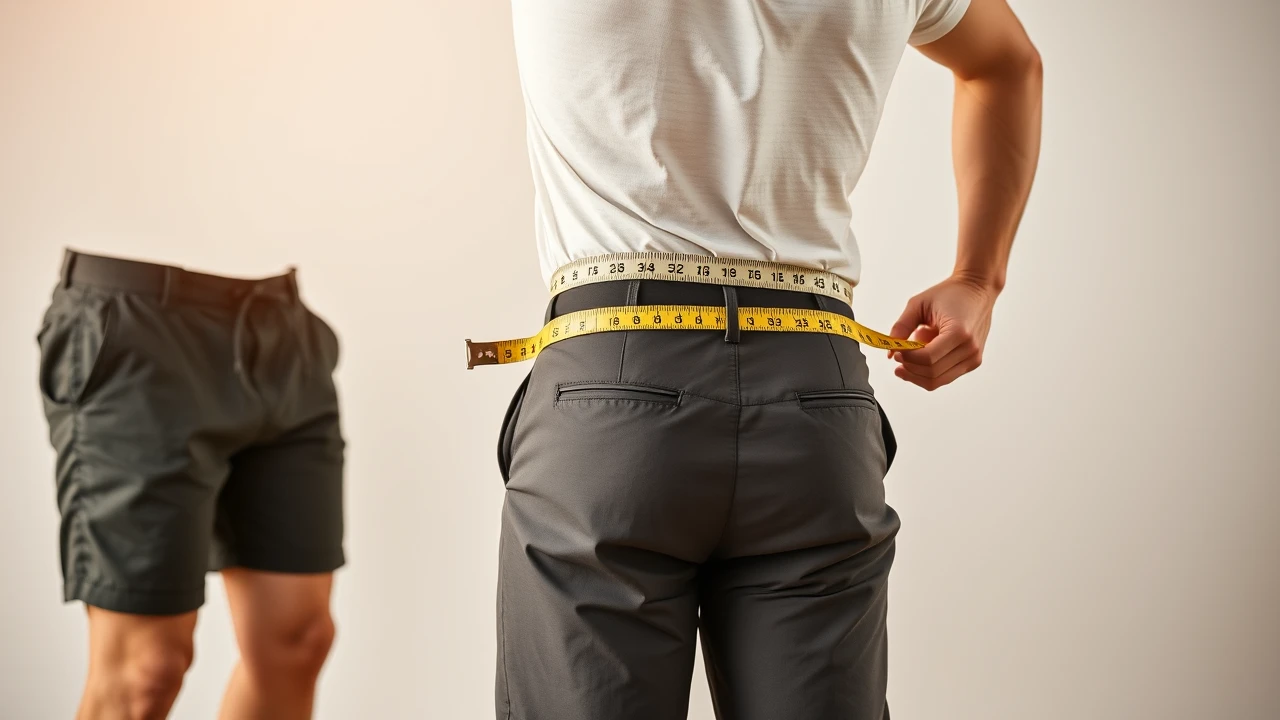
Finding the perfect pair of shorts is more than just picking a design or color you like—it’s about ensuring the right fit that blends comfort, style, and functionality. Whether you’re shopping for kids’ shorts built for active play, men’s casual or performance shorts, or women’s fashion and activewear shorts, understanding sizing and fit is key to making a confident choice. This comprehensive sizing guide will walk you through measurement instructions, fit types, and practical sizing advice to help you find shorts that move with you, look great, and last.
Why Proper Shorts Sizing Matters
Shorts are a wardrobe staple that serve many roles—from casual outings to rigorous workouts and outdoor adventures. Because they range widely in materials and design, an ill-fitting pair can limit movement, cause discomfort, or look unflattering.
- Comfort: Shorts that fit well won’t pinch, bind, or ride up.
- Performance: Athletic or activewear shorts rely on stretch and moisture-wicking properties — fit affects their effectiveness.
- Style: Tailoring and cut impact how shorts complement your body shape.
- Durability: Proper fit reduces strain on seams and fabric, extending the life of your shorts.
Knowing how to measure yourself and interpret sizing charts is essential, especially when styles vary between casual denim shorts, breathable cotton, and stretch-enhanced elastane blends.
Step 1: Take Accurate Body Measurements
Before choosing shorts, gather these key measurements using a soft measuring tape. It’s best to measure over light clothing or underwear for the most accurate fit.
Waist Measurement
- Locate your natural waistline, usually the narrowest part of your torso, above the belly button and below the rib cage.
- Wrap the tape measure snugly but not tightly around this area.
- Record the measurement in inches or centimeters.
Hip Measurement
- Measure around the fullest part of your hips and buttocks.
- Keep the tape parallel to the floor and snug without compressing the skin.
- This measurement is critical for shorts with a tailored or slim fit to ensure comfort.
Inseam Length
- The inseam is the length from the crotch seam to the bottom edge of the shorts.
- For an accurate inseam, measure a pair of shorts that fit you well, or measure your inner leg from crotch to desired hem length.
- Different styles have varying inseam preferences—short athletic shorts may have 3-5 inches, while casual or denim shorts often range from 7-11 inches.
Thigh Circumference (Optional)
- For a more precise fit around the legs, measure the fullest part of your thigh.
- This helps when selecting slim or performance shorts that incorporate stretch materials like elastane.
Step 2: Understand Common Fit Types
Shorts come in a variety of fits tailored to different preferences and activities. Knowing the style you want helps narrow down sizing choices.
Relaxed Fit
- Features a looser cut around the hips and thighs.
- Ideal for casual wear and active kids needing freedom of movement.
- Often made in breathable cotton blends or denim for durability.
- Provides comfort without clinging, suitable for outdoor adventures and play.
Tailored or Slim Fit
- Contours closer to the body, tapering at the thigh.
- Popular in men’s and women’s fashion shorts for a polished appearance.
- Often crafted from cotton-elastane blends or acrylic materials to maintain shape.
- Requires more precise waist and hip measurements to avoid tightness.
Performance Fit
- Designed for workouts and athletic pursuits.
- Typically uses stretch fabrics with elastane for flexibility and moisture-wicking properties.
- Features shorter inseams and ergonomic paneling for enhanced mobility.
- Fit should be snug but not restrictive, allowing a full range of motion.
Step 3: Consider Fabric and Its Impact on Sizing
Material choice affects comfort, stretch, and how shorts fit over time.
Cotton Shorts
- Soft and breathable, cotton shorts are ideal for casual, everyday wear.
- They tend to have minimal stretch, so sizing should accommodate natural body measurements.
- Cotton shorts may shrink slightly after washing; consider this when selecting your size.
Denim Shorts
- Known for rugged durability and classic style.
- Typically less stretchy unless blended with elastane.
- Often cut in relaxed or tailored fits.
- Because denim can be stiff initially, some recommend sizing up slightly or breaking them in for comfort.
Elastane and Acrylic Blends
- These blends offer significant stretch and shape retention.
- Common in performance and activewear shorts.
- Fit should be more form-fitting to maximize flexibility.
- Look for moisture-wicking or quick-drying properties to enhance comfort during exercise.
Step 4: Interpreting Size Charts and Brand Variations
Sizing can vary widely between brands and styles, so relying solely on standard size labels (S, M, L, or numeric sizes) can be misleading.
Use Your Measurements as a Baseline
- Match your waist and hip measurements to size charts provided by retailers.
- Pay special attention to inseam lengths, especially for kids’ shorts where growth and activity level matter.
Account for Intended Fit
- If you prefer a relaxed fit, you might select one size larger.
- For a tailored or performance fit, choose the size closest to your exact measurements.
Kids’ Shorts Sizing Tips
- Kids’ shorts often run true to age-based sizing but check measurements for hip and waist.
- Consider growth room—opt for sizes that allow comfortable movement without excessive looseness.
- Look for durable cotton or elastane blends that withstand active play.
Step 5: Try and Evaluate Fit
When trying on shorts or receiving them via online purchases, evaluate the fit with these criteria:
- Waistband: Should sit comfortably without pinching or slipping.
- Hip and thigh area: Should allow easy movement without sagging or tightness.
- Length: Should align with your preferred style and occasion—short enough for breathability but long enough for modesty or protection.
- Fabric behavior: Stretch fabrics should snap back; cotton and denim should feel soft but supportive.
If possible, move around, sit, and bend to test how the shorts behave under typical activities.
Additional Tips for Finding Your Perfect Shorts
- Check for adjustable features: Elastic waistbands, drawstrings, or button tabs offer flexible sizing, especially useful for kids.
- Consider layering: If you plan to wear compression shorts or leggings underneath, size accordingly.
- Seasonal fabric choices: Breathable cotton blends suit summer, while thicker denim or acrylic blends may be better for cooler months.
- Color and styling: Darker colors and tailored cuts tend to look dressier, while bright colors and relaxed fits signal casual or sporty uses.
Conclusion
Choosing the perfect shorts size requires a combination of accurate measurement, understanding fit types, and considering fabric characteristics. Whether you’re shopping for durable kids’ shorts made of cotton and elastane blends, versatile men’s denim or performance shorts, or stylish women’s athleticwear with stretch and moisture-wicking technology, using this sizing guide will help you make informed decisions. Remember: the best shorts fit comfortably, support your activity level, and complement your personal style—helping you look and feel your best in every season.