
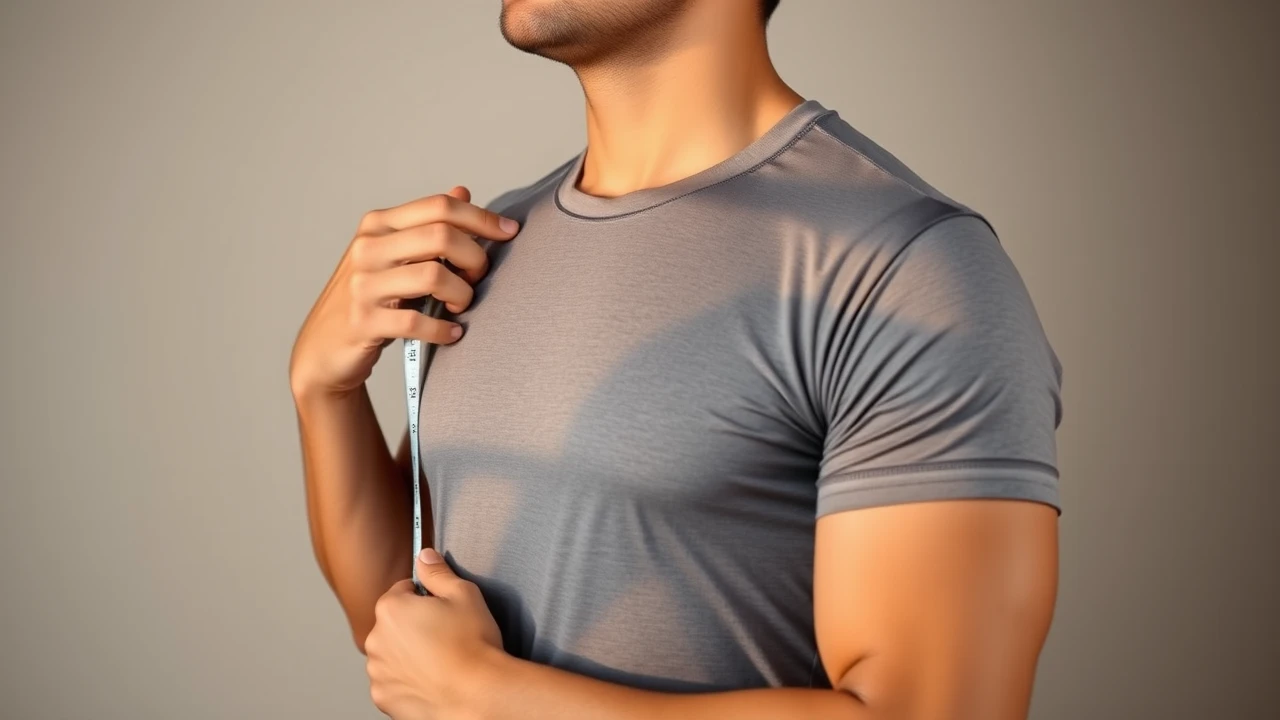
Choosing the right size for an activewear t-shirt can transform your experience—whether you’re hitting the gym, trekking outdoors, traveling, or seeking eco-conscious office wear. Unlike casual tees, activewear tops blend performance technologies with style and sustainability, making fit an important factor for both comfort and function. This comprehensive sizing guide will walk you through how to measure yourself accurately, understand different fit types, and select the perfect size—without relying solely on brand charts.
Why Proper Sizing Matters in Activewear T-Shirts
Activewear t-shirts are designed to support movement, regulate body temperature, and endure wear and tear. If your t-shirt is too tight, it may restrict mobility or cause discomfort during activity. Too loose, and it may interfere with performance features like moisture-wicking or ventilation.
Key reasons to prioritize fit:
- Comfort & Mobility: Stretchable fabrics like spandex blends or bamboo fibers need proper fit to maximize freedom of movement.
- Performance: Moisture management and breathability work best when the shirt fits close enough to the skin to pull sweat away effectively.
- Durability: Avoid excessive strain on seams and fabric caused by ill-fitting shirts.
- Aesthetic & Versatility: Fit affects how a t-shirt transitions from gym to casual or professional settings, especially with the rise of multi-functional activewear.
Step 1: Take Accurate Body Measurements
Before selecting a size, begin with precise measurements of your body. Use a soft measuring tape and ideally have a friend assist for accuracy. Wear minimal clothing for the best results.
Key Measurements for T-Shirts
- Chest/Bust: Measure around the fullest part of your chest or bust, keeping the tape snug but not tight.
- Waist: Measure at the narrowest point of your natural waistline.
- Hip: For longer or tunic-length t-shirts, measure around the fullest part of your hips.
- Shoulder Width: Measure from the tip of one shoulder across the back to the other tip.
- Sleeve Length: For long-sleeve activewear tops, measure from shoulder seam down to wrist.
Tips for Precise Measuring
- Stand straight and breathe normally.
- Keep the tape parallel to the floor.
- Avoid pulling the tape too tight.
- Record measurements in inches or centimeters to compare with sizing charts.
Step 2: Understand Fit Types and Their Purpose
Activewear t-shirts come in several fit styles tailored for different activities and body types. Knowing these will help you decide whether to size up or down depending on your preference.
Athletic/Slim Fit
- Characteristics: Contoured to the body with stretch for close-fitting comfort.
- Ideal for: High-intensity workouts, running, cycling where minimal fabric movement is desired.
- Fabric examples: Polyester-spandex blends, Merino wool mixes with stretch.
- Sizing advice: Choose a size that matches your chest measurement exactly; avoid loose fits to maintain moisture-wicking efficiency.
Relaxed/Regular Fit
- Characteristics: Slightly looser, offering breathability and casual comfort without being baggy.
- Ideal for: Moderate activity, gym sessions, outdoor adventures, and casual wear.
- Fabric examples: Organic cotton blends, bamboo with added stretch.
- Sizing advice: Match your chest size or size up if you prefer more airflow or layering options.
Oversized/Tunic Fit
- Characteristics: Longer length and generous cut for maximum comfort and coverage.
- Ideal for: Travel, office wear, or layering in cooler weather.
- Fabric examples: Rayon blends, wrinkle-resistant fabrics with odor control.
- Sizing advice: Opt for your natural size or size up for a relaxed silhouette; ensure shoulder seams align properly to avoid a sloppy fit.
Step 3: Decoding Brand-Agnostic Sizing Charts
Sizes vary widely across manufacturers, so rely on your measurements rather than just size labels like S, M, L. Most activewear brands provide general size charts that relate chest/bust and waist measurements to sizes.
Example Sizing Guide (Men’s and Women’s)
| Size | Chest (inches) | Chest (cm) | Waist (inches) | Waist (cm) |
|---|---|---|---|---|
| XS | 32-34 | 81-86 | 26-28 | 66-71 |
| S | 35-37 | 89-94 | 29-31 | 74-79 |
| M | 38-40 | 97-102 | 32-34 | 81-86 |
| L | 41-43 | 104-109 | 35-37 | 89-94 |
| XL | 44-46 | 112-117 | 38-40 | 97-102 |
Note: Some fabrics with high stretch may accommodate a broader range of measurements, while others like organic cotton fit more rigidly.
Step 4: Evaluate Fabric and Features Impacting Fit
The fabric composition influences not only feel but also how a t-shirt fits over time and during activity.
Breathable & Moisture-Wicking Fabrics
- Polyester blends: Lightweight, quick-drying, and stretchable for snug fits.
- Merino wool: Naturally moisture-wicking and odor-resistant, ideal for tighter fits that regulate temperature.
- Bamboo & organic cotton: Softer, breathable fabrics better suited for relaxed fits.
Fabric Stretch & Recovery
- Fabrics with spandex or elastane offer stretch and return to shape, accommodating dynamic body movements.
- Non-stretch fabrics require more precise sizing to avoid restriction.
Additional Features Affecting Fit
- Ventilated panels: Often placed underarms or back; sizing should ensure these are positioned correctly without excess fabric bunching.
- UV protection: Usually integrated into tightly woven fabrics, best paired with athletic or slim fits.
- Wrinkle- and stain-resistant finishes: Common in travel-friendly styles, which may have a slightly relaxed fit for layering and comfort.
Step 5: Practical Tips for Trying and Choosing Your Size
- Try on multiple sizes: When possible, test both your standard size and one size up/down to compare comfort and mobility.
- Move around: Simulate your typical activities—stretch arms, bend, twist—to ensure the shirt stays comfortable and doesn’t ride up.
- Consider layering: If you plan to wear your activewear t-shirt under jackets or long sleeves, choose a slightly slimmer fit.
- Check shoulder seams: Seams should align with the edge of your shoulders for proper drape.
- Length matters: For activewear that doubles as office or travel wear, ensure the length offers enough coverage without restricting movement.
Step 6: Caring for Your Activewear to Maintain Fit
Proper care preserves fabric elasticity and shape retention:
- Machine wash cold: Use gentle cycles to prevent fabric breakdown.
- Avoid fabric softeners: They can clog moisture-wicking properties.
- Air dry or tumble dry low: High heat damages spandex and synthetic fibers.
- Store folded: Hanging can stretch out necklines and shoulders.
Conclusion
Finding your perfect activewear t-shirt size involves more than just knowing your usual size label. By accurately measuring your body, understanding fit types, considering fabric characteristics, and evaluating design features, you can select a t-shirt that enhances your performance, comfort, and style. Whether you prefer the snugness of an athletic fit or the relaxed ease of a tunic-length top, this sizing guide empowers you to make informed choices — all while supporting your active, eco-conscious lifestyle with thoughtfully crafted apparel.