
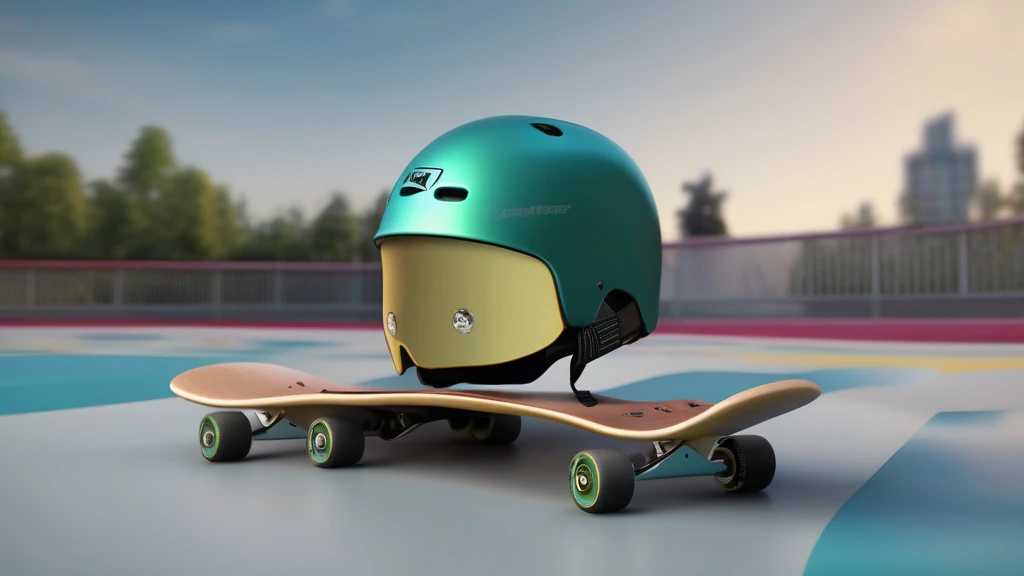
Wearing a skate helmet is one of the most effective ways to protect your head during skateboarding, BMX riding, scootering, or rollerblading. However, the safety benefits of a helmet depend heavily on how well it fits. An improperly fitted helmet can compromise protection, cause discomfort, and distract from your performance. This comprehensive guide will walk you through the essential steps to properly fit a skate helmet, ensuring both maximum safety and comfort.
Why Proper Helmet Fit Matters
Skate helmets are designed to absorb and dissipate impact forces during falls or collisions. Most models feature durable polycarbonate or ABS plastic shells combined with EPS foam liners that cushion blows. Many helmets also incorporate advanced impact mitigation technologies like MIPS (Multi-directional Impact Protection System), which reduce rotational forces during angled impacts.
However, these protective features can only work effectively if the helmet fits snugly and securely on your head. A loose helmet can shift or even come off during a crash, while a helmet that's too tight may cause pressure points and headaches. Proper fit ensures that impact energy is distributed correctly across the helmet, minimizing the risk of injury.
Step 1: Measure Your Head Circumference
Before selecting or adjusting a helmet, accurately measure your head size. Follow these simple steps:
- Use a flexible tape measure.
- Place the tape around your head about 1 inch (2.5 cm) above your eyebrows and ears — the widest part of your head.
- Ensure the tape is level and snug but not tight.
- Note the measurement in centimeters or inches.
Most skate helmets come in size ranges (small, medium, large) corresponding to head circumferences, but exact sizes vary by model. Knowing your measurement helps you select the right size and avoid guessing.
Step 2: Choose the Right Helmet Size
Skate helmets are available in various sizes and often include adjustable fitting systems:
- Multi-size fit pads: Removable foam pads inside the helmet allow you to fine-tune the fit for different head shapes.
- Rotational dial systems: A dial at the back tightens or loosens the helmet’s internal cradle, providing a customizable, secure fit.
- Adjustable chin straps: Straps that can be lengthened or shortened to keep the helmet firmly in place.
When trying on a helmet, select the size closest to your head measurement and use these adjustment features to achieve a snug fit.
Step 3: Position the Helmet Correctly
Proper helmet positioning is vital for optimal protection:
- The front rim of the helmet should sit about 1 to 2 finger-widths (approximately 2.5 to 5 cm) above your eyebrows. This placement protects your forehead without obstructing vision.
- The helmet should cover the back of your head, ending just above the base of your skull.
- Ensure the helmet sits level on your head and doesn’t tilt backward or forward.
Using a mirror or asking a friend to check can help confirm correct positioning.
Step 4: Adjust the Chin Strap and Buckle
The chin strap keeps the helmet securely attached during movement and impact. To adjust it properly:
- Buckle the chin strap and tighten it until it feels snug but comfortable.
- You should be able to fit one or two fingers between the strap and your chin.
- The side straps should form a "V" shape just below your ears, with sliders adjusted to sit comfortably without excess slack.
- Confirm the quick-release buckle fastens securely and can be operated easily.
A well-adjusted chin strap prevents helmet wobble and ensures the helmet stays in place during activity.
Step 5: Test the Helmet Fit
Perform simple fit tests to verify your helmet is secure:
- Shake test: Shake your head side to side and up and down. The helmet should remain stable and not shift significantly.
- Roll test: Try to roll the helmet forward off your head by pushing the front rim. A properly fitted helmet resists movement.
- Comfort check: Wear the helmet for 10-15 minutes and ensure there are no uncomfortable pressure points or pinching.
If the helmet moves excessively or causes discomfort, readjust the straps and pads or consider a different size or model.
Additional Considerations for Comfort and Safety
Ventilation and Weight
Most skate helmets feature between 10 to 15 strategically placed vents to optimize airflow, crucial for summer sports. Choose models with adjustable vents if you want to control ventilation depending on weather or activity intensity. Lightweight helmets (typically 200-300 grams) reduce neck fatigue during prolonged sessions.
Safety Certifications
Ensure your helmet meets relevant safety standards such as CPSC (Consumer Product Safety Commission), ASTM F1492 (skateboarding-specific), CE EN 1078 (European standard), or TÜV certification. These certifications guarantee the helmet has passed rigorous impact tests.
Advanced Safety Features
Consider helmets with MIPS technology, which adds a low-friction layer inside the helmet to reduce rotational forces on the brain during angled impacts. This feature enhances protection beyond traditional EPS foam liners.
Sustainability
If environmental impact is important to you, look for helmets manufactured using eco-friendly materials, low carbon processes, or recyclable components. Some brands offer biodegradable coatings or use recycled plastics in their shells.
Fitting Helmets for Children and Youth
Youth skate helmets often include additional fit features to accommodate growing heads:
- Multi-size foam pads for gradual size adjustments.
- Larger adjustment ranges in dial fit systems.
- Lightweight designs to reduce strain on smaller necks.
- Bright colors and reflective details for visibility.
Always measure children’s heads regularly and replace helmets when they no longer fit properly to maintain safety.
Maintaining Your Skate Helmet Fit Over Time
Helmet fit can change due to wear, padding compression, or growth in youth users. To maintain proper fit:
- Periodically check and re-measure your head size.
- Replace worn or compressed fit pads.
- Adjust straps and dial systems before each use.
- Store helmets in cool, dry places away from direct sunlight to prevent material degradation.
Remember, helmets have a limited lifespan—typically 3 to 5 years—and should be replaced after significant impacts or visible damage.
Conclusion
Properly fitting a skate helmet is essential for effective protection and comfortable wear during skateboarding and other outdoor sports. By carefully measuring your head, selecting the right size, positioning the helmet correctly, and adjusting straps and fit systems, you can ensure your helmet performs its protective role without compromising comfort.
Keep in mind the importance of ventilation, weight, safety certifications, and advanced technologies like MIPS when choosing a helmet. For youth riders, prioritize adjustability and regular fit checks as they grow.
By following this step-by-step fitting guide, you’ll maximize your helmet’s safety benefits and enjoy your outdoor activities with confidence and peace of mind.