
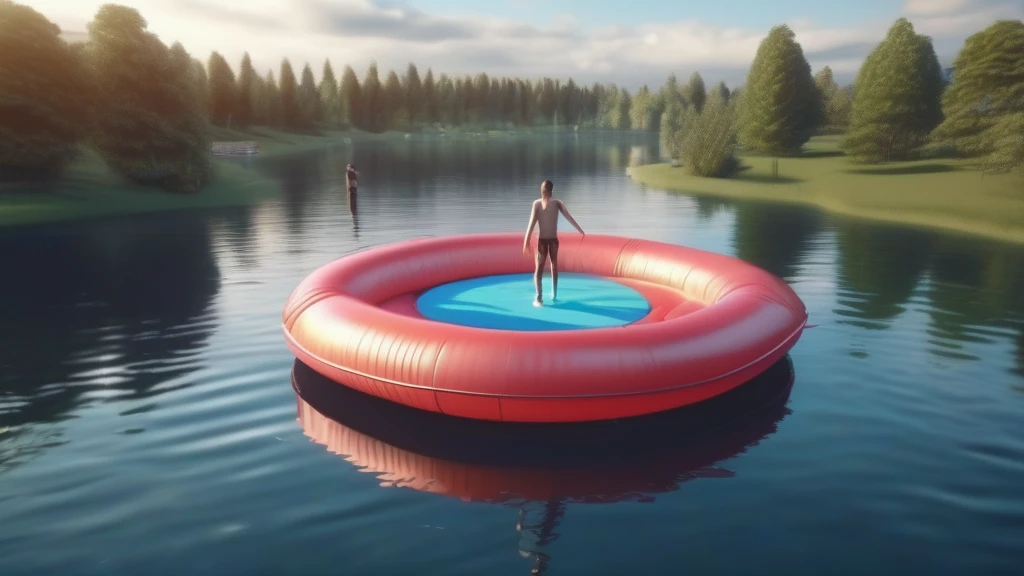
Inflatable water trampolines bring an exciting twist to outdoor water play, combining the thrill of bouncing with the refreshing environment of lakes, pools, and beaches. These vibrant, buoyant platforms are a fantastic addition to any summertime adventure, offering fun for families, friends, and water sports enthusiasts alike. To enjoy hours of safe, dynamic jumping and splashing year after year, proper maintenance and storage of your inflatable water trampoline are essential. This guide provides practical advice to help you preserve your water trampoline’s durability, safety, and vibrant appearance.
Understanding Your Inflatable Water Trampoline
Before diving into maintenance tips, it’s helpful to understand what makes water trampolines unique. Typically ranging from 8 to 12 feet in diameter, these inflatables accommodate 2 to 4 users simultaneously. They are constructed from durable, waterproof materials such as heavy-duty PVC or reinforced vinyl, designed to withstand constant exposure to water and sun. Bright colors like blue, red, yellow, and orange ensure high visibility on the water, enhancing safety. Strong seams and secure inflation valves provide stability, ensuring a safe bouncing surface even during energetic play.
Because water trampolines are exposed to elements including sun, water, and sometimes rough surfaces, they require specific care to maintain their structure and appearance over time.
Routine Cleaning: Keeping Your Trampoline Fresh and Functional
1. Rinse After Every Use
Saltwater, chlorine, algae, and dirt can accumulate on the surface of your water trampoline, which can degrade materials if left untreated. After each session, rinse the trampoline thoroughly with fresh water to remove these residues. Use a hose or buckets of clean water to wash away any sand, leaves, or debris.
2. Mild Soap Cleaning
Periodically, give the trampoline a gentle wash using a mild soap or specialized inflatable cleaner. Avoid harsh detergents or abrasive scrubbers that could damage the surface or weaken seams. A soft cloth or sponge works best. This cleaning helps prevent buildup of grime and discourages mold or mildew growth.
3. Dry Completely Before Storage
Moisture trapped inside folds or seams can lead to mold and unpleasant odors. After rinsing and cleaning, allow the trampoline to dry completely in a shaded, well-ventilated area before packing it away. Avoid direct sunlight during drying to prevent UV damage to the material.
Inspection and Repairs: Addressing Wear and Tear Early
1. Check for Leaks and Punctures
Regularly inspect your trampoline for small punctures, leaks, or seam splits. Inflatable water trampolines may develop tiny holes from sharp objects or rough handling. Inflate the trampoline fully and listen or feel for escaping air. Submerge small sections in water to spot bubbles indicating leaks.
2. Prompt Patch Repairs
Most water trampolines come with patch repair kits. If you find any holes or tears, address them promptly following the kit’s instructions. Clean and dry the damaged area thoroughly before applying the patch to ensure strong adhesion. Timely repairs prevent minor issues from becoming major problems.
3. Inspect Inflation Valves and Straps
Check that all inflation valves are secure and free from damage or debris. Loose or faulty valves can reduce air retention and compromise safety. Also, examine any anchor straps or attachment points for signs of wear or fraying and replace them if necessary.
Proper Deflation and Folding Techniques
1. Fully Deflate the Trampoline
Before storing your water trampoline, fully release the air using the inflation valve. Partial deflation can cause creases that weaken the material over time. Gently press out remaining air pockets to make folding easier.
2. Avoid Sharp Folds
When folding, avoid creating sharp creases that could stress the fabric or seams. Instead, fold the trampoline in broad, gentle sections. Rolling can be a good alternative to folding, helping minimize potential damage.
3. Use Protective Covers or Bags
If your trampoline came with a storage bag or protective cover, use it to shield the surface from dust, dirt, and pests during storage. This extra layer helps maintain the trampoline’s condition and makes transportation simpler.
Storage Best Practices for Longevity
1. Choose a Cool, Dry Location
Store your water trampoline in a cool, dry place away from direct sunlight, extreme temperatures, or moisture. Prolonged exposure to heat or humidity can degrade materials and encourage mold growth. Garages, basements, or climate-controlled storage areas are ideal.
2. Keep Away from Sharp Objects and Chemicals
Ensure the storage area is free from sharp tools, nails, or other objects that could puncture the trampoline. Also, avoid storing near chemicals such as gasoline, solvents, or cleaning agents that may cause material deterioration.
3. Avoid Long-Term Outdoor Storage
While water trampolines are designed for outdoor use, leaving them inflated and exposed to the elements for extended periods is not recommended. Constant UV exposure, wind, and weather fluctuations accelerate wear and increase the risk of damage.
Seasonal Maintenance Tips
Preparing for Summer Use
- Pre-season Inspection: Before the first use of the season, conduct a thorough check for leaks, mold, or damage.
- Re-inflate and Test: Inflate the trampoline to ensure it holds air and feels stable.
- Clean and Refresh: Perform a deep clean to remove any dust or mildew accumulated during storage.
Winter Storage
- Dry Thoroughly: Ensure the trampoline is completely dry before storing for winter.
- Deflate Fully: Remove all air to prevent material stress.
- Store Indoors: Protect your trampoline from freezing temperatures and moisture damage by storing it indoors.
Additional Tips for Enhancing Your Water Trampoline Experience
- Use Anchor Systems: Secure your trampoline with anchors or tethers to prevent drifting in lakes or pools.
- Limit Exposure to Sun: When possible, position the trampoline in shaded areas or use sunshades to reduce UV wear.
- Rotate Usage Spots: If you use your trampoline in the same location frequently, changing spots can help prevent uneven wear on the bottom surface.
Conclusion
Inflatable water trampolines offer a unique blend of fun, exercise, and social interaction on the water, making them a cherished asset for outdoor enthusiasts. By following proper maintenance and storage practices—rinsing and cleaning after use, inspecting and repairing damage promptly, carefully deflating and folding, and storing in a cool, dry environment—you can significantly extend your trampoline’s lifespan. These steps not only protect your investment but also ensure every splashy jump remains safe, stable, and enjoyable for years to come. With the right care, your inflatable water trampoline will continue to be a vibrant centerpiece of your aquatic adventures season after season.