
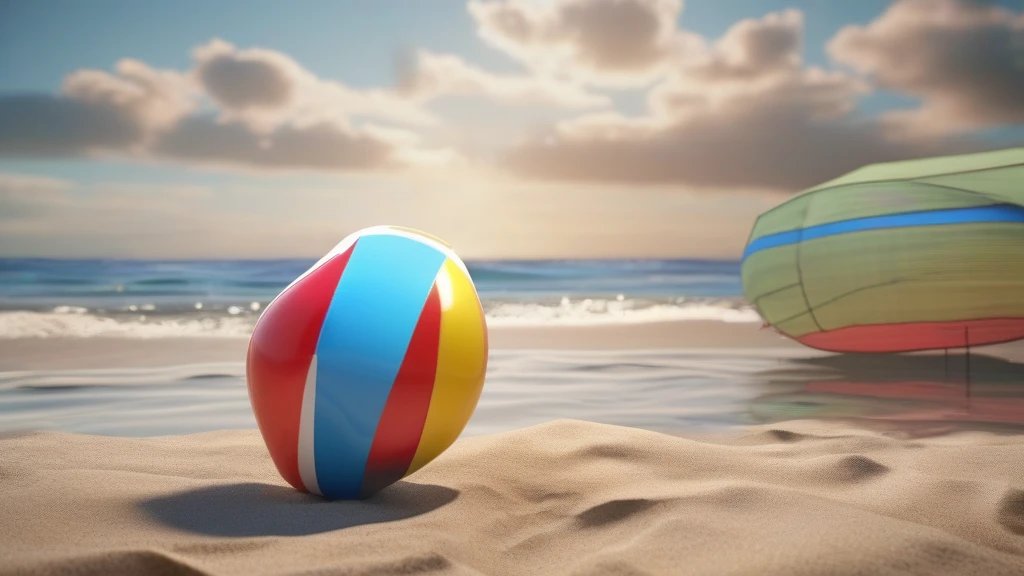
Beach balls are a staple for outdoor fun, whether at the beach, pool, or backyard. Their vibrant colors, buoyant design, and lightweight construction make them perfect for games and social activities. However, to enjoy your beach ball season after season, it’s crucial to use and store it properly. This guide will walk you through practical tips for safe use and effective storage so your beach ball stays in great shape for years to come.
Understanding Your Beach Ball’s Construction and Features
Before diving into usage and storage tips, it helps to know what makes modern beach balls durable and fun:
- Materials: Most beach balls are made from waterproof and durable materials such as PVC, nylon, neoprene, or eco-friendly plastics. These materials resist water damage and handle rough play.
- Safety Coatings: Child-safe, non-toxic coatings protect the surface, making them safe for all ages.
- UV Resistance: Many models include UV-resistant treatments to prevent fading and material breakdown from sun exposure.
- Inflation Features: Dual-valve systems and quick inflation valves enable easy setup and reduce the risk of overinflation.
- Additional Elements: Some beach balls include glow-in-the-dark or LED lighting for nighttime use, plus repair patches and storage bags for convenience.
Knowing these features helps you treat your beach ball according to its design limits and enhances its lifespan.
Safe Usage Practices to Protect Your Beach Ball
1. Inflate with Care
Proper inflation is critical. Overinflating can stretch the material excessively, increasing the risk of tears. Underinflating, on the other hand, reduces buoyancy and can cause the ball to deform.
- Use the recommended pump type—manual or electric—compatible with your ball’s valve.
- Inflate gradually, checking firmness frequently.
- Avoid using compressors or pumps that deliver high pressure quickly.
- When deflating, open the valve carefully to release air steadily.
2. Avoid Rough Surfaces and Sharp Objects
Beach balls are designed for fun but can be punctured by sharp objects or damaged by abrasive surfaces.
- Play on sand, grass, or pool water rather than concrete or rocky areas.
- Keep the ball away from sticks, shells, glass, or other debris.
- Avoid dragging the ball across rough ground.
3. Mind the Sun Exposure
While many beach balls are UV-resistant, prolonged exposure to direct sunlight can degrade the material over time.
- When not in use, shade your beach ball or store it indoors.
- Use UV-protective sprays if recommended by the manufacturer.
- Avoid leaving the ball inflated and exposed on hot days for extended periods, as heat can increase internal pressure.
4. Supervise Children Closely
For younger players, supervision ensures safe play and helps prevent accidental damage.
- Ensure the ball’s size and weight are appropriate for the child’s age.
- Monitor use around pools and open water to avoid safety hazards.
- Check the ball regularly for signs of wear or small punctures.
Proper Storage Techniques to Extend Your Beach Ball’s Life
1. Thorough Cleaning Before Storage
Sand, saltwater, sunscreen, and dirt can deteriorate the ball’s surface if left on.
- Rinse the ball with fresh water after each use.
- Wipe dry with a soft cloth to prevent mold or mildew growth.
- Allow the ball to air dry completely before packing away.
2. Deflate and Fold Carefully
Storing the ball inflated wastes space and risks overexpansion or deformation.
- Open the valve fully to release all air.
- Gently fold the ball, avoiding sharp creases or bends.
- Use any included storage bags or pouches to protect from dust and punctures.
3. Choose the Right Storage Location
Environmental factors like heat, moisture, and pests affect durability.
- Store in a cool, dry place away from direct sunlight.
- Avoid places prone to extreme temperature fluctuations, such as garages or attics.
- Keep the ball away from rodents or insects that may chew on the material.
4. Regular Inspection and Maintenance
Periodic checks help catch issues early.
- Inspect for small holes or leaks before each use.
- Use included repair patches promptly to fix punctures.
- Replace valves or accessories if damaged.
Additional Tips for Maximizing Beach Ball Longevity
Use Protective Accessories
Some beach balls come with repair kits or storage bags. Using these accessories properly helps maintain the ball’s condition and makes repairs easier when needed.
Rotate Usage Among Multiple Balls
If you frequently play with beach balls, rotating among several reduces wear on any single ball, extending overall lifespan.
Consider Eco-Friendly Options
Eco-conscious materials not only benefit the environment but often feature enhanced durability. Choosing beach balls made from recyclable or non-toxic materials aligns with sustainable play and can offer better longevity.
Conclusion
A beach ball can provide countless hours of outdoor enjoyment for families and friends when handled with care. By following safe inflation practices, avoiding rough surfaces, limiting sun exposure, and storing the ball properly, you’ll protect your investment and keep the fun going for many seasons. Regular cleaning, inspection, and using repair kits further ensure your beach ball remains vibrant, safe, and ready for your next beach or pool adventure.
With these tips, you can confidently make the most out of your beach ball, promoting fun, safety, and sustainability all at once.