
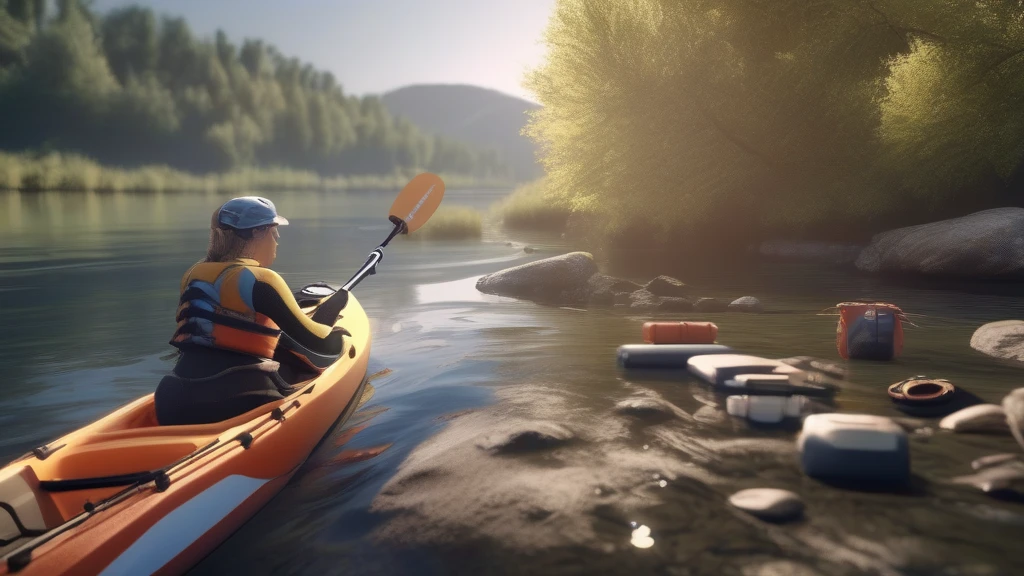
Paddling is a rewarding outdoor activity that combines adventure, fitness, and connection with nature. Whether you enjoy kayaking, canoeing, or rafting, having reliable, high-quality gear is essential to maximize your performance and ensure safety on the water. Upgrading your paddling equipment doesn’t necessarily mean buying a whole new boat or paddle—it often involves investing in the right accessories and maintenance supplies that improve durability, security, and usability.
In this article, we’ll explore practical ways to upgrade your paddling gear with a focus on mounting hardware, handles, fastening systems, and repair kits. You’ll learn how to select eco-friendly, corrosion-resistant components, perform straightforward installations, and maintain your gear for long-lasting performance. Whether you are a beginner or an experienced paddler, these tips will help you enjoy safer and more enjoyable outings.
Understanding the Importance of Quality Paddling Gear
Before diving into specific upgrades, it’s important to understand why quality gear matters. Paddling equipment is exposed to harsh environments—sunlight, saltwater, freshwater, and physical impacts—that can degrade materials quickly. Using subpar or worn-out hardware can lead to equipment failure, which poses safety risks on the water.
Upgrading with durable, weatherproof, and certified components:
- Enhances the longevity of your boat and accessories.
- Improves your control and comfort during paddling.
- Minimizes the chances of unexpected breakdowns.
- Demonstrates environmental responsibility by choosing eco-friendly materials.
Look for products made from marine-grade stainless steel, anodized aluminum, high-impact nylon, or composite plastics. These materials resist corrosion, UV damage, and physical wear while remaining lightweight and portable.
Essential Upgrades for Mounting Hardware
Mounting brackets, clamps, and hinges are fundamental for attaching accessories such as rod holders, GPS devices, or safety equipment to your kayak or canoe. Upgrading these parts can increase customization and convenience.
Choosing the Right Mounting Hardware
- Material: Stainless steel offers superior corrosion resistance, ideal for saltwater use. Anodized aluminum is lightweight and strong, while composite plastics are durable and non-corrosive but may have lower load capacity.
- Fit: Select universal mounting brackets for versatility, or brand-specific models for a perfect match.
- Installation: Look for quick-install designs with minimal tools required, or advanced mounting kits if you want a flush, professional finish.
- Features: Non-slip pads reduce vibration and protect your boat’s surface, while quick-release clamps enable fast attachment and removal of gear.
Installation Tips
- Clean and dry the mounting area thoroughly.
- Use marine-grade sealant around screw holes to prevent water intrusion.
- Pre-drill holes carefully to avoid cracking composite hulls.
- Tighten fasteners securely but avoid overtightening, which could damage fittings.
- Test the mounted accessory’s stability before heading out.
Upgrading Handles and Grip Systems
Handles are crucial for carrying, launching, and securing your watercraft. Worn or uncomfortable handles can hinder transportation and increase injury risk.
Selecting Durable and Comfortable Handles
- Opt for handles made with reinforced composite plastics or anodized aluminum frames combined with non-slip rubber grips.
- Look for ergonomic designs that distribute weight evenly.
- Consider handles with quick-release mechanisms for easy replacement or repositioning.
- Ensure handles have waterproof and UV-resistant coatings to withstand weather exposure.
Replacing or adding handles is generally a straightforward process that can be done with basic hand tools. Securely fasten new handles using corrosion-resistant screws or bolts, and verify they hold firm under load.
Fastening Systems: Clips, Straps, and Secure Gear Attachment
Keeping your gear secure during paddling trips is vital for safety and convenience. Upgrading fastening systems improves your ability to organize equipment and prevents loss or damage.
Benefits of Upgraded Fastening Systems
- Quick-release straps: Allow fast securing and release of gear, ideal for emergency situations.
- Heavy-duty clips and buckles: Provide strong hold even under rough conditions.
- Adjustable straps: Offer versatility for different gear sizes and shapes.
- UV-resistant and non-toxic materials: Ensure longevity and environmental safety.
When installing new fastening hardware, ensure compatibility with your boat’s existing attachment points. Use reinforced loops or D-rings, and replace worn straps regularly to maintain reliability.
Repair Kits and Sealants: Essential for On-the-Water Emergencies
Even with the best care, kayaks and canoes may sustain minor hull damage during paddling. Having the right repair kits and sealants on hand can make all the difference in prolonging your boat’s life and avoiding costly repairs.
How to Choose the Right Repair Kit
- Look for kits that match your boat’s material—PVC, polyethylene, fiberglass, or inflatable.
- Select marine-grade sealants that are waterproof, flexible, and UV-resistant.
- Consider eco-friendly, non-toxic formulations to reduce environmental impact.
- Kits that include patches, adhesives, sandpaper, and application tools offer comprehensive solutions.
Basic Repair Tips
- Clean and dry the damaged area thoroughly.
- Sand the surface lightly to improve adhesion.
- Apply sealant or adhesive evenly, following the manufacturer’s instructions.
- Use patches for punctures or tears, ensuring overlap beyond the damaged zone.
- Allow adequate curing time before re-exposing the boat to water.
Carrying a compact repair kit on all excursions increases preparedness and paddler confidence.
Seasonal Maintenance: Protecting Your Gear Year-Round
Upgrading your paddling gear also involves regular maintenance to preserve functionality and safety.
Key Maintenance Practices
- UV Protection: Apply marine-grade UV protectants to exposed surfaces to prevent cracking and fading.
- Waterproofing: Use sealants and waterproof sprays on fabric and foam components.
- Hardware Inspection: Check mounting brackets, screws, and straps for corrosion or wear and replace as needed.
- Cleaning: Remove salt, dirt, and debris after each outing to inhibit corrosion and material breakdown.
- Storage: Store boats and accessories in shaded, dry areas to minimize environmental damage.
A seasonal checklist helps you systematically care for your equipment and identify parts due for replacement or upgrade.
Conclusion
Upgrading your paddling gear is a smart investment that enhances both performance and safety on the water. By focusing on durable, eco-friendly mounting hardware, handles, fastening systems, and repair kits, paddlers can customize their boats, secure their gear, and respond effectively to emergencies. Regular maintenance and thoughtful product selection ensure your equipment lasts season after season, allowing you to enjoy every paddling adventure with confidence.
Taking these steps not only improves your personal paddling experience but also promotes sustainable practices that protect the waterways we all cherish. Whether you’re outfitting your first kayak or refining a seasoned canoe, upgrading your gear thoughtfully makes every trip safer and more enjoyable.