
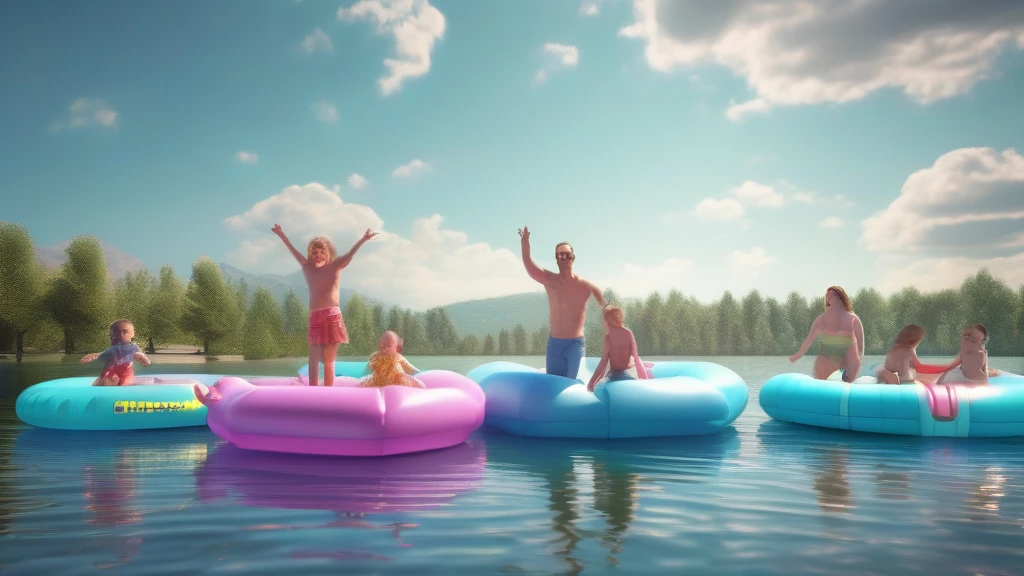
Inflatable bouncers have surged in popularity as a must-have for outdoor water fun, transforming lakes, pools, and calm seaside spots into vibrant playgrounds. These floating platforms invite users to bounce, jump, splash, and lounge, making aquatic recreation more engaging and social. With a growing variety of inflatable water bouncers available, it’s important to understand the differences in size, materials, styles, and features to select the best fit for your family or group.
In this comprehensive comparison, we’ll explore the key types and styles of inflatable water bouncers, highlight their unique characteristics, and provide practical advice to help you make an informed choice tailored to your aquatic adventures.
Understanding Inflatable Bouncer Types: Size and Capacity
One of the primary factors distinguishing inflatable bouncers is their size and user capacity. Most models span between 8 to 12 feet in diameter, designed to comfortably accommodate 2 to 4 users simultaneously.
Small Inflatable Bouncers (8-9 feet diameter)
- Capacity: Typically supports 2 users.
- Best For: Small families, couples, or children.
- Advantages: Easier to transport and inflate; ideal for pool use or small lakes.
- Limitations: Limited space for group play; may feel cramped for larger users.
Small bouncers excel in portability and quick setup, making them perfect for casual users who want easy, low-maintenance aquatic fun. Their compact size also means less surface area exposed to wind, increasing stability in mild conditions.
Medium Inflatable Bouncers (10 feet diameter)
- Capacity: Supports 3 users comfortably.
- Best For: Families with children and friends looking for moderate group play.
- Advantages: Balanced size for social interaction without sacrificing portability.
- Limitations: Slightly longer inflation time; requires a bit more storage space.
Medium-sized inflatables strike a practical balance between space and ease of use. Their size makes them versatile for pool parties, lake outings, or beach days, accommodating a mix of kids and adults.
Large Inflatable Bouncers (11-12 feet diameter)
- Capacity: Designed for up to 4 users.
- Best For: Larger families and groups seeking high-energy, social water play.
- Advantages: Spacious bouncing area; high entertainment value.
- Limitations: Bulkier and heavier when deflated; longer setup and inflation times.
Large bouncers cater to thrill-seekers and active users who prioritize group play and dynamic movement. Their robust size enhances stability on water and allows multiple users to jump and bounce simultaneously, amplifying the fun.
Material Matters: Durability and Safety Features
The quality of materials used in inflatable bouncers is crucial for longevity, safety, and performance. Most premium water bouncers employ high-grade, puncture-resistant PVC or reinforced vinyl fabrics.
High-Quality PVC/Vinyl
- Characteristics: Thick, durable, and resistant to punctures and abrasions.
- Benefits: Ensures the inflatable withstands rough surfaces like lake rocks or sandy beaches; extends product life.
- Safety: Provides stable buoyancy and structural integrity to prevent sudden deflation.
Investing in a bouncer made from robust PVC or vinyl not only enhances safety but also reduces the risk of leaks and tears during active play. Look for models that specify reinforced seams and heavy-duty fabric coatings, which add resilience.
Inflatable Platform Design and Stability
Many inflatable water bouncers feature wide, flat platforms with a slightly raised edge or rim to prevent accidental slips into the water. Some designs include multiple air chambers, so if one section deflates, the rest remain buoyant—great for added safety.
Bright, eye-catching color schemes—such as combinations of blue, red, orange, and yellow—improve visibility on water, which is a key safety feature in open aquatic environments.
Style and Design Variations: Function Meets Fun
While all inflatable water bouncers share the core function of floating and bouncing, styles vary in terms of additional features and aesthetics.
Classic Round Bouncers
- Description: Circular, flat platforms with smooth bouncing surfaces.
- Appeal: Simplicity and versatility; suitable for all ages.
- Use Case: Ideal for families looking for straightforward, no-frills aquatic fun.
Classic round bouncers are the most common and user-friendly, offering a stable platform for bouncing and lounging. Their minimalistic design makes them easy to inflate and maintain.
Multi-Section or Modular Bouncers
- Description: Bouncers divided into segments or with attached inflatable cushions.
- Appeal: Adds variety in play, such as designated areas for sitting vs. bouncing.
- Use Case: Great for groups wanting differentiated zones for active bouncing and resting.
Some modular designs provide special features like built-in cup holders or small inflatable seats, enhancing comfort during lounging periods. These styles cater to families who desire both energy and relaxation in one product.
Adventure or Themed Styles
- Description: Inflatable bouncers with vibrant patterns or shapes that evoke fun themes.
- Appeal: Eye-catching and playful aesthetics.
- Use Case: Perfect for pool parties or lakeside events where visual appeal and excitement matter.
While functionally similar to classic models, themed designs boost the fun factor and encourage imaginative play, especially for children.
Portability, Setup, and User Experience
Another important consideration is how easy it is to transport, inflate, and store the bouncer.
- Ease of Inflation: Most inflatable water bouncers can be inflated using electric pumps within 5-10 minutes. Some models come with built-in valves that expedite inflation and deflation.
- Portability: Smaller and medium-sized bouncers are lighter and fold down compactly, making them travel-friendly for lake vacations or beach trips.
- Storage: Deflated bouncers should be stored in dry, shaded areas to prevent material degradation. Models with included storage bags simplify organization.
Choosing a bouncer with user-friendly features like quick-inflate valves and durable carry bags enhances the overall experience, especially for casual or infrequent users.
Matching Inflatable Bouncers to Your Needs
For Families with Young Children
A medium-sized bouncer (around 10 feet) made of puncture-resistant PVC with multi-chamber inflation offers a safe, stable platform. Bright colors improve visibility, and a classic round design keeps things simple. Look for models emphasizing ease of setup to accommodate spontaneous play.
For Active Groups and Thrill-Seekers
Large bouncers (11-12 feet) with reinforced materials and modular designs provide ample space for multiple users to jump and bounce energetically. Consider models with extra safety features like raised edges and multiple air compartments. Bold, vibrant color schemes add to the excitement.
For Casual Pool Users and Beginners
Small bouncers (8-9 feet) that are lightweight and quick to inflate suit casual users best. Prioritize portability and simple design for quick, hassle-free aquatic fun.
Conclusion: Making the Right Choice
Selecting the ideal inflatable water bouncer hinges on balancing size, capacity, materials, and design features with your intended use and user group. Whether you favor the compact convenience of a small bouncer or the expansive play area of a large, modular platform, prioritizing durability, safety, and ease of use ensures a rewarding aquatic experience.
By understanding the nuances of inflatable bouncer types and styles, you can confidently choose a product that transforms your water outings into memorable adventures filled with active, social fun for all ages.