
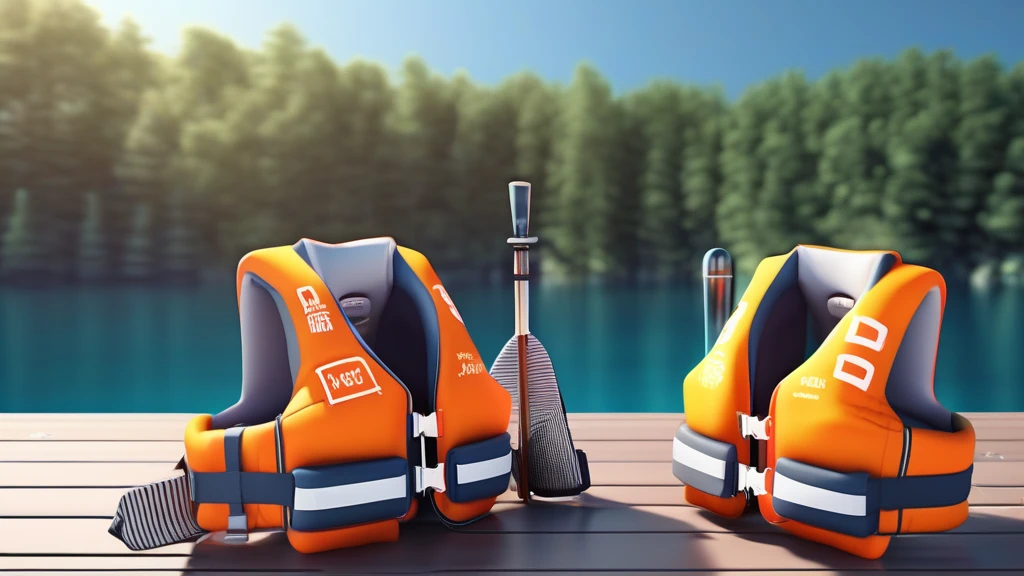
When it comes to boating and water sports, safety is paramount. A reliable life jacket is a critical piece of gear that can save lives in emergencies. Among the many options available, two main types of personal flotation devices stand out: inflatable life jackets and foam life jackets. Each type offers unique advantages and considerations depending on your water activity, environment, and personal preferences. This article explores the differences between inflatable and foam life jackets, helping you make an informed decision tailored to your boating needs.
Understanding Life Jacket Basics
Before diving into the comparison, it’s important to understand the general characteristics and classifications of life jackets. The U.S. Coast Guard categorizes life jackets into types based on buoyancy and intended use:
- Type I: Offshore life jackets with maximum buoyancy, designed for rough or remote waters.
- Type II: Near-shore buoyancy aids suitable for calm waters.
- Type III: Recreational life jackets offering comfort and moderate buoyancy.
- Type IV: Throwable devices like cushions and ring buoys.
- Type V: Specialized or hybrid devices designed for specific activities.
Both inflatable and foam life jackets can meet these types, but their construction and use cases vary significantly.
Foam Life Jackets: Traditional Reliability and Continuous Buoyancy
What Are Foam Life Jackets?
Foam life jackets use closed-cell or hybrid foam as the flotation core, encapsulated with durable outer fabrics such as ripstop nylon or marine-grade polyester. These jackets provide inherent buoyancy without requiring activation, meaning they are always “on.”
Advantages of Foam Life Jackets
- Immediate Buoyancy: Foam jackets provide constant flotation, so they don’t depend on user action or inflation mechanisms.
- Durability in Harsh Conditions: Their sturdy materials resist UV damage, saltwater corrosion, and rough handling, making them ideal for commercial mariners and heavy use.
- Simplicity and Low Maintenance: Without mechanical parts, foam jackets require less upkeep and are less prone to failure.
- Suitable for All Ages and Activities: Foam jackets come in sizes and designs for children, adults, and specialized uses like kayaking or fishing.
- Visibility and Safety Features: Many include bright colors, reflective tape, whistles, and rescue handles to enhance safety.
Considerations When Using Foam Life Jackets
- Bulkier and Heavier: Foam jackets tend to be thicker and less compact, which can restrict mobility or comfort during prolonged wear.
- Less Comfortable for Active Use: For activities like paddleboarding or sailing, the added bulk may interfere with paddling or maneuvering.
- Aesthetics and Style: Some users find foam jackets less sleek or stylish compared to inflatable alternatives.
Inflatable Life Jackets: Compact Convenience with On-Demand Flotation
What Are Inflatable Life Jackets?
Inflatable life jackets feature a compact foam or fabric vest with an inflatable bladder that inflates automatically upon immersion in water or manually by pulling a cord. The bladder provides the necessary buoyancy to keep the wearer afloat.
Advantages of Inflatable Life Jackets
- Low Profile and Lightweight: Inflatable jackets are slim and comfortable, allowing greater freedom of movement for activities like kayaking, sailing, or paddleboarding.
- Compact and Portable: Their foldable design makes them easy to stow onboard or carry during travel.
- High Buoyancy on Demand: Once inflated, they provide effective flotation often exceeding foam jackets’ buoyancy.
- Modern Safety Features: Many models include integrated emergency lights, reflective strips, and quick-release buckles.
- Eco-Friendly Options: Some inflatables incorporate biodegradable coatings and recyclable materials, aligning with sustainability trends.
Important Considerations for Inflatable Life Jackets
- Dependent on Inflation Mechanism: Since buoyancy is not constant, inflation must occur to provide flotation, which may be automatic (via water sensor) or manual.
- Maintenance Requirements: Regular inspection and servicing of CO2 cartridges, inflators, and valves are essential to ensure proper function.
- Not Suitable for All Activities: Inflatable jackets are generally not approved for children under a certain age, non-swimmers, or high-risk offshore conditions.
- Potential for Mechanical Failure: Damage or malfunction in inflation components can compromise safety.
Choosing Between Inflatable and Foam Life Jackets
Activity and Environment
- Offshore Boating and Commercial Use: Foam life jackets (Type I or II) are often preferred for their constant buoyancy and reliability in rough water.
- Recreational Paddling and Sailing: Inflatable life jackets offer comfort and mobility needed for active water sports, provided regular maintenance is performed.
- Family and Youth Use: Foam jackets are generally recommended for children and non-swimmers due to their always-on flotation.
- Emergency Rescue Operations: Both types have roles, but foam jackets ensure immediate flotation in unpredictable scenarios.
Comfort and Fit
Proper fit is critical regardless of jacket type. Foam life jackets should fit snugly without restricting movement, while inflatable jackets require a proper seal and secure adjustment to function correctly. Features like adjustable straps, reinforced buckles, and ergonomic designs improve fit and comfort.
Safety Certification and Features
Ensure any life jacket—foam or inflatable—is certified by recognized authorities such as the U.S. Coast Guard, ISO, CE, or TÜV. Look for high-visibility colors, reflective elements, whistle attachments, rescue handles, and compatibility with emergency light mounts to enhance rescue readiness.
Maintenance and Longevity
- Foam Jackets: Inspect fabric for tears, foam for water absorption, and hardware for corrosion. Clean regularly with fresh water and mild soap.
- Inflatable Jackets: Check CO2 cartridges, inflators, and bladder integrity frequently. Replace cartridges after use or periodically as recommended by the manufacturer.
Environmental Considerations in Life Jacket Selection
Sustainability is becoming a key factor in boating gear choices. Many manufacturers now use eco-conscious materials such as recyclable foams, biodegradable coatings, and low-impact manufacturing processes. Selecting a life jacket with these features supports environmental stewardship without compromising safety.
Final Thoughts: Balancing Safety, Comfort, and Purpose
Both inflatable and foam life jackets have proven safety records and specific benefits. The best choice depends on your boating style, safety requirements, and personal comfort. Foam life jackets offer reliable, always-on flotation suitable for a broad range of users and conditions. Inflatable jackets provide a sleek, comfortable alternative ideal for active water sports and those prioritizing portability.
By understanding the features, advantages, and limitations of each type, you can select a life jacket that not only meets regulatory standards but also fits your lifestyle and water adventures. Remember, regardless of the type you choose, wearing a properly fitted and certified life jacket is the most effective way to enhance your safety on the water.