
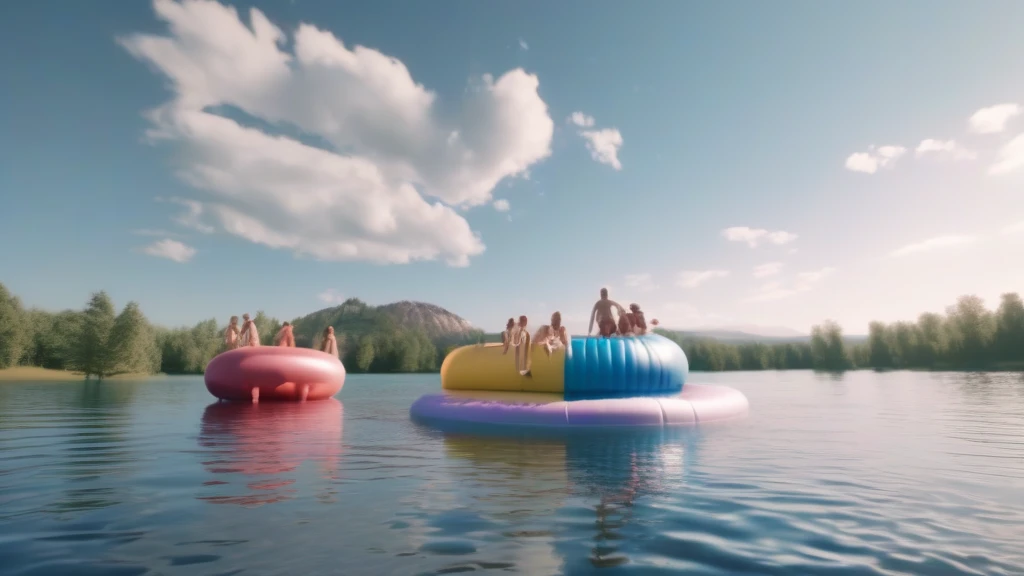
Outdoor aquatic play has taken a leap forward with the advent of inflatable bouncers—vibrant, buoyant platforms designed to turn any calm water setting into a playground. These water bouncers, ranging from 8 to 12 feet in diameter and supporting two to four users simultaneously, offer hours of active fun for families and groups alike. When choosing the perfect water bouncer, one key decision is between traditional inflatable bouncers and rigid inflatable bouncers (RIBs). Understanding the differences in durability, design, and usability can help you select the right option for your aquatic adventures.
In this article, we’ll explore the pros and cons of inflatable versus rigid inflatable bouncers, highlighting their distinct features, construction materials, and suitability for different users and water environments.
Understanding the Basics: Inflatable vs Rigid Inflatable Bouncers
Traditional Inflatable Bouncers
Traditional inflatable bouncers are fully inflatable platforms made from high-quality, puncture-resistant vinyl or PVC materials. Their entire structure—base, sides, and bouncing surface—is air-filled, creating a buoyant, cushioned area ideal for bouncing, jumping, and lounging on lakes, pools, or calm seaside areas.
Key Characteristics:
- Material: Heavy-duty, waterproof PVC or vinyl with reinforced seams.
- Dimensions: Typically 8 to 12 feet in diameter, supporting 2 to 4 users.
- Design: Bright, eye-catching colors like blue, red, orange, and yellow for visibility and safety.
- Portability: Lightweight when deflated, easy to carry and store.
- Setup: Quick inflation using electric or manual pumps.
- Use: Emphasizes soft, bouncy surfaces for active play and relaxation.
Rigid Inflatable Bouncers (RIBs)
Rigid inflatable bouncers incorporate a solid or semi-rigid base made from durable materials such as hard plastic or composite, combined with inflatable side tubes or edges. This hybrid construction offers enhanced stability and structure while maintaining some of the buoyancy and flexibility of traditional inflatables.
Key Characteristics:
- Material: Sturdy rigid base (e.g., molded plastic or fiberglass) with inflatable PVC tubes for buoyancy.
- Dimensions: Similar size range (8 to 12 feet), with capacity for multiple users.
- Design: Often sport bolder, more structured shapes with vibrant colors.
- Portability: Heavier and bulkier due to the rigid components, requiring more effort for transport.
- Setup: Inflatable sections inflate quickly, but the rigid base requires minimal assembly.
- Use: Offers enhanced stability for dynamic activities and rougher water conditions.
Durability Comparison: Which Withstands Water Play Better?
Material Strength and Puncture Resistance
-
Traditional Inflatable Bouncers: Constructed from thick, puncture-resistant vinyl or PVC, these bouncers are designed to withstand typical aquatic environments. Reinforced seams and double-layered bottoms provide resistance against sharp objects like sticks or rocks in lakes or pools. However, their fully inflatable nature makes them more susceptible to punctures or leaks if not handled carefully.
-
Rigid Inflatable Bouncers: The rigid base provides a solid foundation that can resist abrasion and impact better than a fully inflatable platform. The inflatable side tubes add buoyancy but are less exposed to puncture risks as they often sit above the waterline. This combination makes RIBs more durable for environments with rougher surfaces or occasional bumps against docks or rocks.
Stability and Structural Integrity
-
Traditional Inflatable Bouncers: Their buoyancy is evenly distributed, offering a soft, bouncy surface that is great for jumping and relaxing. However, in choppy water or with multiple energetic users, the lack of a rigid base can lead to wobbling or tilting, which may reduce overall stability.
-
Rigid Inflatable Bouncers: The solid base enhances stability, reducing rocking and tipping risks. This makes RIBs suitable for more active play and slightly rougher water conditions, providing confidence for both children and adults during use.
Weather and UV Resistance
Both types usually incorporate UV-resistant coatings to prevent fading and material degradation from sun exposure. However, the rigid bases of RIBs tend to resist cracking or warping better over prolonged use in sun and heat, contributing to longer product life.
Ease of Use: Setup, Portability, and Maintenance
Setup and Inflation
-
Traditional Inflatable Bouncers: Usually require inflation of the entire unit, which can take several minutes with an electric pump. Their lightweight, fully inflatable design makes the process straightforward and quick for casual users.
-
Rigid Inflatable Bouncers: Inflate only the side tubes or edges, while the rigid base is pre-assembled or snaps into place. This can reduce inflation time but may add complexity to initial setup. Users may need additional storage space or transport arrangements for the rigid parts.
Portability
-
Traditional Inflatable Bouncers: When deflated, they pack down into compact bags and can be easily transported in cars or stored in small spaces, making them ideal for spontaneous outings or vacations.
-
Rigid Inflatable Bouncers: Due to their solid components, they are bulkier and heavier, requiring larger vehicles or more planning for transport. This makes them better suited for seasonal or fixed-location use rather than casual, on-the-go fun.
Cleaning and Maintenance
-
Traditional Inflatable Bouncers: Require careful inspection for leaks or punctures before and after each use. Regular cleaning with mild soap and water helps maintain the PVC’s integrity. Repair kits for patching holes are often included.
-
Rigid Inflatable Bouncers: The rigid base can be hosed down and scrubbed more vigorously without damage. Inflatable tubes still require the same gentle care as traditional inflatables. Overall, RIBs may demand less frequent repairs due to their robust structure.
Safety Considerations for Families and Groups
Both inflatable and rigid inflatable bouncers prioritize safety with bright colors for visibility and materials designed to be slip-resistant and comfortable. However, there are differences:
-
Traditional Inflatable Bouncers: Their soft, fully inflatable surface cushions falls and reduces injury risk. They are excellent for younger children and casual users who want a gentle bouncing experience.
-
Rigid Inflatable Bouncers: The firm base provides a stable platform but may be harder underfoot, making proper supervision essential for younger children. The enhanced stability reduces tipping, which is an advantage for active users or larger groups.
Which Should You Choose? Matching Features to Your Needs
| Feature | Traditional Inflatable Bouncers | Rigid Inflatable Bouncers (RIBs) |
|---|---|---|
| Durability | Good for typical lake and pool use | Superior resistance to abrasion and impact |
| Stability | Soft, bouncy, more prone to wobbling | Stable, firm platform suitable for active play |
| Portability | Lightweight, easy to pack and transport | Bulkier, requires more space and planning |
| Setup Time | Full inflation required, fairly quick | Partial inflation plus assembly needed |
| Safety for Kids | Cushioned surface ideal for younger kids | Stable base good for older kids and adults |
| Suitability | Casual family outings, pool parties | More rugged use—lake vacations, beach days with moderate waves |
| Maintenance | Requires regular inspection for leaks | Easier cleaning, fewer repairs needed |
Practical Tips for Choosing and Using Your Water Bouncer
Consider Your Typical Water Environment
If you plan to use the bouncer mainly in calm pools or gently flowing lakes, a traditional inflatable bouncer’s lightweight design and soft surface may be ideal. For use in natural water bodies with occasional roughness or near docks, a rigid inflatable bouncer provides extra durability and stability.
Match Size and Capacity to Your Group
Both bouncer types come in sizes supporting 2 to 4 users, with diameters from 8 to 12 feet. Consider how many people will typically use the bouncer simultaneously. Larger diameters offer more space for bouncing and lounging but require more storage and inflation time.
Prioritize Safety Features
Look for models with bright, visible colors and slip-resistant surfaces. Always supervise children during use, regardless of bouncer type, and ensure the bouncer is securely anchored if used in open water.
Plan for Storage and Transport
If you have limited vehicle space or want a bouncer for occasional use, a traditional inflatable bouncer’s portability is advantageous. For longer-term setups or frequent use in varied water conditions, investing in a rigid inflatable bouncer may pay off in durability and performance.
Conclusion
Both traditional inflatable and rigid inflatable bouncers bring unique benefits to aquatic play. Traditional inflatables excel in portability, ease of setup, and soft, cushioned fun, making them perfect for families seeking casual and safe water recreation. Rigid inflatable bouncers offer enhanced durability and stability, suited for more active users and varied water environments where ruggedness and safety are priorities.
By carefully considering your typical use cases, group size, and preferences for portability versus durability, you can select the inflatable water bouncer that will provide lasting enjoyment and memorable aquatic experiences for your family and friends.
Whether you choose the buoyant softness of a traditional inflatable or the steady foundation of a rigid inflatable, these water bouncers transform ordinary lakes, pools, and beaches into vibrant playgrounds full of bouncing, splashing, and laughter.