
When it comes to aquatic recreation, selecting the right equipment can transform your time on the water into an unforgettable experience. Two popular choices for water enthusiasts are inflatable water bouncers and paddle boards. Both offer fun and engaging ways to interact with lakes, pools, and calm seaside areas, but they serve different purposes and appeal to varied user preferences. This article explores the key differences between inflatable water bouncers and paddle boards to help you decide which aquatic equipment suits your lifestyle and recreational goals best.
Understanding Inflatable Water Bouncers
What Are Inflatable Water Bouncers?
Inflatable water bouncers are large, floating platforms made from durable, puncture-resistant materials designed specifically for recreational bouncing, jumping, lounging, and splashing on water. Typically ranging from 8 to 12 feet in diameter, these bouncers comfortably accommodate 2 to 4 users, making them ideal for family outings or small groups.
Key Features
- Spacious Design: Their generous size supports multiple users simultaneously, encouraging social play.
- Durable Construction: High-quality materials ensure safety and stability, resisting punctures and wear.
- Vibrant Colors: Bright colors like blue, red, and yellow improve visibility and add visual appeal.
- Ease of Use: Quick inflation and deflation make setup and transportation hassle-free.
- Versatility: Suitable for use in pools, lakes, and calm seaside environments.
Ideal Users and Use Cases
Inflatable water bouncers are perfect for families with children, casual water users, and anyone looking for a safe, interactive aquatic playground. They provide an active experience through bouncing and jumping, but also offer relaxing spots for sunbathing or socializing on the water.
Exploring Paddle Boards
What Is a Paddle Board?
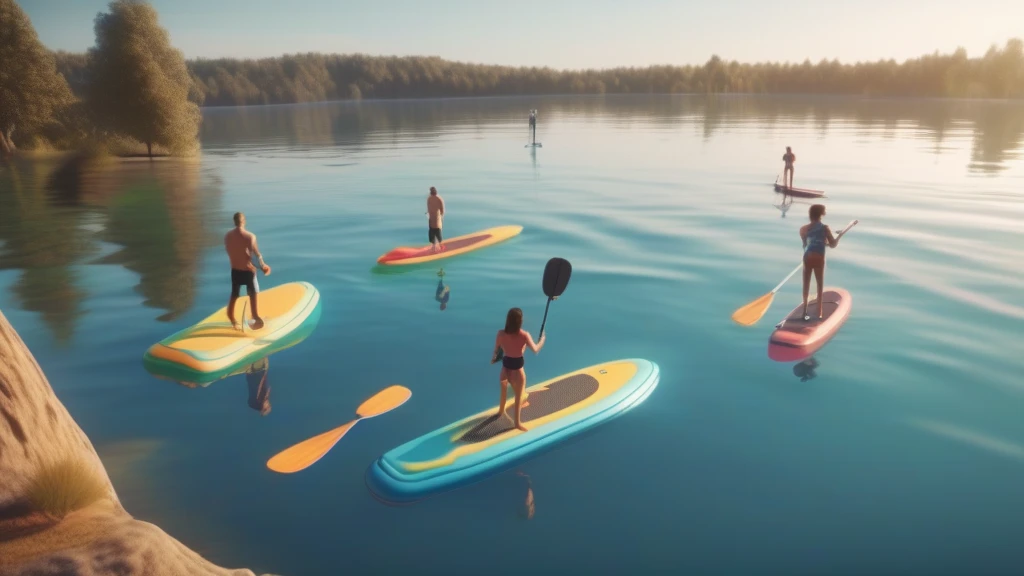
A paddle board is a long, narrow board designed for standing or kneeling while propelling yourself across the water with a paddle. Inflatable and rigid models exist, but inflatable paddle boards have gained popularity due to their portability and ease of storage.
Key Features
- Balance and Core Engagement: Requires balance and coordination, offering a full-body workout.
- Portability: Inflatable versions deflate for easy transport and storage.
- Versatility: Suitable for lakes, calm seas, and even some river conditions.
- Variety of Styles: Different board sizes and shapes accommodate beginners to advanced paddlers.
Ideal Users and Use Cases
Paddle boards appeal to fitness enthusiasts, adventure seekers, and individuals interested in exploring waterways at their own pace. They offer a combination of physical exercise and the opportunity to connect with nature in a peaceful, controlled manner.
Comparing Inflatable Water Bouncers and Paddle Boards
| Feature | Inflatable Water Bouncers | Paddle Boards |
|---|---|---|
| Primary Activity | Bouncing, jumping, lounging, social play | Paddling, balancing, exploring |
| User Capacity | 2 to 4 users simultaneously | Usually 1 user per board |
| Physical Demand | Low to moderate; active play | Moderate to high; requires balance and strength |
| Setup and Portability | Inflates quickly; portable but bulkier | Inflatable models deflate compactly; easy to carry |
| Suitable Environments | Pools, lakes, calm seaside areas | Lakes, calm seas, rivers |
| Age Range | Children to adults; family-friendly | Teens to adults; often suited for fitness enthusiasts |
| Social Interaction | High; designed for group fun | Low; typically a solo or paired activity |
| Safety Considerations | Stable platform with safety features | Requires balance; potential for falls |
| Exercise Benefits | Light activity; encourages movement and play | Excellent full-body workout; improves balance |
Which Should You Choose?
Consider Your Activity Preferences
- If your goal is active, social water play with family and friends, inflatable water bouncers offer a dynamic, interactive platform perfect for bouncing, splashing, and relaxing together.
- If you prefer solo or paired exploration with a focus on fitness, balance, and tranquility, paddle boards provide a rewarding way to engage with the water more intimately.
Reflect on User Age and Skill Level
- Inflatable water bouncers are generally more accessible for all ages, including young children and those less confident in water sports.
- Paddle boarding requires a degree of balance and coordination, making it more suitable for teens and adults comfortable with physical activity on water.
Think About Space and Portability
- Inflatable water bouncers, while portable, tend to be larger and bulkier, requiring more storage space and effort to transport.
- Inflatable paddle boards deflate into compact packages, ideal for those with limited storage or who travel frequently.
Evaluate Your Water Environment
- Both options perform best in calm waters, but paddle boards provide more versatility for exploration across different water settings.
- Water bouncers excel in contained environments like pools or calm lake areas where group play is prioritized.
Tips for Safe and Enjoyable Use
Inflatable Water Bouncers
- Always supervise children and inexperienced swimmers when using water bouncers.
- Ensure proper inflation to maximize stability.
- Avoid overcrowding beyond the recommended user capacity.
- Use in calm water conditions to prevent drifting and maintain safety.
- Employ personal flotation devices where appropriate.
Paddle Boards
- Wear a life jacket or personal flotation device.
- Start paddling in calm, shallow waters to build confidence.
- Use a leash to keep the board attached to you.
- Learn proper paddling techniques to avoid injury.
- Check weather and water conditions before heading out.
Maintenance and Storage Considerations
Inflatable Water Bouncers
- Rinse with fresh water after use to remove chlorine or salt.
- Dry thoroughly before storage to prevent mold and mildew.
- Store in a cool, dry place away from direct sunlight.
- Regularly inspect for punctures or wear; patch promptly if found.
Paddle Boards
- Clean with fresh water post-use.
- Allow to dry fully before deflating and packing away.
- Avoid prolonged sun exposure to preserve material integrity.
- Store in a protective bag or cover when not in use.
Final Thoughts
Choosing between an inflatable water bouncer and a paddle board depends largely on your preferred style of aquatic recreation, the users involved, and the environments you frequent. Inflatable water bouncers offer vibrant, social, and playful experiences ideal for families and groups seeking active fun on the water. Paddle boards, on the other hand, cater to those looking for a more solitary or paired adventure that combines exercise with the serenity of gliding across water.
By understanding the distinct benefits and considerations of each, you can select the aquatic equipment that aligns with your lifestyle and ensures hours of safe, enjoyable water activities. Whether bouncing with friends or paddling in peaceful waters, both options promise unique ways to make the most of your time outdoors.