
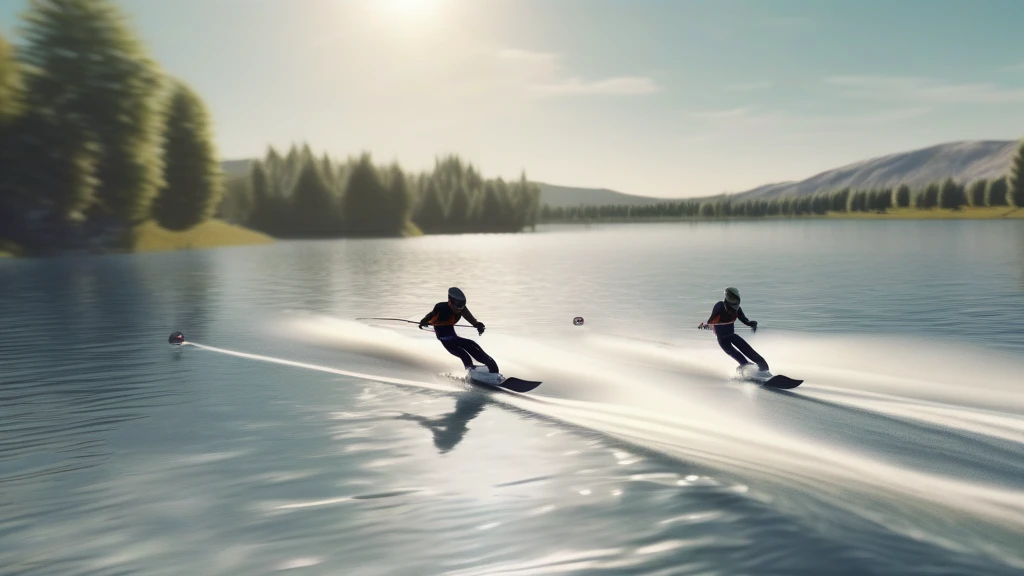
Water skiing is a thrilling sport that combines skill, strength, and precision. For competitive athletes, success on the water hinges not only on their physical abilities but also on the careful selection and expert use of specialized gear. In the demanding world of competitive water skiing, understanding the nuances of equipment—from materials and design to customization and safety—is essential for peak performance. This article explores how elite water skiers choose and use their gear, shedding light on the technology and considerations that set the pros apart.
Understanding the Varieties of Water Skis for Competition
Competitive water skiing encompasses several distinct disciplines, each requiring specific types of skis optimized for different performance attributes:
Slalom Skis: Speed and Agility
Slalom skiing involves navigating a zigzag course of buoys at high speeds. Slalom skis are typically narrow and long, designed for sharp turns and rapid acceleration. Their streamlined shape minimizes drag, allowing athletes to maintain control at extreme speeds.
Trick and Freestyle Skis: Maneuverability and Control
Freestyle water skiing focuses on aerial tricks and spins. Skis in this category are shorter and wider, providing increased stability during complex maneuvers. Their design facilitates quick edge changes and smooth landings.
Jump Skis: Stability and Distance
Jump skis are longer and broader than slalom skis, built to provide maximum lift and stability during high-speed approaches and long-distance jumps. Their construction absorbs impact and supports the skier’s balance upon landing.
Show Skis: Visibility and Team Performance
Used predominantly in team shows and exhibitions, these skis prioritize comfort and ease of use over speed or tricks. They often have wider platforms to support choreographed formations and synchronized routines.
Materials and Technologies: The Backbone of Performance
Elite water skis are crafted from advanced materials engineered to maximize performance, durability, and user comfort. Understanding these materials helps in appreciating how professional athletes get the most out of their equipment.
Carbon Fiber and Kevlar: Lightweight Strength
Carbon fiber and Kevlar reinforcements are common in top-tier skis, offering an excellent strength-to-weight ratio. These materials reduce overall ski weight without sacrificing rigidity, enabling faster response times and improved maneuverability.
Fiberglass and Polyurethane Cores: Flexibility and Shock Absorption
Fiberglass layers provide flexibility, allowing skis to absorb shocks and adapt to water conditions. Polyurethane cores contribute to buoyancy and impact resistance, enhancing comfort during high-intensity runs.
Aluminum Reinforcements: Structural Integrity
Strategically placed aluminum components increase the durability of skis, particularly in stress-prone areas. This reinforcement ensures longevity and maintains ski shape over time, critical for consistency in competition.
Eco-Friendly Manufacturing: Sustainability in Sports Gear
Many manufacturers are incorporating sustainable practices, such as using recycled materials and non-toxic resins, to reduce environmental impact. This conscious approach aligns with growing athlete and consumer demand for eco-responsible gear.
Customization: Tailoring Gear for Optimal Performance
One of the hallmarks of elite water skiing gear is its adaptability. Athletes frequently customize bindings, fins, and boots to suit their style, body mechanics, and water conditions.
Adjustable Fins: Control and Stability
Fins affect the ski’s grip on water and turning capability. Adjustable and detachable fins allow skiers to fine-tune their setup for different courses or water states, balancing speed and control.
Bindings and Boots: Comfort Meets Precision
Bindings must securely hold the foot while allowing quick release in emergencies. Ergonomic designs with anti-slip surfaces and cushioned interiors provide support and reduce fatigue during prolonged sessions. Custom-molded boots can further enhance comfort and responsiveness.
Quick-Release Safety Features
Safety is paramount, especially at competitive speeds. Many skis include quick-release bindings that disengage under excessive force, reducing injury risk during falls.
Selecting the Right Ski: Factors Elite Athletes Consider
Choosing the perfect ski involves evaluating multiple factors beyond just discipline type. Elite athletes weigh these considerations carefully to match gear with their goals:
Skill Level and Experience
Even within competitive ranks, experience influences ski choice. Beginners in competition may opt for more stable skis, while seasoned pros seek highly responsive, less forgiving models that reward technical skill.
Water Conditions
Calm lakes and choppy rivers demand different ski characteristics. For rough conditions, skis with enhanced shock absorption and stability are preferred, whereas smooth water allows for lighter, speed-optimized skis.
Body Type and Weight
Ski size and stiffness must harmonize with the skier’s weight and strength to maximize control and prevent fatigue. Adjustable components help compensate for these personal factors.
Event-Specific Requirements
Different competitions may have specific equipment regulations or favored ski types. Athletes must balance compliance with performance needs.
Maintenance and Care: Prolonging Performance and Safety
Proper upkeep is crucial for maintaining the integrity and safety of competitive water skis. Elite athletes adopt disciplined maintenance routines:
- Rinse After Use: Freshwater rinsing removes salt, dirt, and debris that can degrade materials.
- Inspect Bindings and Fins: Regular checks ensure components are secure and functioning correctly.
- Store Properly: Skis are stored in breathable bags away from direct sunlight to prevent UV damage and warping.
- Repair Promptly: Minor scratches or dings should be addressed quickly using repair kits to avoid structural issues.
- Professional Servicing: Periodic professional inspections can identify hidden damage or wear.
Portability and Travel: Managing Gear for Competitive Circuits
Competitive water skiers often travel extensively. Portability features such as lightweight construction, foldable designs, and protective carry bags help athletes transport gear safely and efficiently. Many also carry compact repair kits to handle quick fixes on the road.
Safety Certifications: Trusting Proven Standards
Elite athletes prioritize equipment certified by recognized bodies, ensuring gear meets stringent safety and quality benchmarks. Certifications such as ISO, CE, TÜV, and Marine Safety validate that skis and components perform reliably under competitive stresses.
Conclusion
Competitive water skiing is a complex sport where the synergy between athlete and equipment defines success. Elite water skiers invest significant effort into selecting, customizing, and maintaining specialized gear tailored to their disciplines, physical attributes, and environmental conditions. Advances in materials and design empower athletes to push limits while staying safe and comfortable. Understanding these intricacies offers valuable insights not only for aspiring competitors but also for enthusiasts aiming to elevate their water skiing experience.
By appreciating the technology and thoughtful choices behind competitive water skiing gear, readers can make informed decisions that enhance performance, enjoyment, and safety on the water.