
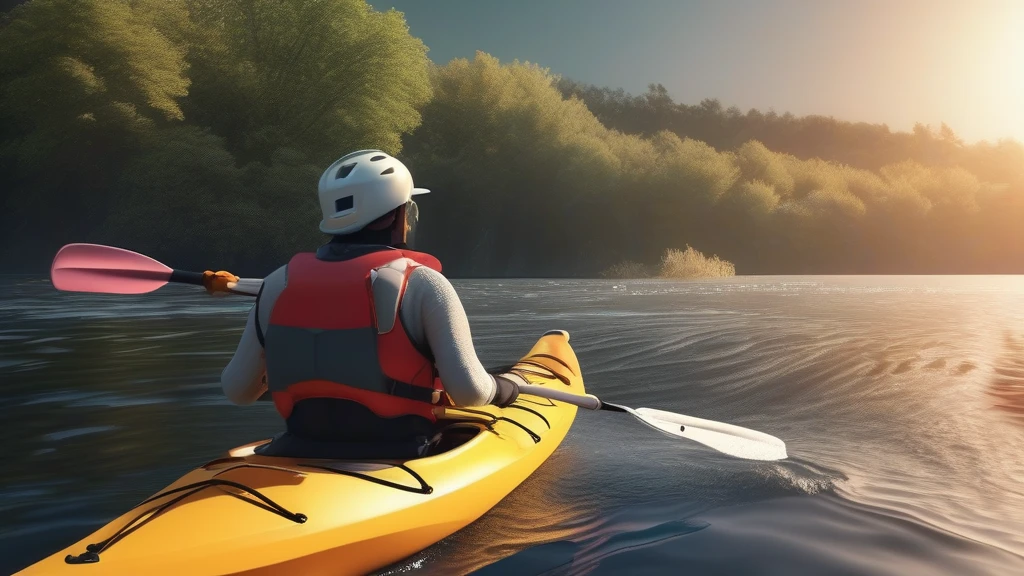
Kayaking is an exhilarating way to explore waterways, enjoy nature, and get a great workout. Whether you’re paddling a calm lake or navigating brisk river currents in a tandem kayak, safety should always be your top priority. Tandem kayaks—designed for two or more occupants—offer unique opportunities and challenges that demand preparedness, proper gear, and sound techniques. This comprehensive guide covers the essential safety knowledge every paddler should have to ensure enjoyable and incident-free adventures on the water.
Understanding Your Tandem Kayak: Safety Features and Design
Before heading out, it’s crucial to understand the specific safety characteristics of your tandem kayak, as design and materials greatly influence stability, durability, and emergency handling.
Hull Construction and Stability
Tandem kayaks come in rigid and inflatable hull types, each with distinct safety traits:
-
Rigid Hulls: Often made from high-density polyethylene, rotomolded plastic, or fiberglass reinforced polymer, rigid kayaks provide excellent durability and stable hull designs. Their solid structure offers better tracking and responsiveness in choppy waters or waves, making them ideal for performance paddlers or those venturing into more challenging environments.
-
Inflatable Hulls: Constructed from tough PVC materials and featuring marine-grade aluminum frames in some models, inflatable kayaks prioritize portability and ease of storage. While generally lighter and easier to transport, their buoyancy and stability rely heavily on proper inflation and maintenance. Inflatable kayaks are well suited for calm lakes or gentle rivers but require thorough inspection to avoid punctures or leaks.
Load Capacity and Weight Distribution
Most tandem kayaks support load capacities between 400 to 600 pounds, accommodating two adults plus gear, children, or even pets. Correct weight distribution is essential for stability:
- Place heavier gear centrally and low in the kayak to maintain a low center of gravity.
- Utilize built-in bungee cords and storage compartments to secure equipment, preventing shifting that could destabilize the boat.
Proper loading contributes significantly to safe paddling, especially in tandem kayaks where two paddlers must coordinate balance.
Safety Certifications
Look for kayaks certified by recognized bodies such as the US Coast Guard, ISO, TÜV, or CE. These certifications confirm that the kayak meets rigorous safety and quality standards, giving paddlers confidence in the craft’s reliability under various conditions.
Essential Safety Gear for Tandem Kayaking
Beyond the kayak itself, carrying the right safety gear can make the difference between a minor inconvenience and a serious emergency.
Personal Flotation Devices (PFDs)
A Coast Guard-approved PFD is non-negotiable for each occupant. Choose PFDs that fit comfortably, allow freedom of movement, and suit your paddling style (e.g., recreational, touring). For tandem kayaking, consider PFDs with adjustable straps for quick fitting and release.
Paddle Leashes and Adjustable Paddles
Accidental paddle loss is a common hazard. Using paddle leashes ensures paddles stay connected to the kayak or paddler, preventing loss in waves or currents. Adjustable or collapsible paddles offer versatility and ease of transport, but be sure they lock securely to avoid failure mid-paddle.
Communication Devices
Waterproof VHF radios or fully charged mobile phones in protective cases are essential for emergency communication. For longer trips or remote areas, consider personal locator beacons (PLBs) or satellite communicators.
Repair Kits and First Aid Supplies
Many tandem kayaks include repair kits tailored to their hull material—such as patch kits for inflatable models or epoxy for fiberglass hulls. Carry these along with a comprehensive first aid kit to address minor injuries or gear damage quickly.
Safety Whistles and Signaling Tools
A loud whistle and reflective signaling devices help attract attention if you need assistance. These are lightweight, inexpensive, and can be attached to PFDs or kayak decks.
Weather and Environmental Considerations
Kayaking safety depends heavily on environmental awareness and planning.
Check Weather Forecasts Thoroughly
Always review local weather conditions, paying special attention to wind speed, wave height, temperature, and potential storms. Tandem kayaks with stable hulls can manage moderate chop, but high winds or thunderstorms require postponing your trip.
Understand Water Conditions
- Calm Lakes and Slow Rivers: Suitable for inflatable or recreational rigid tandem kayaks. Stability and ease of use are priorities.
- Choppy Waters and Coastal Areas: Performance-oriented rigid kayaks with skegs for improved tracking provide better control.
- Cold Water: Hypothermia risk demands thermal protective clothing, including wetsuits or drysuits, and shorter trip durations.
Navigation and Route Planning
Map your route ahead, noting entry and exit points, hazards, and emergency shelters. Share your plan with a trusted person onshore.
Essential Techniques for Tandem Kayak Safety
Good paddling technique and coordination between occupants directly impact safety.
Communication and Coordination
Discuss paddling commands and emergency procedures before launching. Tandem paddlers must synchronize strokes to maintain direction and balance, especially important in rough water or during maneuvers.
Entering and Exiting Safely
Use stable docks or shoreline areas, keeping the kayak steady by holding onto secure points or having one paddler stabilize while the other enters. Avoid sudden shifts in weight.
Capsize Recovery
Practice wet exits, self-rescue, and assisted rescue techniques in controlled environments. Tandem kayaks with stable hulls are less prone to capsizing but being prepared is vital.
Use of Skegs and Rudders
Many tandem kayaks include skegs or rudders to enhance tracking. Learn how to deploy and adjust them properly, as they improve directional control without compromising stability.
Emergency Preparedness and Best Practices
Being prepared for emergencies enhances confidence and safety.
Carry Extra Supplies
Pack extra clothing, water, food, and emergency blankets in waterproof containers. Store these within easy reach using built-in compartments or deck rigging.
Know the Local Regulations
Some regions require specific safety gear or registration for kayaks. Ensure compliance to avoid fines and guarantee rescue support if needed.
Practice Regular Maintenance
Inspect your kayak before and after trips for cracks, leaks, or hardware issues. Inflatable kayaks especially need routine inflation checks and valve maintenance.
Use Reflective Tape and Lights for Visibility
If paddling at dawn, dusk, or in low visibility, attach reflective tape to your kayak and wear bright clothing. Waterproof LED lights can also increase visibility to other boaters.
Conclusion
Safety in tandem kayaking combines understanding your equipment, carrying essential gear, mastering paddling techniques, and respecting environmental conditions. By choosing a well-constructed kayak—whether rigid or inflatable—with suitable stability, load capacity, and US Coast Guard or international certification, you set a strong foundation for safe adventures. Equip yourself with quality PFDs, communication tools, and repair kits, and always plan your trips carefully with weather and water conditions in mind.
With these essentials in place, paddlers of all skill levels can enjoy the freedom and excitement of tandem kayaking while minimizing risks and maximizing fun on the water.