
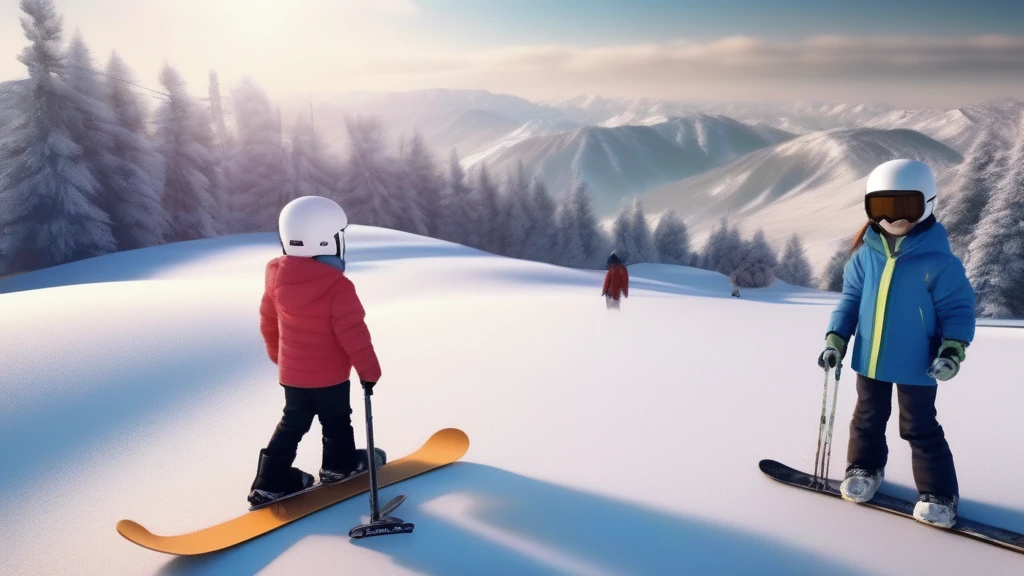
Winter sports open a world of adventure and excitement for kids, from mastering the slopes on skis to carving through powder on a snowboard. But as young athletes embrace these chilly pursuits, safety becomes a top priority—starting with the right helmet. Choosing a kid-friendly ski or snowboard helmet that balances protection, comfort, and style can significantly enhance your child’s winter sports experience while giving you peace of mind.
In this guide, we’ll explore essential factors to consider when selecting helmets for young winter sports enthusiasts, spotlight key safety technologies, and offer practical tips for ensuring a perfect fit and long-lasting comfort.
Why Helmets Are Essential for Young Skiers and Snowboarders
Children are naturally curious and eager to push their limits on the snow, which can sometimes lead to falls or collisions. Helmets designed specifically for skiing and snowboarding provide critical head protection that reduces the risk of serious injury. According to safety standards worldwide, helmets that meet certifications such as CE EN 1077 or ASTM F2040 are tested for impact resistance, penetration, and retention system effectiveness.
Beyond meeting these certifications, modern kid-friendly helmets often incorporate advanced technologies like MIPS (Multi-directional Impact Protection System), which helps reduce rotational forces during angled impacts—common in skiing and snowboarding accidents. These features are crucial in protecting young brains that are still developing.
Key Safety Features to Look for in Kids’ Ski and Snowboard Helmets
Certified Impact Protection
Always check that the helmet complies with recognized safety standards specific to winter sports. Certified helmets undergo rigorous testing to ensure they can withstand impacts typical on slopes and trails.
MIPS Technology
MIPS adds an internal low-friction layer allowing the helmet to slightly rotate relative to the head during an impact, mitigating rotational motion that can cause brain injury. This extra layer of protection is especially beneficial for active kids who may tumble unpredictably.
Multi-Impact EPS Foam Liners
Unlike helmets designed for single impacts, some kids’ helmets use multi-impact liners that can absorb several minor impacts over a season, extending helmet lifespan and maintaining protection levels.
Comfort and Fit: Keeping Young Athletes Happy and Protected
Adjustable Fit Systems
Children’s heads grow quickly, so look for helmets with adjustable fit systems such as dial-fit mechanisms or interchangeable padding. These allow a snug but comfortable fit that can adapt over time.
Lightweight Construction
Kids tire easily, and heavy helmets can become uncomfortable during long days on the mountain. Materials like polycarbonate or hybrid composites balance durability with lightweight design, helping helmets feel barely there.
Ventilation and Temperature Control
Good ventilation prevents overheating and moisture buildup inside the helmet. Features like multiple vents, removable vent covers, and anti-fog airflow help maintain comfort in varying weather conditions.
Soft, Breathable Liners and Ear Pads
Fleece or sweat-wicking liners keep little heads dry and warm, while detachable, pressure-free ear pads offer extra coziness and can be removed if kids prefer more airflow.
Style and Practicality: Making Helmets Kid-Approved
Fun Colors and Designs
Kids are more likely to wear helmets consistently if they like how they look. Many helmets come in vibrant colors, patterns, or customizable options that let young athletes express their personalities on the slopes.
Goggle Compatibility
Look for helmets that integrate seamlessly with ski or snowboard goggles, featuring magnetic or clip-on goggle holders. This ensures goggles stay securely in place and improves visibility.
Quick-Release Chin Straps
For ease of use, especially when kids are putting on or removing helmets independently, quick-release buckles make securing the helmet simple and safe.
Caring for Kids’ Helmets: Maintenance Tips for Longevity
- Regular Inspection: Check for cracks, dents, or worn straps before each use. Even a minor impact can compromise protection.
- Cleaning: Use mild soap and water to clean liners and shells. Avoid harsh chemicals that degrade materials.
- Storage: Store helmets in a cool, dry place away from direct sunlight and extreme temperatures to prevent material breakdown.
- Replace When Needed: Follow manufacturer guidelines on helmet lifespan, typically around 3-5 years, or replace immediately after significant impacts.
Sustainability Matters: Eco-Friendly Helmet Options
More manufacturers are embracing environmentally responsible practices in helmet production. Look for helmets made with recyclable materials, low-impact manufacturing processes, and sustainable packaging. Choosing eco-friendly helmets helps minimize your family’s carbon footprint while keeping your child safe.
Final Thoughts: Empowering Young Winter Athletes with the Right Helmet
Selecting the ideal ski or snowboard helmet for kids involves balancing certified safety features, adaptable comfort, and kid-friendly style. A helmet that fits well and incorporates technologies like MIPS can dramatically reduce injury risk, while thoughtful design elements encourage consistent wear and enjoyment.
By prioritizing these factors and maintaining helmets properly, parents can support their children’s passion for winter sports with confidence—knowing that safety, comfort, and fun go hand in hand on every snowy adventure.