
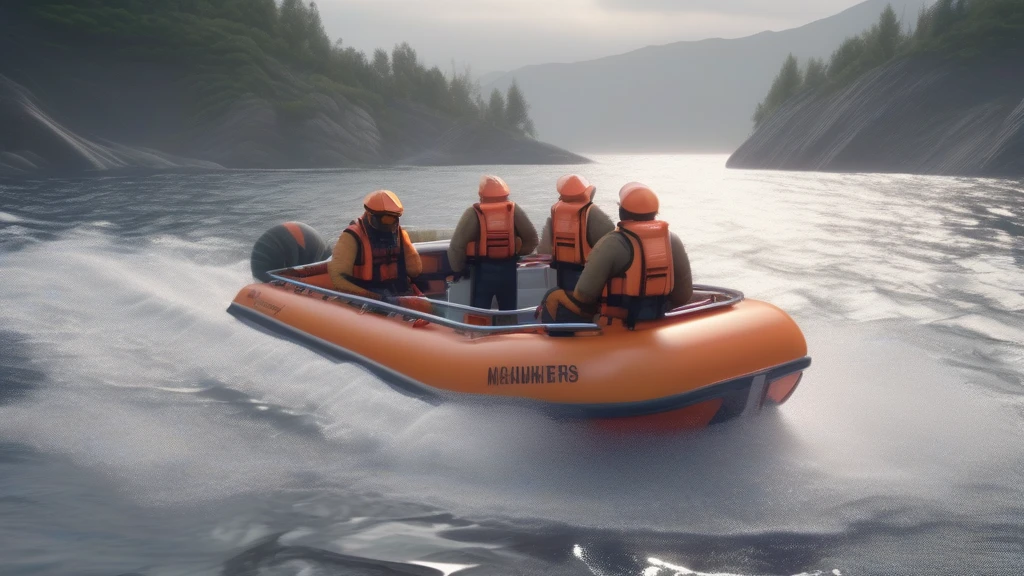
Water safety is paramount for everyone venturing onto rivers, lakes, or oceans, but for commercial mariners and rescue personnel, the stakes are even higher. Their life jackets are not just personal flotation devices (PFDs); they are critical gear engineered to meet rigorous safety demands in challenging environments. Understanding what sets life jackets for commercial and rescue use apart from recreational options can help professionals and safety managers choose the right equipment to protect lives effectively.
Understanding Life Jacket Types and Their Suitability
Before diving into the specifics, it’s essential to recognize the classification system that governs life jackets. The U.S. Coast Guard categorizes PFDs into five main types, each designed with distinct buoyancy and use cases in mind:
- Type I: Offshore life jackets with maximum buoyancy, designed to turn an unconscious wearer face-up in rough, open water.
- Type II: Near-shore vests with moderate buoyancy, intended for calm, inland waters.
- Type III: Recreational life jackets that provide comfort and standard buoyancy but may not guarantee face-up positioning.
- Type IV: Throwable devices like cushions and ring buoys, meant to assist others in the water.
- Type V: Specialized PFDs tailored for specific activities or conditions, often requiring mandatory use under certain circumstances.
For commercial mariners and rescue personnel, Type I and specialized Type V jackets typically dominate due to their superior buoyancy, durability, and safety features essential for offshore and emergency operations.
Key Features Distinguishing Commercial and Rescue Life Jackets
Maximum Buoyancy and Stability
Commercial and rescue life jackets prioritize maximum flotation to keep wearers afloat in unpredictable, often hazardous marine environments. Unlike recreational jackets, which balance buoyancy with comfort for shorter use, these PFDs deliver higher buoyancy ratings—often exceeding 22 pounds—to support heavy clothing, equipment, or unconscious users.
Durable, Marine-Grade Materials
The harsh conditions faced by commercial mariners and emergency responders demand materials that resist UV degradation, saltwater corrosion, and rough handling. Common textiles include:
- Ripstop nylon and polyester with UV-resistant coatings to prevent fading and tearing.
- Marine-grade vinyl for water resistance and durability.
- Closed-cell foam or hybrid flotation cores that maintain buoyancy even if punctured or compressed.
These materials ensure longevity and dependable performance, even after extended exposure to sun, salt, and abrasion.
Enhanced Safety and Visibility Features
High-visibility colors such as bright orange, yellow, or red are standard to improve detection in open water. Reflective tape strategically placed on shoulders, chest, and back increases visibility in low-light or nighttime conditions. Additional safety elements commonly integrated include:
- Whistles for audible signaling.
- Rescue handles for easy grabbing during extraction.
- Emergency light mounts for attaching strobes or lights.
- Anti-slip panels to secure wearers in slippery environments.
Such features dramatically improve rescue chances and wearer safety during critical incidents.
Ergonomic Fit with Secure Adjustability
Professional use requires life jackets that remain securely in place during physically demanding activities. Adjustable straps with reinforced buckles and quick-release mechanisms ensure a snug fit while allowing rapid donning and removal in emergencies. The ergonomic design also reduces fatigue during long shifts or operations in rough seas.
Portability and Compactness
While bulkier than many recreational models, commercial PFDs often incorporate foldable designs or inflatable bladder technology to reduce storage footprint and improve mobility. Inflatable life jackets, in particular, combine compactness with high buoyancy, inflating automatically or manually when needed. This innovation is valuable for mariners who need freedom of movement without compromising safety.
Specialized Considerations for Rescue Personnel
Rescue teams face unique challenges that shape their life jacket requirements:
- Rapid Deployment: Jackets must be easy to put on quickly under stressful conditions.
- Integration with Other Gear: Many rescue PFDs accommodate attachments for harnesses, radios, knives, and other essential tools.
- Enhanced Buoyancy Options: Some jackets offer modular flotation systems or supplemental buoyancy packs for added support.
- Cold Water Protection: Designs may include insulation or compatibility with immersion suits to combat hypothermia during prolonged water exposure.
These tailored features empower rescue personnel to operate safely and effectively in diverse emergency scenarios.
Environmental Sustainability in Commercial Life Jackets
The marine industry is increasingly embracing eco-conscious manufacturing. Many commercial life jackets now incorporate:
- Biodegradable coatings to minimize environmental impact.
- Recyclable foam cores that reduce landfill waste.
- Low carbon footprint production processes reflecting responsible resource use.
Sustainability does not come at the expense of safety or durability, making modern life jackets both effective and environmentally considerate.
Maintaining and Inspecting Life Jackets for Longevity
Proper maintenance is vital to ensure life jackets perform when needed:
- Regular Inspections: Check for tears, broken buckles, worn straps, and foam integrity.
- Cleaning: Rinse with fresh water after saltwater use and allow to air dry away from direct sunlight.
- Storage: Store in a cool, dry place to prevent mildew and material degradation.
- Replacing Inflatable Components: For inflatable PFDs, service inflation mechanisms and replace CO₂ cartridges as recommended.
Adhering to manufacturer guidelines and periodic professional inspections prolongs life jacket reliability and safety.
Regulatory Certifications: Why They Matter
Life jackets for commercial and rescue use must meet stringent safety standards, including:
- U.S. Coast Guard (USCG) Approval: Confirms compliance with flotation and performance requirements.
- ISO and CE Certifications: International standards ensuring quality and safety.
- TÜV Certification: Rigorous testing for materials and construction.
Selecting PFDs with these certifications guarantees tested and trusted performance under demanding conditions.
Conclusion
Life jackets for commercial mariners and rescue personnel are purpose-built to meet the rigorous demands of offshore environments and emergency operations. Their superior buoyancy, durable materials, enhanced safety features, and ergonomic designs distinguish them from recreational models. Coupled with increasing attention to sustainability and strict regulatory standards, these life jackets represent the critical frontline defense in water safety for professionals who risk their lives to protect others.
For those involved in commercial maritime operations or rescue missions, investing in the right life jacket is a vital step toward ensuring safety, compliance, and peace of mind on the water.