
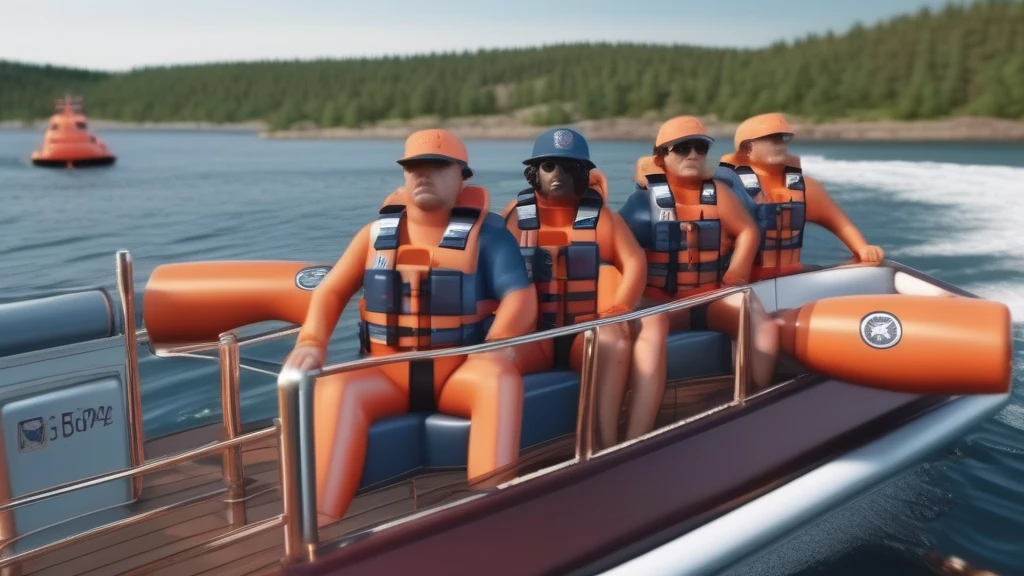
Boating and water sports offer unparalleled fun and adventure, but they also come with inherent risks. One of the most critical aspects of staying safe on or near the water is wearing a properly rated and well-maintained life jacket. Understanding the legal requirements, safety standards, and product features of life jackets is essential for everyone—from casual paddlers to professional mariners. This article demystifies life jacket regulations, Coast Guard classifications, and key safety features to help you select the right personal flotation device (PFD) for your needs.
Understanding Legal Requirements for Life Jackets
US Coast Guard Regulations
In the United States, life jacket requirements are governed primarily by the US Coast Guard (USCG). Federal law mandates that all recreational boats carry at least one wearable USCG-approved life jacket for each person on board. Additionally, children under 13 must wear a life jacket at all times while on a moving vessel.
The USCG approval ensures that a life jacket meets rigorous buoyancy, design, and durability standards. Life jackets that pass these tests receive a label indicating their type, buoyancy rating, and intended usage conditions. It is illegal and unsafe to use non-approved or counterfeit life jackets.
State and Local Regulations
Many states and local authorities have additional rules, such as requiring life jackets on certain waterways or mandating specific types for particular activities. For example, some areas require throwable flotation devices (Type IV) on larger boats, and some states have specific regulations for paddle sports like kayaking or paddleboarding.
Before heading out, check local boating laws and always comply with posted regulations to avoid fines and ensure safety.
Life Jacket Types: Matching Your Activity and Safety Needs
The USCG classifies life jackets into five main types, each designed for different environments and uses:
Type I – Offshore Life Jackets
- Best for: Open, rough, or remote waters where rescue may be delayed.
- Buoyancy: Maximum, typically 22 pounds or more.
- Features: Designed to turn an unconscious wearer face-up in the water.
- Materials: Durable ripstop nylon or marine-grade vinyl shells with closed-cell foam cores.
- Use Case: Commercial mariners, offshore fishermen, sailboats venturing far from shore.
Type I jackets are bulky but provide the highest flotation and safety margin. Their bright colors and reflective tape enhance visibility in rough conditions.
Type II – Near-Shore Buoyant Vests
- Best for: Calm, inland waters where quick rescue is likely.
- Buoyancy: Moderate, usually around 15.5 pounds.
- Features: Provides some face-up turning ability but less reliable than Type I.
- Materials: Polyester or nylon outer shells with foam flotation.
- Use Case: Recreational boaters, anglers in lakes or rivers.
Type II jackets offer a balance of comfort and buoyancy, making them suitable for many family outings and day trips.
Type III – Flotation Aids for Recreation
- Best for: Water sports and activities where quick rescue is expected.
- Buoyancy: Standard, about 15.5 pounds.
- Features: Do not reliably turn unconscious wearers face-up but provide excellent comfort and mobility.
- Materials: Lightweight polyester or hybrid foam with inflatable bladder options.
- Use Case: Kayakers, paddleboarders, sailors, and swimmers.
Type III life jackets are designed for prolonged wear and freedom of movement, often incorporating adjustable straps, ventilation, and ergonomic fits.
Type IV – Throwable Devices
- Best for: Use as emergency flotation aids thrown to someone in the water.
- Types: Ring buoys, throwable cushions.
- Features: Not wearable; meant to supplement wearable life jackets.
- Use Case: Larger boats with multiple passengers, commercial vessels.
Although not substitutes for wearable PFDs, Type IV devices are crucial for emergency preparedness.
Type V – Special Use Devices
- Best for: Specific activities requiring specialized flotation.
- Types: Inflatable PFDs, work vests, hybrid designs.
- Features: Inflatable bladders for compactness, integrated safety tools like whistles or lights.
- Use Case: Whitewater rafting, jet skiing, rescue operations.
Type V life jackets often combine innovative materials such as inflatable bladders with traditional foam for enhanced buoyancy and ease of wear.
Key Safety Features to Look For in Life Jackets
Buoyancy and Flotation Materials
Effective flotation depends on the materials used. Most life jackets feature closed-cell foam or hybrid foam/inflatable designs. Closed-cell foam is durable, resistant to waterlogging, and provides consistent buoyancy. Inflatable life jackets incorporate CO2 cartridges that inflate the bladder upon activation, offering compactness but requiring regular maintenance and inspection.
Durable, Marine-Grade Fabrics
Life jackets are typically constructed from UV-resistant, abrasion-resistant materials like ripstop nylon, polyester, or marine-grade vinyl. These fabrics withstand harsh saltwater environments and prolonged sun exposure without degrading.
Visibility Enhancements
High-visibility colors—such as bright orange, yellow, or red—are standard to improve rescue readiness. Reflective tape and glow-in-the-dark strips are critical for low-light or nighttime use. Some models feature emergency light mounts for attaching battery-powered strobes.
Adjustable and Secure Fastenings
Look for reinforced buckles, quick-release mechanisms, and adjustable straps to ensure a snug, comfortable fit. Proper fit minimizes the risk of the jacket slipping off and maximizes buoyancy effectiveness.
Emergency Accessories
Many life jackets include whistles for signaling, rescue handles for easy grabbing, and pockets for storing small safety tools. These features can be lifesaving in emergency situations.
Regulatory Certifications and Standards
US Coast Guard Approval
The gold standard in the US, Coast Guard approval guarantees compliance with federal safety standards. Look for labels specifying the life jacket type, buoyancy in pounds, and approval number.
International Standards
For users outside the US or those purchasing internationally, certifications such as ISO (International Organization for Standardization), CE (Conformité Européenne), and TÜV (Technischer Überwachungsverein) indicate rigorous testing and quality assurance.
Understanding these certifications helps consumers verify product legitimacy and safety across different regions.
Proper Fit and Maintenance: Ensuring Lifesaving Performance
Ensuring a Secure Fit
A life jacket should fit snugly without restricting movement or breathing. When worn, the jacket should not ride up over the chin or face when lifted at the shoulders. Adjustable straps and buckles allow customization for different body shapes and sizes.
Regular Inspection and Care
Inspect life jackets regularly for signs of wear such as torn fabric, weakened straps, or damaged buckles. Inflatable models require periodic checks and proper storage to prevent CO2 cartridge corrosion or bladder leaks.
Cleaning with fresh water after exposure to saltwater and drying thoroughly before storage extends product lifespan. Avoid prolonged exposure to sunlight when not in use to protect fabric integrity.
Innovations in Inflatable Life Jackets
Inflatable life jackets are gaining popularity due to their lightweight, compact design and high buoyancy when inflated. They are especially favored by experienced boaters and water sports enthusiasts who prioritize comfort and mobility.
However, inflatable PFDs require diligent maintenance and are not suitable for all situations—such as rough offshore waters or for non-swimmers—due to reliance on activation mechanisms. Many inflatable life jackets combine foam panels for added security, blending traditional and modern flotation technologies.
Emergency Preparedness: Beyond Wearable Life Jackets
In addition to wearable PFDs, throwable flotation devices such as ring buoys and cushions are essential safety equipment on larger vessels. These Type IV devices provide an immediate flotation aid to someone who has fallen overboard.
Storing throwables within easy reach and practicing emergency drills can improve response times and outcomes during incidents on the water.
Conclusion
Understanding life jacket requirements and regulations is a foundational step toward safe boating and water sports participation. Selecting the right type of life jacket—whether a high-buoyancy Type I for offshore fishing or a comfortable Type III for kayaking—depends on your activity, water conditions, and personal safety needs.
Pay close attention to product features such as durable marine-grade materials, buoyancy ratings, visibility enhancements, and regulatory certifications like US Coast Guard approval. Proper fit and regular maintenance ensure your life jacket performs when you need it most.
By combining knowledge of legal mandates with an appreciation for emerging innovations like inflatable designs and eco-friendly materials, you can confidently equip yourself and your loved ones for safer adventures on the water.