
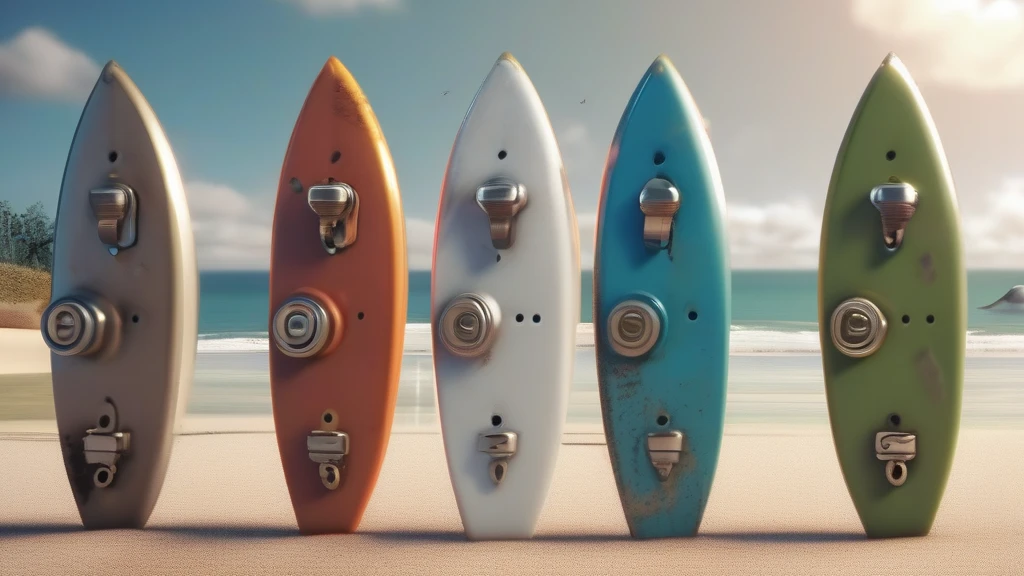
When it comes to protecting valuable surf gear and outdoor equipment, choosing the right lock is crucial. The harsh coastal environment demands locking solutions that combine robust security with durability against saltwater, sand, and extreme weather conditions. In this comprehensive comparison, we’ll explore various types and styles of high-security padlocks designed specifically for surfers, beachgoers, and outdoor enthusiasts. By understanding the key features and trade-offs of each lock category, you’ll be equipped to select the ideal safeguard for your gear.
Understanding the Coastal Challenge: Why Special Locks Matter
Before diving into the types of locks, it’s important to recognize the unique challenges posed by marine and outdoor environments:
- Saltwater Corrosion: Regular metal locks quickly rust and seize when exposed to salty air and water.
- Sand and Debris: Grit can clog locking mechanisms, causing failure or difficulty in operation.
- Extreme Weather: UV exposure, rain, and temperature fluctuations demand weatherproof designs.
- Security Needs: Surfboards, wetsuits, and other gear are often left unattended in public places, making theft deterrence essential.
These factors drive the development of specialized locks featuring corrosion-resistant materials, weatherproof coatings, and designs that balance security with ease of use.
Keyed Padlocks vs. Combination Padlocks: Which Locking Mechanism Fits Your Needs?
One of the primary decisions when selecting a lock is the type of locking mechanism. Both keyed and combination padlocks offer distinct advantages and considerations for surf and outdoor use.
Keyed Padlocks: Traditional Security with Trusted Reliability
Characteristics:
- Use a physical key to lock and unlock.
- Typically constructed with hardened steel shackles and solid bodies.
- Often feature corrosion-resistant materials such as stainless steel or marine-grade brass.
- May include weatherproof covers or seals to protect keyholes from sand and saltwater.
Pros:
- High security due to physical key control.
- Less prone to accidental unlocking since a key is required.
- Durable materials ensure longevity in harsh conditions.
- Simple operation without the need to remember combinations.
Cons:
- Risk of losing keys, which can be problematic on the beach.
- Keyholes can accumulate sand or salt if not properly sealed.
- Some models may be heavier due to solid materials.
Ideal Use Cases:
- Surfers or outdoor users who prefer physical keys and value strong security.
- Situations where multiple locks use the same key for convenience.
- Locking beach lockers, storage units, or bike chains where key control is preferred.
Combination Padlocks: Convenience Meets Custom Security
Characteristics:
- Use a numeric or alphanumeric code to unlock.
- Often feature resettable combinations, allowing users to change codes as needed.
- Lightweight designs with weatherproof casing.
- Corrosion-resistant bodies and shackles made from materials like stainless steel or boron alloy.
- Some models offer tactile or audible feedback to ease use in wet or sandy conditions.
Pros:
- No keys to lose or carry—ideal for active users on the go.
- Easy to reset combinations for enhanced security.
- Lightweight and portable, designed for beach and outdoor environments.
- Quick access without fumbling for keys.
Cons:
- Combination numbers can be forgotten if not recorded properly.
- Slightly less secure if combination codes are weak or shared.
- Some models may be vulnerable to forced entry if not heavy-duty.
Ideal Use Cases:
- Surfers who want quick, keyless access to gear.
- Groups sharing access via a shared combination.
- Securing beach lockers, luggage, or gym lockers in coastal environments.
Material Matters: Comparing Construction and Corrosion Resistance
The durability of a lock in marine conditions heavily depends on the materials used for its body, shackle, and internal components. Here’s a breakdown of common materials and their benefits:
Stainless Steel
- Highly resistant to rust and corrosion.
- Offers strong resistance to cutting and sawing.
- Common in both keyed and combination locks designed for marine use.
- Often paired with weatherproof seals to protect internal mechanisms.
Marine-Grade Brass
- Naturally corrosion-resistant, especially against saltwater.
- Softer than steel but still provides solid protection.
- Frequently used in lock bodies for its balance of durability and corrosion resistance.
- Requires less maintenance over time.
Boron Alloy Shackles
- Exceptionally strong and hardened to resist cutting and bolt cutters.
- Used in heavy-duty padlocks targeting high-security needs.
- Combined with corrosion-resistant coatings or plating to withstand marine conditions.
Weatherproof Coatings and Seals
- Rubber or plastic covers shield keyholes and dials from sand and salt spray.
- Powder coatings and anodized finishes enhance resistance to UV damage and wear.
- Internal seals prevent moisture ingress, extending lock lifespan.
Styles and Designs: Matching Form to Function
Beyond mechanism and materials, the design of the lock plays a significant role in user experience and security.
Heavy-Duty Security Locks
- Feature thick shackles (often 10mm or more in diameter) and reinforced bodies.
- Designed to resist physical attacks such as cutting, hammering, or prying.
- Ideal for securing high-value gear or unattended equipment in high-risk areas.
- Typically bulkier and heavier, but offer superior protection.
Lightweight Marine Locks
- Prioritize portability and corrosion resistance.
- Often use slimmer shackles and compact bodies for ease of carrying.
- Perfect for casual beachgoers or those needing moderate security without bulk.
- May sacrifice some toughness compared to heavy-duty models.
Combination Locks with Resettable Codes
- Allow users to change combinations regularly for added security.
- Feature tactile dials or push-button systems for ease of use even with wet or sandy hands.
- Designed with clear numbering and anti-slip surfaces to improve usability.
- Some include audible clicks or feedback to confirm input.
Keyed Locks with Weatherproof Features
- May incorporate protective covers over keyholes to prevent grit buildup.
- Designed with corrosion-resistant internal cylinders and pins.
- Often include ergonomic key designs for easy handling in wet conditions.
- Some models offer keyed alike options for convenience.
Practical Tips for Choosing and Using Locks for Surf Gear
-
Assess Your Security Needs: For high-value gear left unattended for long periods, prioritize heavy-duty locks with hardened shackles and corrosion-resistant bodies. For short sessions or casual use, lighter locks with combination dials may suffice.
-
Consider Environmental Exposure: If you frequently surf in saltwater or leave gear outdoors, choose locks made from marine-grade brass or stainless steel with weatherproof coatings.
-
Ease of Use Matters: Combination locks with resettable codes offer convenience, but make sure you can operate them with wet, sandy hands. Keyed locks with protective covers reduce the chance of keyhole jamming.
-
Portability vs. Protection: Larger locks provide better security but can be cumbersome. Balance security with the weight and size you’re comfortable carrying on your surfboard or in your bag.
-
Regular Maintenance: Even corrosion-resistant locks benefit from occasional rinsing with fresh water and lubrication with marine-grade products to extend lifespan.
-
Secure Attachment Points: No lock can protect if it’s attached to a weak anchor. Ensure your lock is used with sturdy chains, cables, or fixed fixtures designed for outdoor use.
Real-World Scenario: Securing Your Surfboard at the Beach
Imagine you’re heading out for a surf session and need to leave your board and wetsuit unattended. A heavy-duty keyed padlock with a boron alloy shackle and stainless steel body offers maximum theft deterrence and resists corrosion from salt spray. You attach it to a solid locking cable around a fixed beach rack.
Alternatively, if you prefer not to carry keys, a marine-grade combination lock with resettable code and weatherproof casing provides quick access and strong resistance to the elements. You can change the code regularly, sharing it only with trusted friends.
In both cases, the lock’s corrosion resistance, secure locking mechanism, and usability in wet, sandy conditions ensure your gear stays protected and accessible only to you.
Conclusion: Selecting the Right Lock for Your Outdoor Lifestyle
Choosing the perfect lock for surf gear and outdoor equipment comes down to balancing security, durability, and convenience. Keyed padlocks offer trusted physical security and can be highly durable when built with marine-grade materials and weatherproof features. Combination padlocks excel in convenience and portability, especially those with resettable codes and corrosion-resistant construction.
Heavy-duty security locks provide maximum protection but may be heavier, while lightweight marine locks offer ease of use for casual settings. Paying attention to materials—such as stainless steel, marine-grade brass, and boron alloy shackles—and weatherproof design ensures your lock withstands the challenges of coastal environments.
By understanding these differences and considering your specific use cases, you can confidently select a lock that delivers peace of mind, long-lasting performance, and practical operation every time you hit the beach or embark on outdoor adventures.