
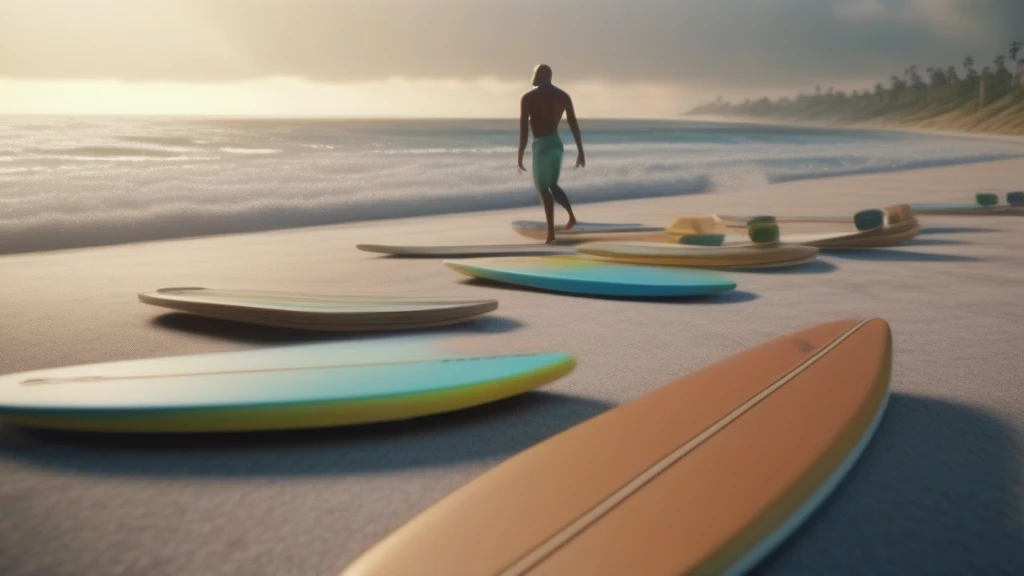
Surfing is an art as much as it is a sport, and selecting the right longboard surfboard for the waves you plan to ride can make all the difference in your experience. Longboards, prized for their stability, smooth rides, and classic style, come in various shapes, sizes, and constructions tailored to different wave conditions and surfing environments. Whether you're a beginner looking for a forgiving board or an advanced rider chasing performance noserides, understanding how wave types interact with board characteristics will help you match your gear perfectly to the conditions.
In this guide, we’ll explore how to choose the ideal longboard surfboard based on wave types, focusing on key design elements such as length, tail shape, rocker profile, materials, and fin setups. We’ll also touch on environmental considerations and practical tips for maximizing your surfing enjoyment across diverse ocean settings.
Understanding Wave Types and Their Impact on Surfing
Before diving into board selection, it’s important to grasp the fundamental wave types you may encounter:
- Small, Gentle Waves: Typically under 3 feet, these waves break slowly and offer a mellow ride, ideal for cruising and learning.
- Medium, Rolling Waves: Between 3 and 6 feet, providing more power and speed, suitable for intermediate maneuvers and freestyle moves.
- Steep or Hollow Waves: Over 6 feet, often fast-breaking and challenging, demanding responsive boards with precise control.
- Beach Breaks vs. Point Breaks: Beach breaks have shifting sandbars creating variable waves, while point breaks offer more consistent, peeling waves.
Each wave type places different demands on your longboard’s design, influencing stability, maneuverability, and speed.
Longboard Length and Wave Compatibility
Longboard surfboards commonly range from about 8'0" to 10'0" in length, and each size bracket suits different wave conditions:
-
8'0" to 8'6" Longboards: Shorter longboards are more maneuverable and responsive, suitable for medium waves where you want to blend classic cruising with freestyle tricks. Their reduced length helps execute tighter turns and noseriding in more dynamic waves.
-
8'6" to 9'6" Longboards: The sweet spot for many surfers, balancing glide and control. These boards excel in small to medium waves, offering enough volume and surface area for stability while allowing smooth transitions and stylish cutbacks.
-
9'6" to 10'0" Plus Longboards: Ideal for small, slow waves where maximum paddle power and glide are needed. Their longer length enhances wave-catching ability and stability, perfect for beginners or surfers focused on classic noseriding and relaxed cruising.
Practical Tip: If you surf mostly mellow beach breaks with slow waves, lean towards longer boards with wider noses and more volume. For point breaks with faster waves, a slightly shorter board with a more refined shape improves responsiveness.
Tail Shapes: Control and Style by Wave Type
The shape of the tail affects how your board handles in different wave conditions:
-
Round Tail: Offers smooth, flowing turns and stability, excellent for small to medium waves. The rounded edges help maintain speed and control during noserides and classic maneuvers.
-
Squash Tail: Provides a balance between maneuverability and stability. This versatile tail shape works well in medium waves and is popular among freestyle longboarders seeking quick turn responsiveness without sacrificing glide.
-
Pin Tail: Designed for hold and control in steep, hollow waves. The tapered shape allows the board to track cleanly and resist sliding out on powerful waves.
-
Swallow Tail: Combines control and looseness, great for beach breaks where quick direction changes are needed. It enhances grip in choppy conditions without compromising speed.
-
Square Tail: Maximizes surface area at the tail for added lift and quick acceleration, suitable for small waves and surfers who emphasize smooth cruising.
Matching Tail to Wave: For mellow waves, round or square tails excel by offering stability and smooth flow. Steeper, faster waves demand the precision of pin or squash tails, while swallow tails offer versatility in variable conditions.
Rocker Profiles: Shaping Your Ride
Rocker—the curve of the board from nose to tail—affects how your surfboard planes on the water:
-
Flat Rocker: Favored for small, slow waves to maximize glide and paddling efficiency. Flat rocker longboards help maintain speed on weak waves but can be less responsive in steep conditions.
-
Moderate Rocker: A balanced curve that performs well across a range of waves, from gentle to moderately steep. This profile offers a good mix of speed and maneuverability.
-
High Rocker: More pronounced curve for handling powerful, hollow waves. It improves turning and reduces nose-diving but requires more effort paddling.
-
Continuous Rocker: Smooth, flowing curve without abrupt changes, suited for classic longboarding styles emphasizing noseriding and graceful transitions.
Wave Condition Guidance: If you frequently surf beach breaks with slow waves, a flat to moderate rocker provides optimal glide. For point breaks or reef breaks with faster waves, a moderate to high rocker supports sharper turns and control.
Materials and Construction: Durability Meets Sustainability
Modern longboard surfboards blend performance with eco-conscious manufacturing:
-
Epoxy Construction: Lightweight and durable, epoxy boards offer excellent strength-to-weight ratios, enhancing portability and responsiveness. They handle impacts well, making them suitable for rougher conditions.
-
Fiberglass with Polyurethane Foam Cores: The traditional construction method balances flex and rigidity. These boards provide a classic feel favored by many longboard purists.
-
Carbon Fiber Reinforcements: Increasingly integrated to improve stiffness without extra weight, carbon fiber helps advanced surfers seeking high-performance noserides and freestyle tricks.
-
Eco-Friendly Materials: Some boards incorporate recyclable materials, bio-based resins, and sustainable foams to reduce environmental impact—a growing priority for surfers committed to ocean conservation.
Safety and Durability Features: Look for boards with UV-resistant coatings, impact-resistant edges, and certifications such as ISO, CE, or TÜV to ensure quality and longevity.
Fin Setups: Tailoring Control and Speed
The fin configuration influences stability, turning radius, and drive:
-
Single Fin: Classic longboard setup ideal for smooth, drawn-out turns and stable noserides in small to medium waves.
-
2+1 Setup: Combines a large center fin with two smaller side fins, offering enhanced control and versatility across various wave types. Great for surfers who want a balance between classic cruising and freestyle performance.
-
Thruster (Three Fins): Provides tighter turning and responsiveness, suited for more dynamic surfing in medium to large waves.
-
Quad Fin: Offers speed and looseness, preferred in fast, hollow waves where quick direction changes are necessary.
Many longboards feature adjustable or foldable fin systems to customize performance and improve transport convenience.
Matching Longboard Features to Common Wave Scenarios
| Wave Condition | Recommended Longboard Features |
|---|---|
| Small, Gentle Waves | 9’6”–10’0” length, flat to moderate rocker, round or square tail, single fin, epoxy or fiberglass construction, wide nose |
| Medium Rolling Waves | 8’6”–9’6” length, moderate rocker, squash or round tail, 2+1 or thruster fin setup, carbon fiber reinforcement for maneuverability |
| Steep, Hollow Waves | 8’0”–8’6” length, moderate to high rocker, pin or swallow tail, thruster or quad fin setup, lightweight epoxy with carbon fiber |
| Variable Beach Break | Versatile 8’6”–9’6” length, moderate rocker, squash or swallow tail, adjustable 2+1 fin setup, durable construction with impact resistance |
Additional Considerations for Selecting Your Longboard
Portability and Safety
Longboards are inherently larger and heavier than shortboards, so features like lightweight epoxy construction and carbon fiber reinforcements improve portability without sacrificing strength. Many boards come with carry bags, leashes, wax kits, and repair kits to ensure safe transport and maintenance during travel.
Skill Level and Riding Style
-
Beginners: Prioritize boards with wider designs, soft-top decks, and anti-slip surfaces to maximize stability and confidence.
-
Recreational Riders: Look for reliable boards with eco-friendly materials that balance durability and performance for casual cruising.
-
Freestyle Enthusiasts: Focus on lighter boards with responsive rocker profiles and versatile fin setups for tricks and dynamic maneuvers.
-
Advanced Surfers: Seek refined tail shapes, carbon fiber reinforcements, and precisely tuned rocker profiles for high-level noseriding and classic longboard style.
Conclusion
Choosing the right longboard surfboard means matching your equipment to the waves you ride and your personal surfing goals. By understanding how length, tail shape, rocker profile, materials, and fin setups influence performance across different wave types—from gentle beach breaks to steep point breaks—you can select a board that enhances your experience and helps you progress.
Remember to consider not only wave conditions but also your skill level, portability needs, and commitment to sustainability. With the right longboard in hand, you’ll be ready to glide smoothly, nose ride gracefully, and enjoy countless memorable moments on the water.
Happy surfing!