
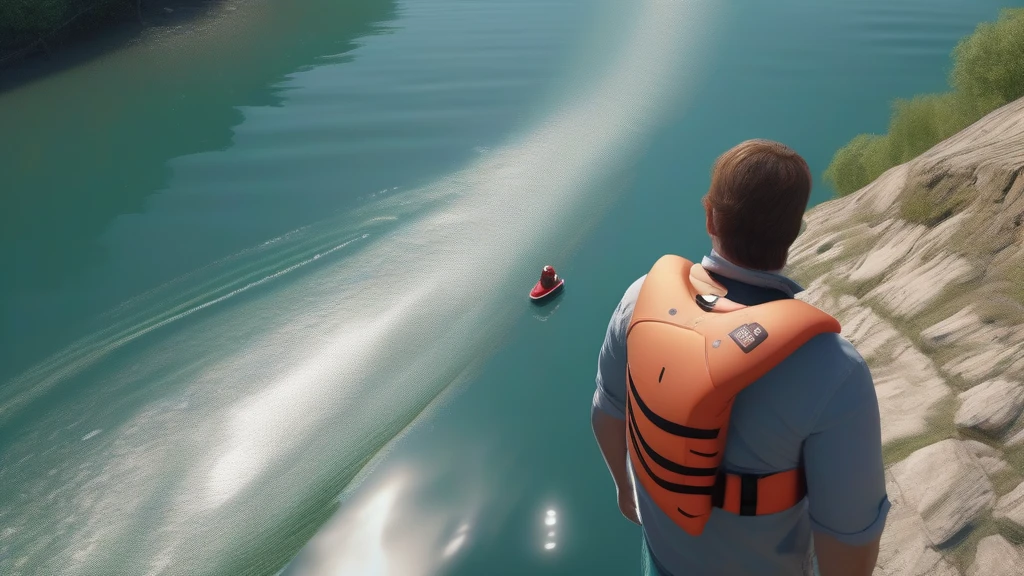
Life jackets are essential safety gear for anyone engaged in boating and water sports. Whether you’re kayaking on a calm lake, sailing offshore, or fishing near the coast, a properly maintained life jacket ensures maximum flotation and can be a lifesaver in emergencies. Understanding how to inspect and care for your personal flotation device not only enhances your safety but also extends the life of this critical equipment. This article outlines practical tips for maintaining and inspecting life jackets to keep them in top condition season after season.
Why Regular Inspection and Maintenance Matter
Life jackets are built to withstand harsh marine environments, with durable materials like ripstop nylon, marine-grade vinyl, and closed-cell foam. However, exposure to sun, saltwater, and physical wear can degrade these materials over time. Regular inspection helps identify damage early, such as tears, compromised buoyancy, or malfunctioning hardware, which could reduce effectiveness during an emergency. Proper maintenance preserves the integrity of flotation cores, fabric, and safety features, ensuring your life jacket remains reliable and comfortable.
How to Inspect Your Life Jacket: A Step-by-Step Guide
1. Check the Outer Fabric and Stitching
Start by examining the entire surface of the life jacket. Look closely for:
- Tears, rips, or abrasions: Even small holes can allow water to penetrate and affect buoyancy.
- Frayed stitching: Loose or broken seams weaken the jacket’s structural integrity.
- Sun damage: Faded or brittle fabric indicates UV degradation, which reduces strength.
If you find significant fabric damage, it’s best to retire the life jacket or consult a professional for repair options.
2. Assess the Flotation Material
Life jackets typically use foam or inflatable bladders for buoyancy. For foam-filled jackets:
- Feel for lumps, cracks, or compressed areas: These suggest the foam may have deteriorated or lost buoyancy.
- Ensure the foam is securely enclosed: Check for any openings where foam might be exposed.
For inflatable life jackets:
- Inspect the bladder for leaks or punctures: Inflate it fully and submerge in water to check for escaping air bubbles.
- Verify that the inflation mechanism is functional: This includes the CO2 cartridge, pull cord, and manual inflation tube.
3. Test Buckles, Zippers, and Straps
Secure and adjustable closures are vital for a snug fit that keeps the life jacket in place:
- Operate all buckles and clasps: They should fasten and release smoothly without sticking or breaking.
- Examine straps for wear and elasticity: Replace any frayed or weakened straps.
- Ensure zippers run freely: Lubricate with a silicone-based spray if necessary, and confirm zipper stops are intact.
4. Inspect Safety Features and Accessories
Modern life jackets often include additional safety components:
- Reflective tape or glow strips: Check that these are firmly attached and clean for maximum visibility.
- Whistles: Confirm whistles are present, undamaged, and securely attached.
- Rescue handles and emergency light mounts: Look for any cracks or signs of stress.
- Inflation indicators (for inflatable jackets): Make sure they signal proper readiness.
5. Review Labeling and Certification Tags
Ensure your life jacket’s certification labels (US Coast Guard, ISO, CE, TÜV) are legible. These tags confirm the life jacket meets safety standards and help verify the appropriate type for your activity.
Maintenance Tips to Extend Life Jacket Longevity
Proper care routines will preserve your life jacket’s buoyancy, appearance, and safety features.
Rinse After Use
Saltwater, chlorine, and dirt can degrade materials over time. After each outing:
- Rinse your life jacket thoroughly with fresh water.
- Avoid harsh detergents; use mild soap if cleaning is necessary.
- Pay attention to zippers and buckles to remove trapped debris.
Dry Completely Before Storage
Moisture encourages mold and mildew growth, which damages fabric and foam:
- Hang your life jacket in a well-ventilated, shaded area.
- Avoid direct sunlight for prolonged periods to prevent UV damage.
- Never store your jacket damp or folded tightly.
Store Properly
Optimal storage conditions protect your life jacket from deformation and environmental damage:
- Keep it in a cool, dry place away from chemicals or fuel vapors.
- Avoid compressing or folding foam life jackets for long periods.
- For inflatable jackets, follow manufacturer guidelines for deflation and cartridge removal if applicable.
Perform Routine Inspections
Schedule thorough inspections at least once per season, or more frequently if used intensively. Document any issues and address them promptly to maintain readiness.
Repair or Replace When Necessary
Minor repairs like patching small fabric tears or replacing buckles can prolong use. However, life jackets showing significant foam degradation, irreparable damage, or failed inflation tests should be replaced to ensure safety.
Special Considerations for Different Types of Life Jackets
Foam Life Jackets (Types I, II, III)
These are low maintenance but require careful checks for foam integrity and fabric condition. Avoid folding these jackets tightly to prevent foam compression.
Inflatable Life Jackets (Types III, V)
Inflatable jackets need extra attention to inflation systems, including CO2 cartridges and manual inflation cords. Regularly inspect for punctures or leaks and replace cartridges after use or when expired.
Throwable Devices (Type IV)
Though not worn, throwable cushions and ring buoys should be inspected for cracks, buoyancy loss, and secure attachment points.
Conclusion
Maintaining and inspecting your life jacket is an essential part of responsible water safety. By systematically checking fabric, flotation, hardware, and safety features, you can identify and address issues before they compromise performance. Coupled with proper cleaning, drying, and storage practices, these steps significantly extend the lifespan of your life jacket and ensure it remains a dependable safeguard on every aquatic adventure. Regular attention to your personal flotation device empowers you to focus on enjoying boating and water sports with confidence and peace of mind.