
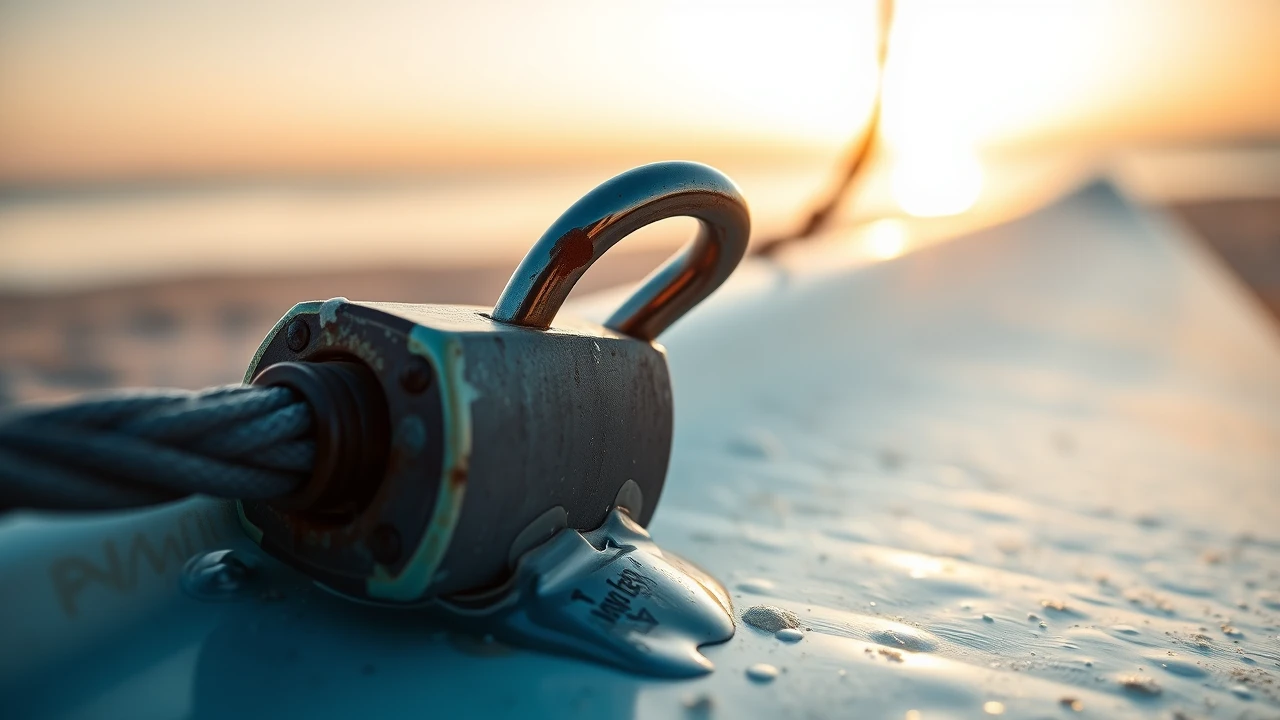
When it comes to securing valuable outdoor and surf gear, heavy-duty locks designed for marine environments are indispensable. These locks face unique challenges—from relentless saltwater spray to abrasive sand and fluctuating weather—that can compromise their effectiveness if not properly maintained. Understanding how to care for your corrosion-resistant padlocks not only prolongs their lifespan but also ensures the security of your equipment remains uncompromised. This guide provides practical advice on preventing rust and maintaining the performance of your heavy-duty locks in harsh coastal settings.
Why Maintenance Matters for Marine-Grade Locks
Heavy-duty locks built for surf gear and outdoor equipment often boast corrosion-resistant materials like stainless steel, brass, or specially coated metals. Despite their rugged construction, constant exposure to saltwater, humidity, and sand can lead to gradual wear, corrosion, and mechanical issues such as sticking or jamming. Neglecting maintenance can cause:
- Corrosion buildup: Salt and moisture accelerate rust formation, particularly on moving parts.
- Reduced locking reliability: Rust can impair the locking mechanism, increasing the risk of failure or forced entry.
- Shortened lifespan: Damage from neglect leads to more frequent replacements.
- Frustration and inconvenience: Locks that jam or keys that won’t turn can disrupt your activities and compromise security.
Routine maintenance keeps your lock functioning smoothly, maximizes durability, and protects your investment.
Essential Steps to Prevent Rust on Heavy-Duty Locks
1. Regular Cleaning After Exposure
After each use, especially following contact with saltwater or sandy environments, clean your lock thoroughly:
- Rinse with fresh water: Use a gentle stream of fresh water to wash away salt deposits, sand, and dirt. Avoid using high-pressure water that could drive debris deeper into the lock.
- Dry completely: Wipe the lock with a clean, dry cloth and allow it to air dry in a shaded, well-ventilated area. Avoid direct sunlight which can cause heat expansion.
2. Lubricate Moving Parts
Lubrication is critical to keeping the locking mechanism smooth and rust-free:
- Choose the right lubricant: Use a silicone-based or graphite lubricant designed for locks. Avoid oil-based products that attract dirt and grime.
- Apply sparingly: Insert lubricant into the keyhole and shackle joints. Work the mechanism by inserting and turning the key or rotating the combination dial multiple times to distribute evenly.
- Frequency: Lubricate at least once every few months, or more frequently if you use the lock daily in harsh conditions.
3. Inspect for Early Signs of Wear or Corrosion
Regularly examine your lock for:
- Surface rust or discoloration: Early rust spots can be treated immediately to prevent spreading.
- Stiffness or difficulty operating: May indicate internal corrosion or dirt buildup.
- Damaged components: Look for bent shackles, worn keys, or compromised seals.
Addressing small issues early can prevent costly failures.
Best Practices for Longevity and Performance
Store Locks Properly When Not in Use
- Remove locks from salty or wet environments and store them in a dry, cool place.
- Consider protective pouches or cases that shield against dust and moisture.
- Avoid leaving locks submerged or exposed to rain for prolonged periods.
Use Locks Suited for Your Environment
- Select padlocks with proven corrosion-resistant materials and weatherproof seals.
- For coastal use, marine-grade stainless steel or brass locks with protective coatings offer superior durability.
- Consider the locking mechanism type: combination locks reduce the risk of lost keys, while keyed locks often provide higher security and easier maintenance.
Avoid Forcing the Lock
- If your lock becomes stiff or difficult to open, do not force the key or dial. Instead, clean and lubricate the lock to restore smooth operation.
- Forcing can damage the internal mechanism, leading to costly repairs or replacements.
Understanding Corrosion Resistance in Heavy-Duty Locks
Corrosion resistance is the cornerstone of marine-grade lock durability. Here’s what to look for:
- Material choice: Stainless steel alloys with molybdenum offer enhanced resistance to saltwater corrosion. Brass and bronze components also perform well in marine conditions.
- Protective coatings: Some locks feature epoxy or powder coatings that create a barrier against moisture and salt.
- Sealed mechanisms: Weatherproof seals prevent ingress of water and sand into sensitive internal parts.
- Design features: Rounded edges and minimal crevices reduce areas where salt and dirt can accumulate.
Investing in a lock with strong corrosion resistance minimizes maintenance efforts and boosts reliability.
Keyed vs. Combination Locks: Maintenance Considerations
Both locking systems have pros and cons regarding upkeep in coastal environments:
- Keyed Locks:
- Require lubrication of the keyway and shackle.
- Susceptible to key corrosion; keep spare keys dry and clean.
- Often easier to operate with wet or sandy hands.
- Combination Locks:
- No keys to corrode or lose.
- Combination dials may collect sand or salt; regular rinsing and drying are important.
- Some have resettable codes, so avoid accidental resets by keeping mechanisms clean.
Choosing the right lock depends on your preferences for convenience, security, and maintenance routine.
Tips for Securing Your Surf Gear Effectively
- Attach locks to sturdy anchor points: Ensure the lock is looped through solid, immovable structures to prevent theft.
- Minimize exposure: When possible, store gear and locks under shelter or inside protective bags.
- Use multiple locks for high-value equipment: Layering security measures deters theft.
- Check locks before leaving gear unattended: Confirm the lock is fully engaged and operating smoothly.
Conclusion
Maintaining your heavy-duty padlocks with regular cleaning, lubrication, and careful storage dramatically extends their lifespan and reliability—key factors for anyone protecting valuable surf gear or outdoor equipment in demanding marine environments. By understanding corrosion resistance, selecting the right lock type, and following straightforward upkeep steps, you ensure your locks remain strong against rust and tough conditions, giving you peace of mind to enjoy your time by the water without worry. Proper care today translates into secure gear for many surf sessions and outdoor adventures to come.