
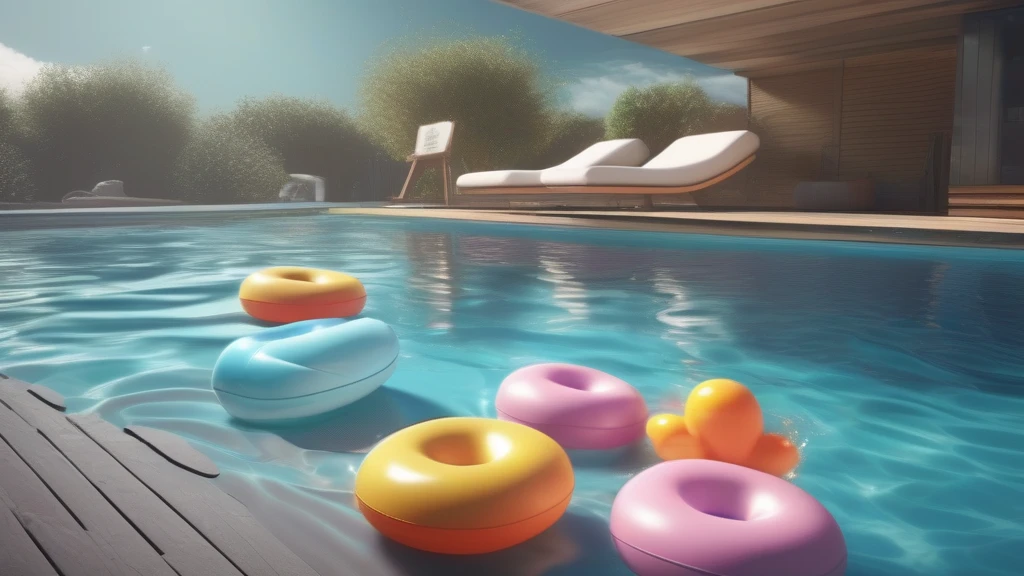
Pool floats are a staple of aquatic leisure, transforming any pool, lake, or calm water setting into a personal oasis of relaxation and fun. Whether you prefer lounging solo on a sleek lay-on-top float or socializing with friends on a spacious multi-person sit-in float, these vibrant inflatables offer comfort, style, and endless enjoyment. To keep your pool floats looking great and feeling comfortable season after season, proper maintenance is essential. This guide provides expert tips on how to care for your pool floats effectively, ensuring their durability and maximizing your enjoyment.
Understanding Your Pool Float Materials and Design
Before diving into maintenance tips, it helps to understand the common materials and construction features of pool floats:
-
Materials: Most pool floats are made from durable vinyl or PVC, materials chosen for their water resistance and ability to withstand sun exposure. Some premium models incorporate reinforced seams and thicker material for added longevity.
-
Design Types: Pool floats generally fall into two categories—sit-in floats with enclosed seating areas, and lay-on-top floats designed for comfortable reclining. Both types emphasize ergonomic shapes for support and stability on the water.
-
Color and Visibility: Bright colors like yellow, orange, red, and blue are typical, enhancing aesthetic appeal and visibility for safety.
Knowing these characteristics helps tailor your maintenance routine to protect the float’s integrity and comfort features.
Essential Maintenance Tips for Pool Floats
1. Proper Inflation and Deflation
-
Avoid Overinflation: Overinflating pool floats can stress seams and materials, leading to cracks or burst areas. Inflate until firm but still slightly soft to the touch.
-
Deflate Completely for Storage: When not in use, fully deflate your float to prevent creases and stress points that can weaken the material.
-
Use an Appropriate Pump: Manual or electric pumps designed for inflatables provide controlled inflation, reducing the risk of damage compared to blowing up floats by mouth.
2. Cleaning and Drying Routine
-
Rinse After Use: Chlorine, saltwater, and lake water can degrade materials over time. Rinse your float with fresh water after each use to wash away chemicals and debris.
-
Use Mild Soap: For deeper cleaning, use a soft cloth or sponge with mild soap and warm water. Avoid harsh detergents or abrasive cleaners that can erode the surface.
-
Dry Thoroughly: Before storing, ensure the float is completely dry to prevent mold and mildew growth. Air dry in a shaded area to avoid UV damage from direct sunlight.
3. Sun Protection and Storage
-
Limit Sun Exposure: Prolonged UV exposure can fade colors and weaken materials. When not in use, keep floats in shaded areas or under protective covers.
-
Store in a Cool, Dry Place: Avoid extreme heat or cold during storage; both can affect the vinyl’s flexibility. A climate-controlled environment is ideal.
-
Fold Carefully: Fold floats gently along natural creases, avoiding sharp bends that may cause cracking.
4. Inspect and Repair Promptly
-
Regular Inspections: Check seams, valves, and the surface regularly for signs of wear, small punctures, or leaks.
-
Patch Small Holes: Most floats come with repair kits. Use vinyl patches and adhesive to fix minor holes quickly to prevent air loss.
-
Valve Care: Clean around valves to ensure airtight seals. Replace faulty valves promptly to maintain inflation.
Enhancing Comfort and Safety Through Maintenance
Maintaining your pool floats not only extends their lifespan but also preserves the comfort and safety features critical to your enjoyment:
-
Ergonomic Support: Proper inflation and care keep the float’s shape intact, ensuring backrests, armrests, and seating areas function as designed.
-
Stable Ride: Well-maintained materials and seams contribute to stability on water, reducing the risk of tipping or sudden deflation.
-
Visibility: Bright, well-cared-for colors remain vibrant, making it easier to spot floats in the water and enhancing safety during social or family outings.
Seasonal Considerations for Pool Float Care
End-of-Season Storage
As summer winds down, proper end-of-season care is crucial:
- Clean and dry floats thoroughly to remove all residue.
- Deflate and fold carefully.
- Store in a sealed container or bag to protect from dust and pests.
Preparing for Peak Season
Before the first float of the season:
- Inspect for any damage sustained during storage.
- Inflate and test for leaks.
- Clean off any dust or discoloration.
Additional Tips for Longevity and Enjoyment
-
Rotate Usage: If you own multiple floats, rotate their use to distribute wear evenly.
-
Avoid Rough Surfaces: Place floats on soft ground or pool decks to prevent punctures when inflating or deflating.
-
Supervise Children: Proper supervision reduces risks of damage from rough handling or misuse.
-
Follow Manufacturer Guidelines: Adhere to recommended weight capacities and usage instructions for safety and durability.
Conclusion
By incorporating these expert maintenance tips into your routine, you can enjoy your pool floats’ vibrant colors, ergonomic comfort, and stable design for many seasons. Caring for your pool floats goes beyond simple cleaning—it’s about preserving the materials, protecting against environmental damage, and ensuring safety and comfort every time you step onto the water. Whether you’re lounging solo, socializing with friends, or embarking on gentle towable rides, a well-maintained pool float enhances every aquatic experience with style and durability. Embrace these practices to get the most out of your summer leisure and keep your pool floats in top condition year-round.