
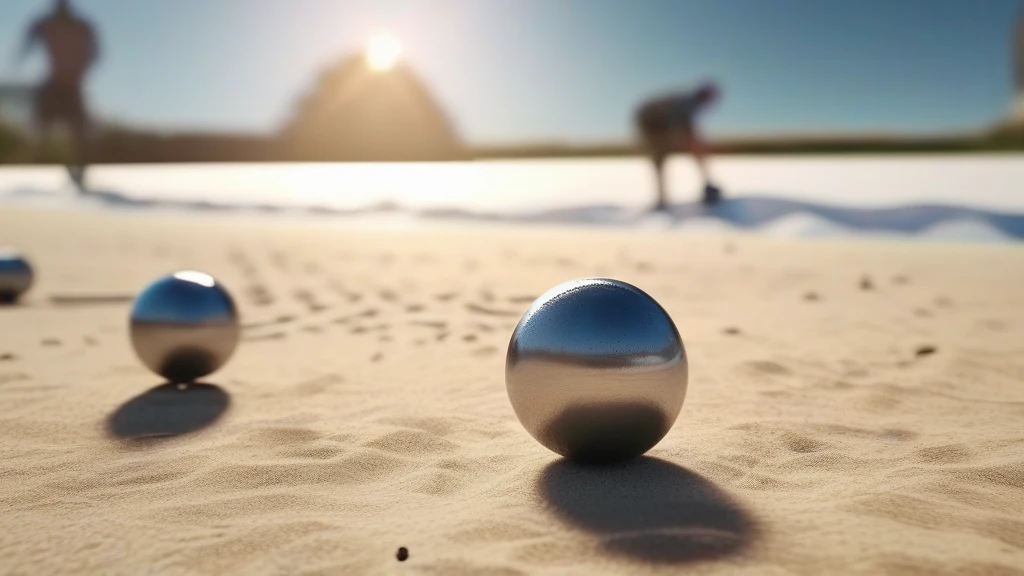
Pétanque, a beloved outdoor game with roots in French culture, has found a special place in beach outings, backyard gatherings, and camping trips worldwide. While its simple rules make it accessible for beginners, mastering advanced strategies requires a deeper understanding of precision, grip, and technique. Whether you’re playing with tournament-grade boules or family-friendly beach sets, honing these skills can elevate your game and enhance the fun for all players.
In this article, we’ll explore practical tips and strategies to improve your pétanque precision and grip, focusing on how equipment choice, throwing techniques, and tactical play can help you dominate the sand, gravel, or grass terrain.
Understanding the Importance of Precision in Pétanque
Precision is the cornerstone of pétanque. The goal is to place your boules as close as possible to the target ball (the jack), or to strategically displace your opponent’s boules. Unlike many toss games, where luck plays a larger role, pétanque rewards players who consistently control their throws.
Factors Affecting Precision
- Ball Weight and Balance: Heavier balls tend to be more stable in the air but require more strength to throw. Precision-balanced balls, often made of carbon steel or stainless steel, help maintain a steady trajectory.
- Surface Texture: Balls with textured or grooved surfaces can affect grip and spin, influencing how the boule rolls or stops.
- Environmental Conditions: Wind, sand consistency, and terrain irregularities can impact accuracy, requiring adjustments to your throwing force and angle.
By selecting the right boule set that matches your playing style and environment (e.g., rust-resistant steel for beach play or lighter aluminum for casual backyard games), you can set a strong foundation for precision.
Perfecting Your Grip: The Key to Control and Comfort
The way you hold your boule directly influences your control over its flight and landing. Advanced pétanque players focus on finding grips that maximize comfort while allowing subtle wrist and finger adjustments.
Types of Grips and Their Benefits
- Full-Hand Grip: Wrapping the fingers around the boule with the palm supporting underneath offers maximum control and is ideal for precise, gentle throws.
- Finger-Tip Grip: Holding the boule primarily with fingertips allows for more spin and finesse but requires practice to maintain accuracy.
- Ergonomic Grips and Textured Surfaces: Many modern boules feature grooves, patterns, or rubberized coatings designed to improve hold and reduce slippage, especially in humid or sandy conditions.
Tips for Improving Your Grip
- Dry Your Hands: Moisture or sand can reduce friction. Keep a small towel handy to dry your hands between throws.
- Use Chalk or Grip Aids: Some players lightly dust their hands with chalk or use grip-enhancing gloves to improve hold without sacrificing feel.
- Practice Consistency: Develop a routine grip method to build muscle memory and reduce variability in your throws.
Advanced Throwing Techniques to Enhance Precision
Beyond grip, the throwing technique itself is crucial for mastering pétanque. The ideal throw combines the right stance, arm movement, and release timing.
Stance and Positioning
- Stable Base: Position your feet shoulder-width apart with one foot slightly forward, offering balance and a solid foundation.
- Relaxed Posture: Tension can disrupt smooth motion. Keep your arm and shoulder relaxed while preparing to throw.
Throwing Styles
- Pointing (Placing): For precision placement near the jack, use a gentle underhand toss with minimal spin, focusing on a soft landing.
- Shooting (Striking): To knock away opponents’ boules, a more forceful throw with controlled spin is necessary. This requires a firmer grip and a quicker arm snap.
Release and Follow-Through
- Smooth Release: Let the boule roll off your fingers naturally rather than flicking it, allowing better control.
- Follow-Through Direction: Your arm movement after release should align with the target to maintain accuracy.
Regular practice focusing on these elements will improve your consistency and confidence on the playing field.
Tactical Play: Leveraging Precision and Grip for Competitive Advantage
Mastering grip and precision is vital, but pétanque is also a game of strategy. Advanced players use their skills to influence the game's flow.
Reading the Terrain
- Adapt to Surface: Hard-packed sand requires different force than loose gravel. Adjust your throw strength and angle accordingly.
- Utilize Terrain Features: Position boules behind obstacles or in strategic spots to block opponents or protect your scoring position.
Shot Selection
- Defensive vs. Offensive Shots: Decide whether to place your boule close to the jack or attempt to displace a competitor’s boule.
- Measuring Distance Accurately: Using measuring tapes or built-in scoring guides helps in making informed shot decisions.
Psychological Edge
- Consistent Technique: Demonstrating steady, precise throws can intimidate opponents.
- Reading Opponents: Anticipate others’ strategies and adjust your play to maintain control.
Choosing the Right Equipment to Support Your Skills
The right pétanque set can significantly impact your ability to execute advanced techniques.
Material Considerations
- Carbon Steel and Stainless Steel: Offer durability, weight, and balance preferred by serious players.
- Aluminum and Resin: Lighter options suitable for casual or younger players.
- Eco-Friendly Plastics: Sustainable choices that also provide good grip and weather resistance.
Customization
- Engraved Boules: Personalization helps identify your set and can improve grip with added texture.
- Adjustable Sizes: Some sets allow diameter changes, catering to hand size and grip preferences.
- Weatherproof Finishes: Rust-resistant and abrasion-resistant coatings extend lifespan and maintain surface quality.
Maintaining Your Grip and Precision Over Time
Skill improvement is ongoing, but equipment care is equally essential.
Cleaning and Storage
- Rinse boules after beach or sandy play to remove debris.
- Dry thoroughly before storage to prevent corrosion.
- Store in padded, portable cases to protect surfaces and maintain grip texture.
Regular Practice
- Incorporate drills targeting grip consistency and throw accuracy.
- Play in varied conditions to adapt your technique and equipment use.
Conclusion
Mastering advanced pétanque strategies hinges on developing precise control and a confident grip. By understanding how your equipment, throwing technique, and tactical choices intertwine, you can significantly elevate your game, whether playing casually on the beach or competing in backyard tournaments.
Investing time in perfecting your grip, practicing targeted throws, and selecting the right boules will not only improve your performance but also enhance your enjoyment of this classic outdoor pastime. Embrace these strategies, and you’ll find pétanque to be an engaging, social, and skillful game that brings people together across generations and settings.