
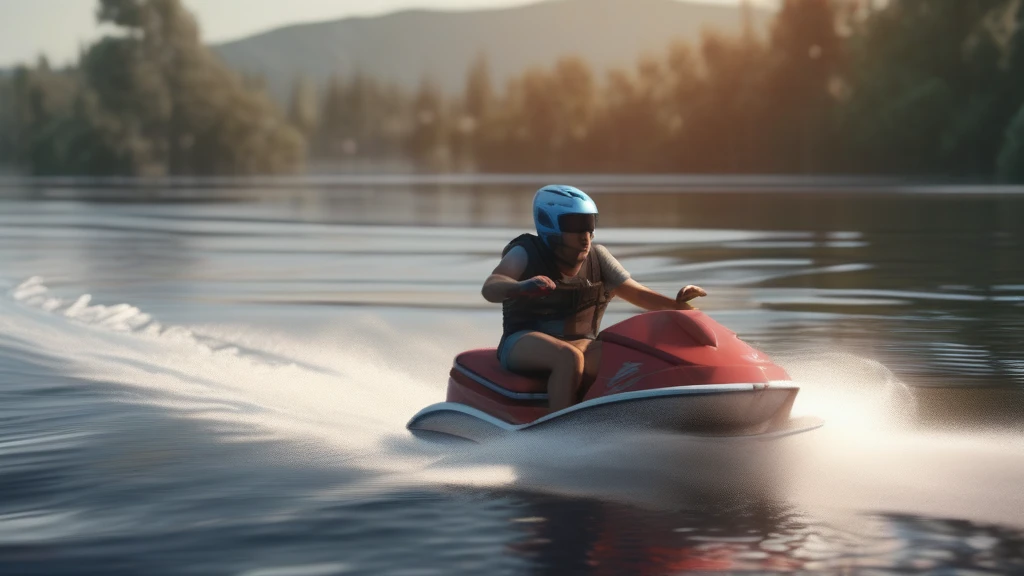
Kneeboarding is an exhilarating water sport that combines balance, skill, and speed, making it a favorite among beginners and seasoned athletes alike. Whether you're just starting out or aiming to perfect your freestyle tricks and competitive maneuvers, understanding the nuances of kneeboarding—from equipment selection to technique—is essential. This comprehensive guide explores everything from basic to advanced kneeboarding techniques, while also helping you choose the right board and maintain it for long-lasting enjoyment.
Understanding Kneeboard Basics
Before diving into techniques, it’s important to grasp the fundamentals of kneeboarding and equipment features that impact performance and safety.
What Is Kneeboarding?
Kneeboarding involves riding a specially designed board in a kneeling position while being towed behind a boat or jet ski. It offers a lower center of gravity than wakeboarding or water skiing, making it more accessible for beginners, yet it still provides thrilling opportunities for tricks and fast-paced rides.
Key Components of a Kneeboard
- Board Material: Most kneeboards are made from durable, lightweight materials like fiberglass, composite, and polyurethane. Advanced models often use premium carbon fiber for enhanced agility and reduced weight.
- Rocker Profile: The rocker (board curvature) affects speed and maneuverability. Flat or low rocker boards provide stability and smooth rides for beginners and family use, while continuous or high rocker profiles are designed for sharp turns and competitive performance.
- Fins: Fin configurations influence control and balance. No-fin boards are ideal for beginners for their added stability. Adjustable or detachable dual and hybrid fins cater to advanced riders seeking precision during tricks.
- Straps and Padding: Soft EVA or high-density foam pads offer comfort and grip, while adjustable ergonomic straps ensure secure positioning and safety on the board.
- Sustainability Features: Many modern kneeboards incorporate eco-friendly manufacturing processes and recyclable components, appealing to environmentally conscious riders.
Selecting the Right Kneeboard for Your Skill Level
Choosing the proper kneeboard tailored to your experience and goals is crucial for progress and enjoyment.
Beginner Kneeboards
Beginners benefit from boards with:
- Stability: Flat or low rocker design helps maintain balance.
- No fins or small fins: Enhances steadiness on the water.
- Comfort features: Soft, high-density foam padding and adjustable straps.
- Durability: Weatherproof coatings and UV resistance ensure long-lasting use.
- Family-friendly accessories: Carry bags, kneepads, and repair kits for convenience.
Intermediate and Advanced Boards
For riders ready to push their skills, advanced boards feature:
- High or continuous rocker profiles: Facilitate quick turns and trick execution.
- Adjustable or detachable fins: Allow customization for different water conditions and performance needs.
- Lightweight carbon fiber construction: Improves responsiveness and reduces fatigue.
- Certifications: TÜV, marine safety, and ISO standards ensure quality and reliability.
- Enhanced ergonomics: Precision straps and contoured padding for optimal control.
Mastering Basic Kneeboarding Techniques
Starting with the essentials helps build confidence and sets the foundation for more complex moves.
Mounting and Positioning
- Enter the water: Start in calm, shallow water with the board facing into the boat.
- Secure your knees: Place them on the padded kneeling area.
- Adjust straps: Tighten ergonomic straps snugly to keep your legs secure without restricting circulation.
- Hold the tow rope: Grip the handle firmly with both hands, keeping your arms slightly bent.
Getting Up and Riding
- Boat acceleration: As the boat starts moving, lean slightly back to maintain balance.
- Maintain posture: Keep your back straight and head up, looking forward.
- Balance: Use your arms and core muscles to stabilize.
- Steering: Shift your weight gently side to side to steer the board.
Stopping and Dismounting
- Signal the boat: Communicate your intent to stop with hand signals.
- Slow down: Let the boat reduce speed gradually.
- Lean back: Shift your weight backward to slow the board.
- Dismount: Release the straps and slide off the board safely into the water.
Advancing Your Kneeboarding Skills
Once comfortable with basic rides, you can explore tricks and competitive maneuvers.
Turning Techniques
- Edge control: Use your knees and hips to tilt the board edge into the water.
- Lean and carve: Practice smooth, carved turns by leaning into the direction you want to go.
- Use fins: Adjust fin settings to experiment with sharper turns and enhanced grip.
Freestyle Tricks
- Surface spins: Initiate spins by shifting weight and twisting your torso while maintaining balance.
- Air tricks: With experience, try jumps and flips by timing boat speed and using the wake effectively.
- Rolls and flips: Advanced riders can perform rolls by coordinating body movement and rope tension.
Competitive Maneuvers
- Speed runs: Utilize boards with continuous rocker and carbon fiber construction for maximum velocity.
- Precision control: Fine-tune fin positions and strap adjustments to optimize responsiveness.
- Trick combinations: Combine spins, flips, and edge maneuvers smoothly to score high in competitions.
Maintenance, Transport, and Storage Tips
Proper care extends your kneeboard’s lifespan and ensures consistent performance.
Cleaning and Upkeep
- Rinse after use: Wash the board with fresh water to remove salt, dirt, and debris.
- Check straps and pads: Inspect for wear and replace if necessary.
- Store dry: Avoid prolonged moisture exposure to prevent mold and material degradation.
Transporting Your Kneeboard
- Use padded bags: Protect the board from scratches and impacts during transport.
- Secure firmly: When mounted on vehicle racks, ensure the board is tightly fastened.
- Avoid extreme temperatures: Keep the board out of direct sunlight or freezing conditions during transit.
Storage Recommendations
- Indoor storage: Store boards in a cool, dry place away from UV light.
- Vertical or horizontal: Use racks or hooks designed for boards to prevent warping.
- Cover with cloth: Protect from dust and accidental damage.
Embracing Sustainability and Safety in Kneeboarding
Eco-conscious riders increasingly seek products that minimize environmental impact.
Sustainable Manufacturing Trends
- Low carbon footprint: Boards made with recycled or renewable materials reduce environmental harm.
- Recyclable components: Some boards allow end-of-life recycling, supporting circular economy principles.
- Non-toxic coatings: Use of water-based finishes reduces harmful chemical runoff.
Safety Certifications and Features
- ISO and marine safety standards: Ensure boards meet rigorous safety and quality benchmarks.
- Ergonomic design: Reduce injury risk through comfortable padding and secure straps.
- Visibility: Bright colors and reflective elements can improve visibility on the water.
Conclusion
Mastering kneeboarding involves a blend of the right equipment, foundational skills, and a gradual progression into advanced techniques. By selecting a kneeboard tailored to your skill level and intended use, understanding key features like rocker profiles and fin configurations, and maintaining your gear properly, you can enjoy a safe, fun, and rewarding experience on the water. Whether you’re cruising with family or competing in freestyle events, embracing these insights will help you ride with confidence and style.