
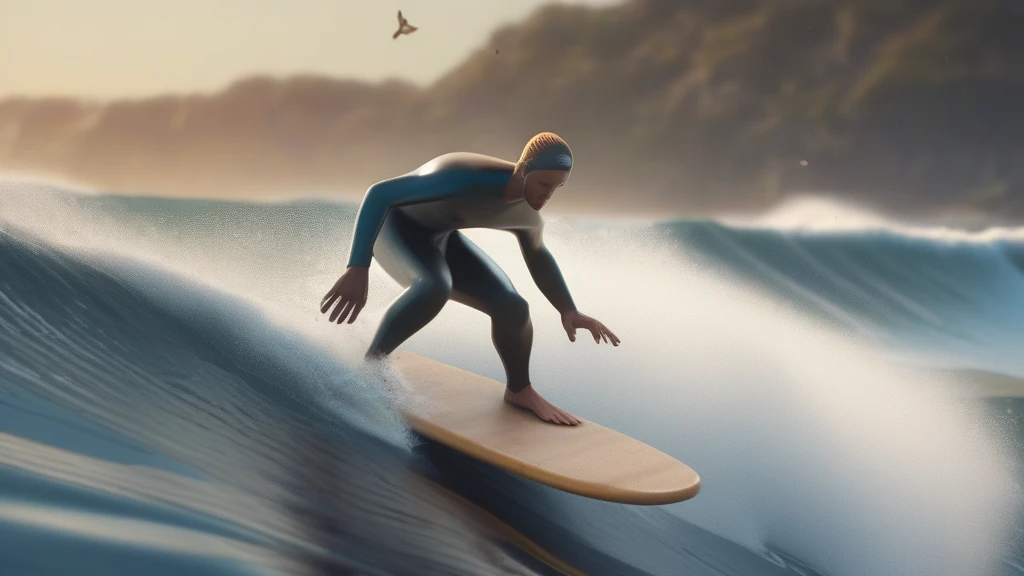
Noseriding stands as one of the most iconic and stylish maneuvers in the world of longboard surfing. This classic technique, where the surfer gracefully walks to the front of the board and rides the wave from the nose, requires a unique combination of skill, balance, and the right equipment. Whether you’re a beginner eager to try noseriding or an advanced surfer refining your style, understanding the essential techniques and longboard features can elevate your experience on the waves.
In this article, we explore the fundamentals of noseriding, share practical tips to master this artful move, and highlight the longboard characteristics that make a significant difference.
What is Noseriding?
Noseriding is a classic longboarding technique where the surfer positions themselves near the front tip of the board—known as the nose—and rides the wave with poise and control. This style emphasizes smoothness, balance, and wave reading, offering a timeless, elegant way to surf.
Unlike aggressive, high-speed maneuvers common in shortboarding, noseriding is about fluidity, maintaining momentum, and showcasing finesse. Successfully noseriding requires boards specifically designed to support stability at the front and techniques that allow you to shift your weight without losing control.
Key Techniques for Noseriding Success
1. Positioning and Balance
The foundation of noseriding lies in precise positioning and balance. Start by paddling into a suitable wave with enough power and a clean face. As the wave picks you up, gradually walk toward the nose of the board using slow, deliberate steps. Keep your knees slightly bent and your weight centered over the board.
Balance is crucial—too far forward and you risk nosediving; too far back and you lose the smooth glide. Use your back foot to control the board’s tail while your front foot gently presses near the nose to maintain grip.
2. Wave Selection
Not all waves are ideal for noseriding. Look for long, peeling waves with a gentle slope and consistent speed. These conditions allow the board to plane smoothly across the wave face, providing the momentum needed to stay on the nose.
Avoid steep or choppy waves when starting out, as these can make balance more challenging and increase the likelihood of falling.
3. Weight Distribution and Foot Placement
Mastering weight distribution is vital. Your front foot should be placed close to or slightly over the nose’s edge, depending on the board’s design. Your back foot helps steer and stabilize the board by applying subtle pressure to the tail.
Practicing fluid, minimal movements helps maintain speed and prevents the board from stalling or digging into the water.
4. Using the Leash and Wax
Leash use ensures safety by keeping your board close when you wipe out, but make sure it doesn’t interfere with your footwork. Waxing your board’s deck, especially near the nose and foot placement areas, provides the grip needed for confident steps and turns.
Longboard Features That Enhance Noseriding
The right longboard can make a world of difference in your noseriding ability. Several design elements and materials contribute directly to performance, stability, and control.
1. Length and Volume
Longboards typically range from 8'0" to 10'0" feet, with longer boards offering more stability and glide—ideal for noseriding. A board with ample volume (thickness and width) helps with buoyancy and keeps the board planing smoothly on the wave face.
For noseriding, boards around 9 feet or longer with wide, rounded noses provide the best platform to walk forward and maintain balance.
2. Tail Shape
Tail shapes affect turning ability and control. For noseriding, boards often feature round or squash tails that offer a good balance between maneuverability and stability.
- Round Tail: Smooth turns and steady hold on the wave.
- Squash Tail: Versatile, providing a mix of control and responsiveness.
Selecting the right tail shape helps maintain speed and control while positioned at the nose.
3. Rocker Profile
The rocker—the curve of the board from nose to tail—affects how the board handles waves.
- Flat or Moderate Rocker: Favored for noseriding, as it allows the board to glide smoothly without excessive drag.
- High Rocker: Less common for noseriding; better for steep, hollow waves.
A flatter rocker profile helps maintain momentum and makes walking to the nose easier.
4. Fin Setup
Fin configurations influence stability and turning. The classic single fin setup is popular for noseriding due to its smooth, predictable tracking and simple control.
Alternatively, a 2+1 setup (one large center fin with two smaller side fins) offers a blend of stability and maneuverability, allowing for subtle adjustments while riding the nose.
Adjustable or foldable fins add convenience for transport and adaptability to different wave conditions.
5. Construction Materials
Modern longboards use a variety of materials balancing durability, weight, and environmental impact:
- Polyurethane Foam Cores: Traditional and provide a solid feel.
- Epoxy and Fiberglass: Lighter and more durable, allowing for easier maneuverability.
- Carbon Fiber Reinforcements: Enhance strength while reducing weight.
- Eco-Friendly Materials: Sustainable manufacturing processes and recyclable components reduce environmental impact without sacrificing performance.
Lighter boards ease walking to the nose and executing delicate moves, while durable constructions withstand impacts during frequent use.
Additional Tips for Noseriding Enthusiasts
Practice Footwork on Land
Before hitting the waves, practice your nose-walking technique on flat ground or balance boards. Developing muscle memory and confidence in your foot placement is essential.
Use Soft-Top Boards for Beginners
Soft-top longboards provide extra grip and cushioning, ideal for those new to noseriding. Their wider, more stable decks help build confidence while learning balance and positioning.
Maintain Your Board for Optimal Performance
Regularly check your board for dings, cracks, and fin integrity. Applying fresh wax and ensuring your leash is secure contributes to a safer, more enjoyable surfing session.
Conclusion
Noseriding is a rewarding and elegant longboarding technique that combines skillful balance with the right equipment. By understanding essential techniques—such as precise foot placement, weight distribution, and wave selection—and choosing a longboard designed with the right length, rocker, tail shape, and fin setup, surfers can unlock smoother, more stylish rides.
Whether you’re just beginning your noseriding journey or aiming to perfect classic moves, focusing on these elements will enhance your confidence and connection with the waves. Dive into the timeless art of noseriding and experience the joy of gliding effortlessly on your longboard’s nose.