
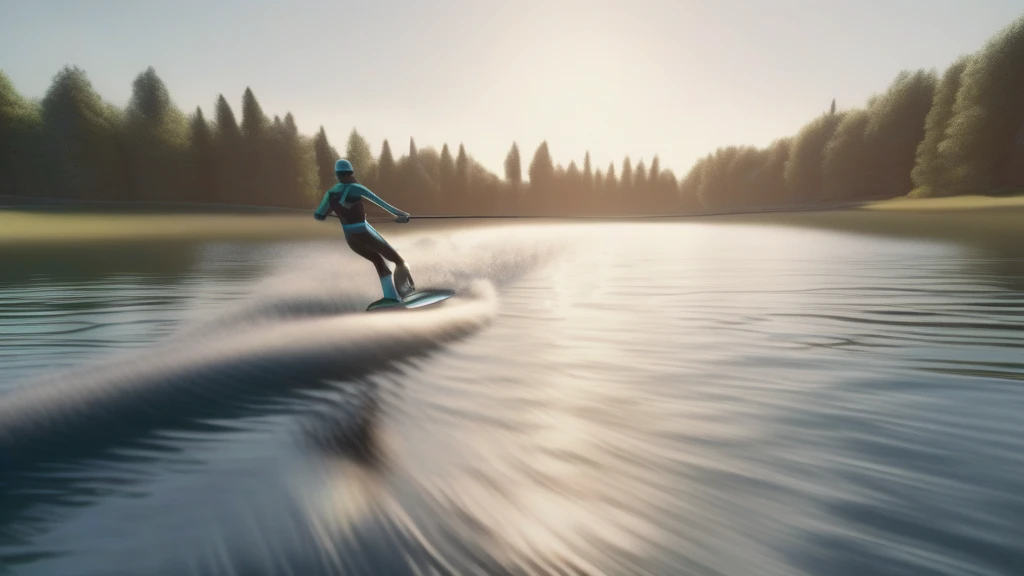
Trick water skiing is an exhilarating water sport that combines speed, agility, and artistry. Unlike traditional water skiing, trick skiing focuses on performing spins, flips, and a variety of freestyle maneuvers that challenge an athlete’s balance, control, and precision. Whether you’re a beginner eager to land your first 360 spin or an experienced skier aiming to perfect complex flips, mastering the core techniques is vital to progressing safely and confidently on trick water skis.
In this article, we’ll explore essential techniques that underpin successful trick water skiing, from body positioning and edging to timing and practice strategies. These insights will help you make the most of your trick water skis and elevate your performance on the water.
Understanding the Basics of Trick Water Skiing
Before diving into specific techniques, it’s important to recognize what sets trick water skiing apart. Trick skis are designed to be lightweight and highly maneuverable, allowing for rapid directional changes and aerial stunts on relatively calm water surfaces. The skis often feature advanced materials like carbon fiber and Kevlar for durability and responsiveness, along with customizable bindings and fin systems that enhance stability and control.
Mastering spins and flips requires synchronizing your body movements with the speed and tension of the tow rope, while maintaining optimal balance on these specialized skis.
Key Techniques for Mastering Spins on Trick Water Skis
1. Perfect Your Stance and Balance
A solid foundation begins with your stance. Position your feet shoulder-width apart on the skis with knees slightly bent to absorb shocks and maintain flexibility. Keep your core engaged and your upper body upright but relaxed. This posture provides the stability needed to initiate spins without losing control.
2. Use the Tow Rope Effectively
The tow rope is your lifeline. Maintain a firm but flexible grip, keeping your arms extended but not locked. As you prepare to spin, slightly lean back to build tension on the rope. This tension helps generate rotational momentum when you initiate the spin.
3. Initiate Spins with Edge Control
Trick skis are designed with adjustable fin systems that allow you to grip the water during turns. To start a spin (such as a 180 or 360), shift your weight to the inside edge of the ski in the direction you want to turn. This edge engagement acts like a pivot point, helping you to rotate smoothly.
4. Coordinate Head and Shoulder Movement
Your body leads the spin, so turn your head and shoulders first in the direction of the spin. This movement cues the rest of your body to follow. Keeping your eyes focused on your landing spot can improve spatial awareness and help maintain balance throughout the rotation.
5. Use Your Legs to Control Rotation Speed
Bend your knees to absorb water impact and extend them to increase rotation speed. Tightening your body into a compact shape during the spin can also help you rotate faster and more efficiently.
Foundational Techniques for Flips and Aerial Maneuvers
1. Build Confidence with Small Jumps
Before attempting full flips, practice small jumps and air awareness. Use the ski’s natural pop off the water’s surface by slightly compressing your knees and exploding upward as you hit the wake or a small wave.
2. Timing Your Takeoff
Timing is crucial for flips. Initiate the jump at the peak of the wake to maximize height and airtime. Pull the tow rope slightly toward your hips during takeoff to maintain tension and control.
3. Tuck and Rotate
Once airborne, tuck your knees toward your chest to reduce your moment of inertia, allowing you to flip more quickly. Coordinate your head and eye movement to spot the landing early, which aids in orienting your body for a smooth touchdown.
4. Prepare for Impact
Extend your legs and prepare to absorb the landing by flexing your knees just before touching down. A soft, controlled landing reduces the risk of falls and injuries.
Practice Tips to Enhance Your Trick Water Skiing Skills
1. Start Slow and Progress Gradually
Begin with basic spins and small jumps to build muscle memory and confidence. Gradually increase the difficulty and complexity of your tricks as your skills improve.
2. Use Video Analysis
Recording your sessions allows you to analyze your form, timing, and technique. Reviewing footage can highlight areas for improvement and track progress over time.
3. Train Balance and Core Strength Off the Water
Effective trick skiing demands exceptional balance and core stability. Incorporate exercises like yoga, Pilates, and balance board training into your fitness routine to enhance these attributes.
4. Work with an Experienced Coach
Professional coaching can accelerate skill acquisition by providing personalized feedback and tailored drills that address your specific needs.
Selecting the Right Equipment to Support Your Technique
The right trick water skis can significantly impact your ability to perform spins and flips. Look for skis that offer:
- Lightweight and durable materials: Carbon fiber and Kevlar composites provide strength without sacrificing agility.
- Adjustable fin systems: Customizable fins allow you to fine-tune edge grip for better control during spins.
- Ergonomic bindings: Open-toe or adjustable bindings improve comfort and safety for dynamic maneuvers.
- Portability features: Compact size and included carry bags facilitate transportation to your favorite skiing locations.
Using equipment that matches your skill level and skiing style helps you focus on refining your technique rather than compensating for subpar gear.
Safety Considerations for Trick Water Skiing
Mastering advanced spins and flips involves inherent risks. Always prioritize safety by:
- Wearing a properly fitted life jacket designed for water sports.
- Ensuring your bindings have quick-release mechanisms to prevent injury during falls.
- Practicing in calm water conditions with clear visibility.
- Using a spotter on the boat to monitor your performance and communicate effectively.
- Avoiding overly ambitious tricks until you have mastered foundational skills.
Conclusion
Trick water skiing is a thrilling blend of athleticism, artistry, and technical skill. By focusing on foundational techniques such as proper stance, edge control, timing, and body coordination, you can progressively master spins and flips with confidence and style. Coupled with the right equipment, consistent practice, and safety awareness, these techniques will help you unlock the full potential of your trick water skis and elevate your performance on the water.
Whether you’re just starting out or aiming for competitive freestyle, mastering these essential skills is key to enjoying and excelling in this dynamic water sport. So, take the plunge, practice diligently, and watch your spins and flips soar to new heights.