
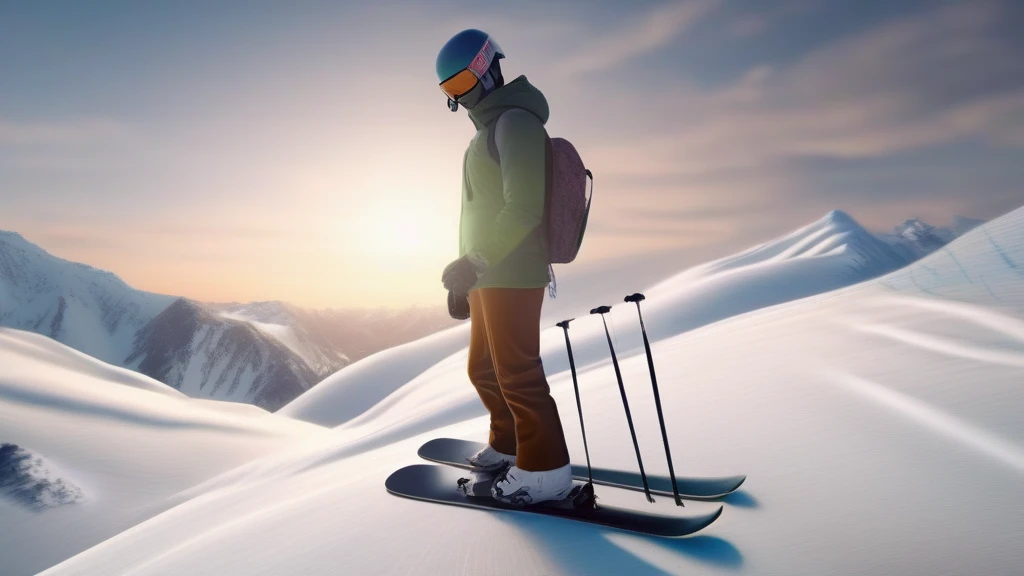
When it comes to winter sports like skiing and snowboarding, a helmet is an essential piece of gear that protects your head from impacts and harsh weather conditions. However, beyond safety certifications and impact resistance, comfort plays a crucial role in ensuring you can focus on your performance and enjoy your time on the slopes. A helmet that fits well, ventilates properly, and features a comfortable liner can make a significant difference during long days in cold, variable environments.
In this article, we’ll explore the key elements that maximize helmet comfort—fit, ventilation, and liner features—providing you with practical insights to select a helmet that keeps you protected and comfortable throughout your winter adventures.
Why Comfort Matters in Ski & Snowboard Helmets
Winter sports often involve extended periods outdoors in cold temperatures, wind, and changing weather. A helmet that is uncomfortable can distract you, cause headaches, or lead to overheating or excessive chilling. Comfort directly impacts your focus, endurance, and enjoyment. Moreover, a comfortable helmet encourages consistent use, which is critical for safety.
Let’s break down the three main factors that influence helmet comfort and how to evaluate them effectively.
1. Achieving the Perfect Fit
Understanding Helmet Sizing
Helmet fit is the foundation of comfort. A helmet that’s too tight may cause pressure points and headaches, while one that’s too loose can shift during activity, compromising protection. Most helmets come in multiple sizes and use adjustable fit systems to accommodate a range of head shapes and sizes.
Measure your head circumference around the widest part of your head, just above the eyebrows and ears, to find your starting size. Always refer to the specific helmet manufacturer’s sizing chart, as sizes can vary.
Adjustable Fit Systems
Modern ski and snowboard helmets often feature adjustable fit mechanisms such as dial-fit systems or multi-size removable padding. These allow you to fine-tune the helmet’s snugness for a secure yet comfortable fit.
- Dial Fit Systems: A small dial at the back of the helmet lets you tighten or loosen the fit with a simple twist.
- Multi-Size Pads: Removable foam pads inside the helmet can be swapped or repositioned for a customized fit.
Try the helmet on with your typical winter headwear, such as a beanie or thin balaclava, to ensure it fits well with layers.
Ear Pads and Chin Straps
Comfortable ear pads are essential for warmth and noise reduction but should not feel restrictive or cause excess pressure. Look for helmets with detachable or pressure-free ear pads that can be adjusted or removed depending on weather conditions.
Chin straps should be padded and equipped with quick-release buckles for easy adjustment and removal. A well-designed chin strap keeps the helmet securely in place without pinching or rubbing.
2. Ventilation: Balancing Warmth and Airflow
Why Ventilation is Crucial
Ventilation helps regulate temperature and moisture inside the helmet, preventing overheating and fogging of goggles. Since skiing and snowboarding involve physical exertion and outdoor exposure, an effective ventilation system enhances comfort by allowing fresh air in while expelling warm, moist air.
Types of Ventilation Systems
- Fixed Vents: Permanent openings strategically placed around the helmet to provide continuous airflow.
- Adjustable Vents: Vents that can be opened or closed depending on weather and activity level, giving you control over airflow.
- Removable Vent Covers: Some helmets include covers that can be detached to increase ventilation or reattached to preserve warmth in colder conditions.
Anti-Fog Airflow Design
Many helmets feature ventilation channels that direct airflow toward goggles to reduce fogging. Proper ventilation not only keeps your head cool but also maintains clear vision, critical for safety and performance.
Balancing Ventilation and Warmth
In cold weather, too much ventilation can lead to heat loss and discomfort, while inadequate ventilation may cause sweating and dampness. Helmets with adjustable or removable vent features allow you to customize airflow to suit changing weather and activity levels.
3. Liner Features: The Unsung Hero of Comfort
Materials and Construction
The liner is the inner cushioning layer of the helmet that touches your head. It plays a vital role in comfort by providing softness, moisture management, and insulation.
Common liner materials include:
- Fleece: Soft and warm, fleece liners are excellent for cold conditions.
- Sweat-Wicking Fabrics: These materials pull moisture away from the skin to keep you dry and comfortable.
- Removable and Washable Liners: Helmets with liners that can be removed and washed help maintain hygiene and freshness over time.
Impact on Fit and Stability
A well-designed liner not only cushions your head but also helps stabilize the helmet to prevent shifting during movement. Multi-density liners can offer both comfort and enhanced impact absorption.
Ear Pad Liners
Many helmets include fleece-lined or insulated ear pads that add an extra layer of warmth and comfort. Removable ear pads allow you to adjust insulation depending on temperature.
Additional Comfort Considerations
Lightweight Construction
Helmets made from lightweight materials like polycarbonate, carbon fiber, or hybrid composites reduce neck strain and fatigue during prolonged use without sacrificing protection.
Goggle Compatibility
A helmet that integrates seamlessly with goggles enhances comfort by preventing pressure points and gaps where cold air or snow can enter. Features like magnetic goggle clips or over-the-helmet goggle designs improve fit and convenience.
Sustainable and Eco-Friendly Options
Some helmet manufacturers focus on environmentally responsible production, using recyclable materials and low-carbon manufacturing processes. Choosing a helmet with sustainable features aligns comfort with your environmental values.
Conclusion
Maximizing comfort on the slopes starts with selecting a ski or snowboard helmet that fits securely, ventilates effectively, and features a high-quality liner designed for winter conditions. By prioritizing these features, you can enjoy long days on the mountain with optimal protection and minimal distractions.
When evaluating helmets, take the time to try different sizes and models, paying attention to how the fit feels with your usual winter headgear, how ventilation options match your preferred climate and activity level, and the quality and adjustability of the liner and ear pads. Comfort is personal and dynamic, but with the right knowledge, you can find a helmet that supports your performance and enjoyment across all your winter adventures.