
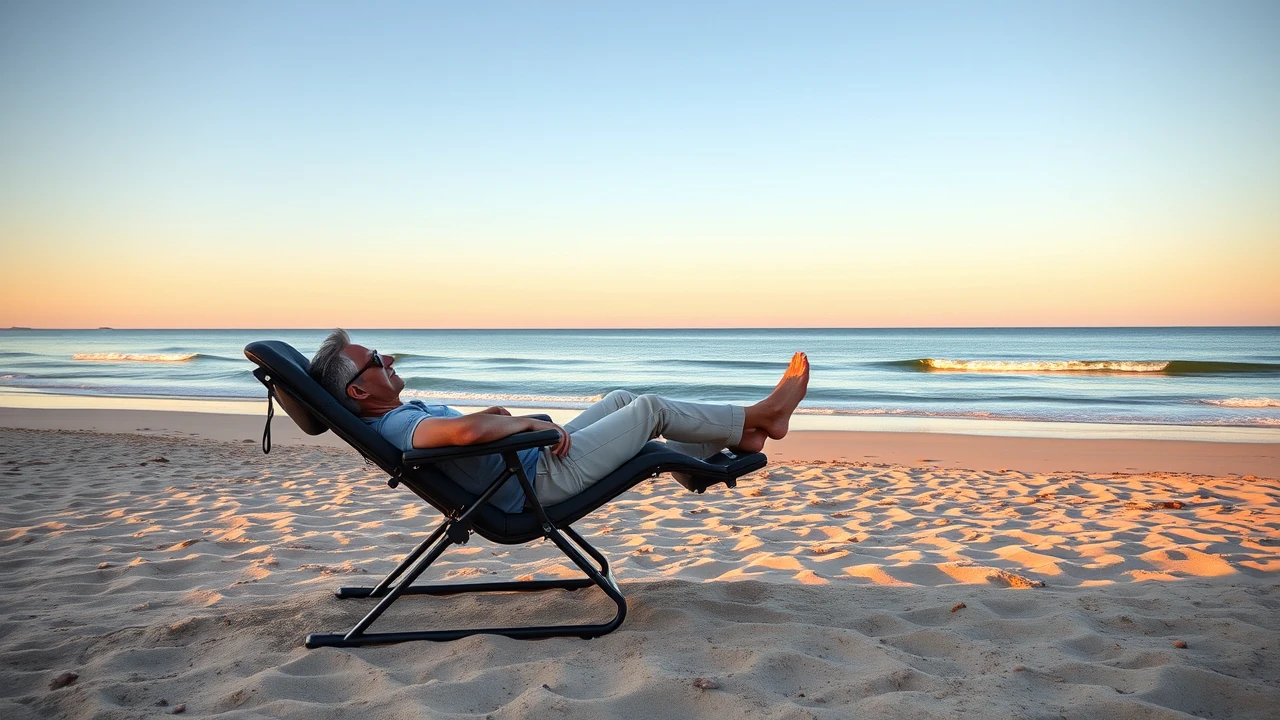
Whether you're settling in for a day at the beach, gearing up for a camping trip, or enjoying a leisurely afternoon fishing by the lake, having the right outdoor chair can make all the difference. Comfort is key when spending extended periods outdoors, and the best portable outdoor chairs combine thoughtful ergonomic design with adjustable features to help you relax fully. This guide explores how adjustable recline positions and ergonomic elements enhance outdoor seating, offering practical tips to help you choose the perfect chair for your adventures.
Understanding the Importance of Adjustable Recline in Outdoor Chairs
Why Recline Adjustment Matters
Outdoor activities often call for various seating postures—from upright sitting while cooking at a campsite to lounging back while soaking up the sun or watching the waves. Chairs with adjustable recline allow you to customize your seating angle to suit the moment, reducing muscle strain and promoting relaxation.
Unlike fixed-position chairs, adjustable recline models provide multiple angles, often ranging from fully upright to a near-flat lounge position. This versatility is especially valuable during long outings, enabling you to shift positions and relieve pressure points, which helps prevent stiffness and discomfort.
Common Recline Mechanisms
Outdoor chairs employ different mechanisms to achieve recline adjustment:
- Locking Hinges or Ratchet Systems: These allow incremental adjustments and secure the backrest firmly in place.
- Detent Positions: Some chairs offer preset angles you can switch between easily.
- Continuous Recline: Higher-end models may provide smooth, stepless recline adjustment for precise comfort.
When choosing a chair, consider how easy it is to alter the recline while seated, especially if you anticipate changing positions frequently.
Ergonomic Features That Enhance Outdoor Seating Comfort
Lumbar Support and Contoured Seating
Ergonomics focuses on designing chairs that support natural body posture and reduce stress on muscles and joints. Chairs with built-in lumbar support help maintain the spine's natural curve, preventing lower back pain during extended use.
Contoured seats and backrests cradle your body, distributing weight evenly and minimizing pressure points. Look for chairs that combine firm yet cushioned support, often achieved with breathable mesh panels or padded fabric sections.
Adjustable Footrests and Headrests
Some outdoor recliners include adjustable footrests, allowing you to elevate your legs, which improves circulation and enhances relaxation. Integrated or detachable headrests—sometimes in the form of inflatable pillows or padded cushions—support your neck and reduce tension.
Breathability and Fabric Technology
Ergonomic comfort also depends on temperature regulation. Chairs featuring breathable mesh panels promote airflow, keeping you cool on hot days. Fabrics made from UV-resistant, waterproof polyester or nylon not only withstand outdoor conditions but also dry quickly, preventing discomfort from moisture.
Balancing Comfort with Durability and Portability
Robust Frame Materials
The best outdoor chairs combine ergonomic comfort with durable construction. Lightweight aluminum and rustproof steel frames resist corrosion in humid or salty environments, ensuring longevity. Despite being sturdy, these materials keep chairs manageable in weight, contributing to portability.
Foldability and Transport Features
For outdoor enthusiasts, the ability to easily carry and store a chair is crucial. Foldable frames that compact down to small dimensions allow chairs to fit in vehicle trunks or storage compartments. Features like backpack straps, telescoping handles, and padded grips improve transport comfort, especially when hiking or moving across uneven terrain.
Weight Capacity Considerations
Ergonomic design must also accommodate different body types. Look for chairs rated to support moderate to heavy weight capacities—typically between 200 and 350 pounds—to ensure stability and comfort without compromising safety.
Practical Tips for Choosing and Using Adjustable Recline Outdoor Chairs
Match Chair Features to Your Activity
- Beach Lounging: Opt for chairs with multiple recline settings, breathable fabrics, and sunshade canopies to protect against UV exposure.
- Camping: Durable, weather-resistant materials and integrated storage pockets help keep essentials close. Adjustable footrests add extra comfort for downtime.
- Fishing: Low-profile chairs with ergonomic back support and sturdy frames offer stability on uneven riverbanks or boats.
Test Recline Ease and Stability
Before committing, check how easily the chair adjusts recline angles and whether it locks securely. A chair that wobbles or shifts unexpectedly can detract from relaxation and compromise safety.
Accessorize Thoughtfully
Enhance your seating experience with built-in cup holders, coolers, and storage compartments. These features keep refreshments and gear within reach, reducing the need to stand frequently.
Maintain Your Chair for Longevity
To preserve ergonomic comfort and durability:
- Regularly clean fabrics with mild soap and water.
- Store chairs in dry, shaded areas to prevent UV damage.
- Inspect locking mechanisms and hinges for wear or rust.
- Lubricate moving parts as needed to maintain smooth recline adjustment.
The Added Value of Eco-Friendly and Safety-Conscious Designs
Many modern outdoor chairs incorporate eco-friendly materials and sustainable manufacturing processes, appealing to environmentally aware consumers. Choosing chairs made from recycled fabrics or sustainably sourced metals helps reduce your ecological footprint.
Additionally, safety certifications such as ASTM, ISO, and TÜV ensure that chairs meet rigorous standards for structural integrity and user protection. Prioritizing chairs with such endorsements provides peace of mind alongside comfort.
Conclusion
Maximizing comfort outdoors hinges on selecting a chair that combines adjustable recline capabilities with ergonomic features tailored to your specific activities. Whether you’re lounging by the shore, camping in the woods, or relaxing at a fishing spot, the right chair supports your body, adapts to your needs, and withstands the elements. By considering frame materials, weight capacity, portability, and thoughtful extras, you can find an outdoor chair that transforms your recreational time into truly restorative moments. Prioritize comfort and functionality to make every outdoor outing more enjoyable and relaxing.