
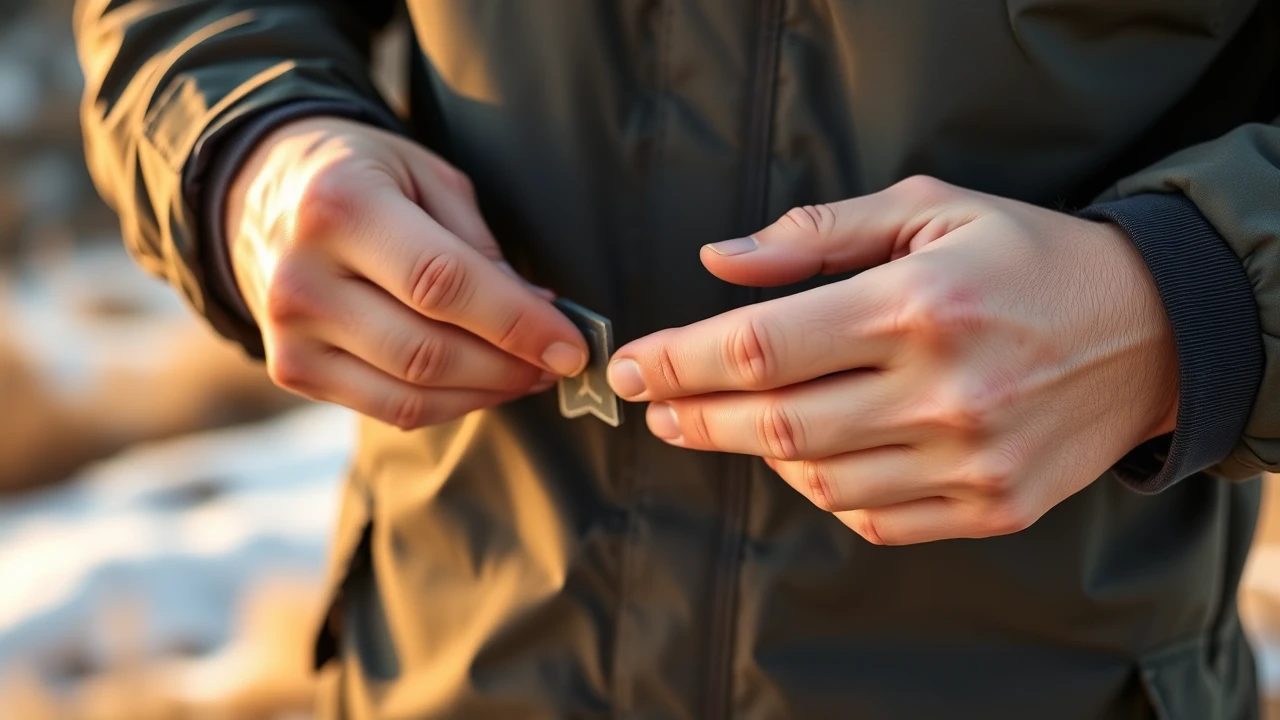
Fabric patches are a versatile and stylish way to personalize apparel, gear, and accessories. Whether you're an outdoor enthusiast, a traveler, a parent customizing kids’ backpacks, or a collector of vintage-inspired designs, fabric patches offer a unique blend of self-expression and functionality. To ensure your patches maintain their vibrant colors and structural integrity through countless adventures and washes, proper care is essential.
In this guide, we'll explore practical tips and insights into maximizing the durability of your fabric patches. From understanding different materials and application methods to maintenance routines and storage advice, you’ll learn how to keep your patches looking fresh and vibrant for the long haul.
Understanding Fabric Patch Types and Materials
Before diving into care tips, it’s important to recognize how patch type and material influence durability and maintenance.
Common Patch Materials
- Embroidered Textiles: Made from threads stitched onto a fabric base, these patches often feature intricate designs and vibrant colors. They are breathable and flexible but require gentle care to avoid fraying.
- Vinyl and PVC: These synthetic materials are waterproof and scratch-resistant, ideal for outdoor gear. They are less prone to fading but can be sensitive to heat.
- Polyester and Nylon: Durable and often used for iron-on patches, these fabrics resist UV rays and fading but may require lower heat settings during application.
- Rubberized Patches: Known for their 3D texture and resilience, these patches are great for heavy use but need careful cleaning to avoid degradation of the rubber coating.
Application Methods and Their Impact on Durability
- Iron-On Patches: Use heat-activated adhesive. They are quick to apply but may weaken after repeated washes if not properly sealed.
- Sew-On Patches: Attached by stitching, offering the strongest bond and best longevity, especially for high-movement areas.
- Peel-and-Stick Patches: Temporary and less durable, suitable for short-term use or easy repositioning.
- Velcro Patches: Provide reusability but require regular cleaning of hook-and-loop surfaces to maintain grip.
Knowing your patch’s material and application method will guide the best care practices.
Applying Your Patch Correctly for Longevity
Proper application sets the foundation for durability. Here are some best practices:
- Follow Manufacturer Instructions: Heat settings for iron-on patches vary by fabric type; too much heat can damage the patch or garment.
- Pre-Wash the Garment: This removes sizing and finishes that might interfere with adhesion.
- Use Reinforcement: For iron-on patches, sewing around the edges adds extra security against peeling.
- Press Firmly and Evenly: Use a heat press or household iron with steady pressure to activate adhesives fully.
- Allow Cooling Time: Let the patch cool completely before moving the garment to ensure the adhesive sets.
For sew-on patches, tight, even stitches around the edges and a few cross stitches in the center prevent curling and wear.
Caring for Fabric Patches During Use and Laundering
Fabric patches often adorn items exposed to outdoor elements, frequent washing, and rough handling. Here’s how to care for them daily:
Washing Tips
- Turn Garments Inside Out: This minimizes abrasion on the patch surface.
- Use Gentle Cycles: Opt for cold water and delicate cycles to reduce stress on adhesives and threads.
- Avoid Harsh Detergents: Use mild, eco-friendly detergents that won’t fade colors or degrade materials.
- Skip Fabric Softeners: They can weaken adhesives and affect reflective or glow-in-the-dark finishes.
- Air Dry When Possible: Heat from dryers can cause patches to peel or warp. If using a dryer, choose low heat.
Spot Cleaning
For patches on items that don’t require full washing:
- Use a damp cloth with mild soap to clean the surface gently.
- Avoid soaking patches, especially those with iron-on adhesives or rubber components.
- For stubborn stains, a soft-bristled toothbrush can help without damaging embroidery or coatings.
Avoiding Excessive Sun Exposure
While many fabric patches feature UV resistance, prolonged exposure to direct sunlight can eventually cause fading. When not in use, store patched items in shaded or indoor areas.
Storage and Handling for Long-Term Preservation
Proper storage extends the life of your patches and the items they adorn.
- Store Flat or Folded Carefully: Avoid creasing patches by folding garments with patches in a way that minimizes pressure on them.
- Use Breathable Storage Bags: To prevent moisture buildup that can lead to mildew or adhesive failure.
- Keep Away from Extreme Temperatures: Both heat and cold can weaken adhesives and distort materials.
- Remove Removable Patches Before Storage: Velcro or peel-and-stick patches should be detached to avoid dust buildup and loss of stickiness.
Enhancing and Restoring Patch Vibrancy
Over time, patches can lose some of their original luster. Here are ways to refresh their appearance:
- Light Touch-Ups: For embroidered patches, carefully trimming loose threads and gently brushing dirt away can improve look without damage.
- Protective Sprays: Some water-repellent and UV-protective sprays designed for fabrics can help maintain color and resist stains. Always test on a small area first.
- Reinforcement Stitching: Adding a new stitch line around edges can prevent curling and fraying.
- Avoid Overloading with Additional Embellishments: Too many layers or heavy decorations can stress the patch and cause peeling or damage.
Benefits of Eco-Friendly Care Practices
Many fabric patches are made from sustainable materials with non-toxic adhesives and recyclable packaging. Extending their life with mindful care aligns with environmental responsibility:
- Using gentle detergents reduces chemical runoff.
- Air drying conserves energy.
- Proper patch maintenance delays replacement, reducing waste.
Embracing eco-conscious care supports the longevity of your patches and the planet.
Conclusion
Fabric patches are more than just decorative accents—they’re durable, functional pieces designed to express personality and enhance gear for active lifestyles. By understanding your patch’s material and application type, applying it correctly, and following tailored care instructions, you can keep your patches vibrant and intact through outdoor adventures, family outings, and everyday use.
With thoughtful washing, storage, and maintenance, your fabric patches will continue to showcase your style and stories, season after season. Embrace these care tips to maximize durability and enjoy the full creative and functional potential of your fabric patches.