
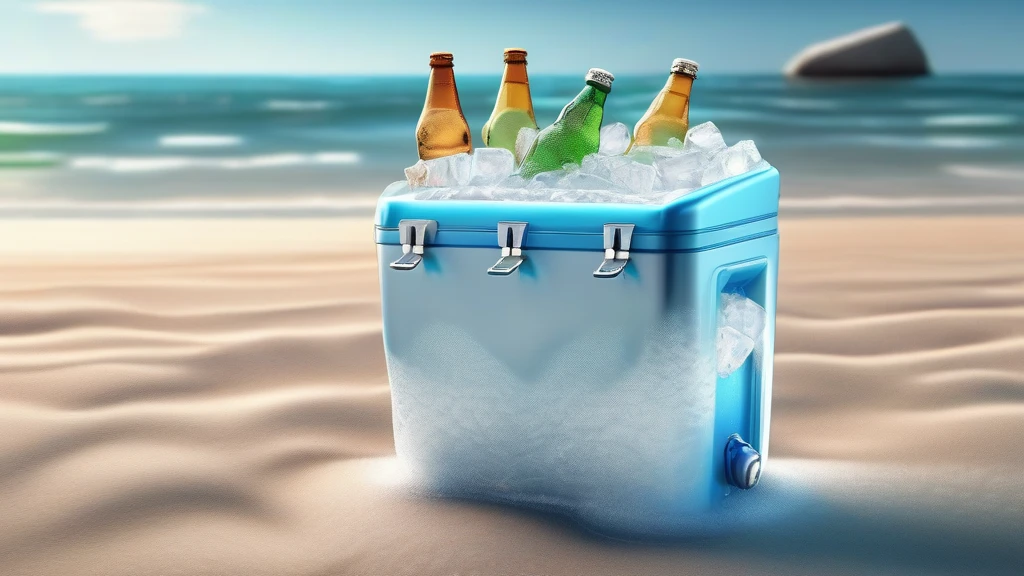
When planning outdoor adventures—be it camping, fishing, beach outings, or backyard gatherings—having a reliable cooler is essential for keeping your food and beverages fresh and chilled. Modern coolers are engineered with advanced insulation and durable materials to extend ice retention from hours to even days, but simply owning a high-quality cooler doesn’t guarantee optimal performance. How you pack, maintain, and manage your cooler can dramatically influence how long your ice stays solid and your contents remain cold.
This guide offers expert tips and practical advice to maximize ice retention in your cooler, helping you enjoy longer-lasting refreshment during all your outdoor activities.
Understanding Cooler Types and Their Impact on Ice Retention
Before diving into ice retention strategies, it’s helpful to understand how different cooler types influence cooling performance.
Hard-Shell Rotomolded Coolers
These coolers feature thick, durable walls made from rotomolded plastic and high-density insulation materials. Their robust construction provides excellent cold retention—often up to 72 hours or more—making them ideal for multi-day excursions, fishing trips, or large group events. Their heavy-duty build also offers superior resistance to impacts, UV rays, and harsh weather.
Soft-Sided Fabric Coolers
Made from insulated polyester or nylon with EVA foam layers, soft coolers are lightweight and portable, perfect for day trips or casual outings. While generally less effective at retaining ice for extended periods compared to hard coolers, quality soft coolers with double-walled insulation can keep contents cold for 12 to 24 hours.
Electric Coolers
Powered by vehicle outlets or rechargeable batteries, electric coolers maintain consistent temperatures without the need for ice. These are convenient for road trips or places where ice resupply is limited. However, their portability depends on power availability, and they may not always match the cooling power of ice-based hard coolers in off-grid settings.
Expert Tips to Maximize Ice Retention
Regardless of your cooler type, several best practices can significantly improve ice longevity.
1. Pre-Chill Your Cooler
Starting with a cold cooler interior reduces the energy ice must expend to cool the space. Before packing, fill your cooler with ice or ice packs and let it sit for 30 minutes to an hour. Alternatively, place it in a shaded, cool area to minimize warming.
2. Use Large Ice Blocks or Ice Packs
Larger ice blocks melt more slowly than crushed or cubed ice because they have less surface area exposed to warm air. Consider freezing water in large containers or using commercial block ice. Ice packs are reusable and designed to stay cold longer, making them excellent supplements or alternatives to loose ice.
3. Keep Your Cooler Packed and Organized
A full cooler retains cold better than a half-empty one because the ice melts slower when surrounded by items. If you don’t have enough food or drinks to fill the space, add frozen water bottles to fill gaps. Organize contents so you can access items quickly without letting cold air escape for too long.
4. Minimize Opening Frequency
Every time you open your cooler, cold air escapes and warm air enters, accelerating ice melt. Designate a cooler “manager” to reduce unnecessary opening, and plan what you need before lifting the lid.
5. Store in a Shaded, Cool Location
Keep your cooler out of direct sunlight and away from heat sources. Using a reflective cooler cover or placing it on a cool surface like grass or concrete (avoiding hot asphalt) can reduce heat absorption.
6. Use Insulating Barriers Inside
Layering your cooler with insulating materials such as foam or reflective blankets between ice and contents can add an extra barrier against heat transfer. Additionally, placing a dry towel on top of ice helps reduce moisture evaporation and maintain cold temperatures.
7. Drain Meltwater Regularly
Water speeds up ice melting by raising the temperature inside the cooler. Many coolers come with drain plugs—use these to remove excess water without losing ice. Dry ice can also be used carefully but requires proper ventilation and handling.
Organizing Your Cooler for Efficiency and Convenience
Maximizing ice retention is not just about cold—it’s also about how you pack and access your cooler.
Separate Food and Drinks
Pack food and drinks in separate compartments or use removable dividers if your cooler allows. This prevents frequent opening of the entire cooler when only drinks are needed, preserving cold air in the food section.
Use Leakproof Containers
Place perishable or liquid items in sealed, leakproof containers. This protects your cooler liner from stains and odors, and avoids moisture buildup that can accelerate ice melt.
Incorporate Dry and Wet Storage Zones
Consider using waterproof bags or containers for items that don’t require cooling, keeping them dry and organized. This separation can prevent water from melted ice from damaging dry goods.
Maintenance and Cleaning for Longevity and Performance
Proper care of your cooler ensures it retains its insulation efficiency and durability over time.
Clean After Each Use
Rinse your cooler with mild soap and warm water after each trip. Avoid harsh chemicals that can degrade insulation or coatings. Remove any stains promptly using baking soda paste or vinegar solutions.
Dry Thoroughly to Prevent Mold
Leaving your cooler damp encourages mold and mildew growth, which can cause odors and damage materials. After cleaning, leave the lid open in a shaded, ventilated area to dry completely.
Inspect Seals and Hinges
Check rubber gaskets, seals, and hinges regularly for wear or damage. Replacing worn seals helps maintain airtight closure, which is crucial for ice retention.
Eco-Friendly Considerations in Cooler Selection and Use
Many modern coolers incorporate sustainable materials such as BPA-free plastics, recyclable fabrics, and eco-conscious manufacturing processes. When selecting a cooler, consider:
- Material Sustainability: Opt for coolers made with recyclable or biodegradable components.
- Durability: Investing in a durable cooler reduces waste by extending product life.
- Energy Use: For electric coolers, look for energy-efficient models with low power consumption.
By combining eco-friendly choices with smart usage habits, you can minimize your environmental footprint while enjoying outdoor adventures.
Conclusion
Maximizing ice retention in your cooler is a blend of selecting the right cooler type and applying effective packing, storage, and maintenance techniques. Whether you prefer a rugged hard cooler for extended fishing trips, a lightweight soft cooler for beach days, or an electric cooler for road trips, these expert tips will help you keep your food and beverages cold for longer periods.
By pre-chilling, using large ice blocks, packing efficiently, minimizing lid openings, and properly maintaining your cooler, you can confidently enjoy fresh, chilled refreshments no matter where your outdoor lifestyle takes you.