
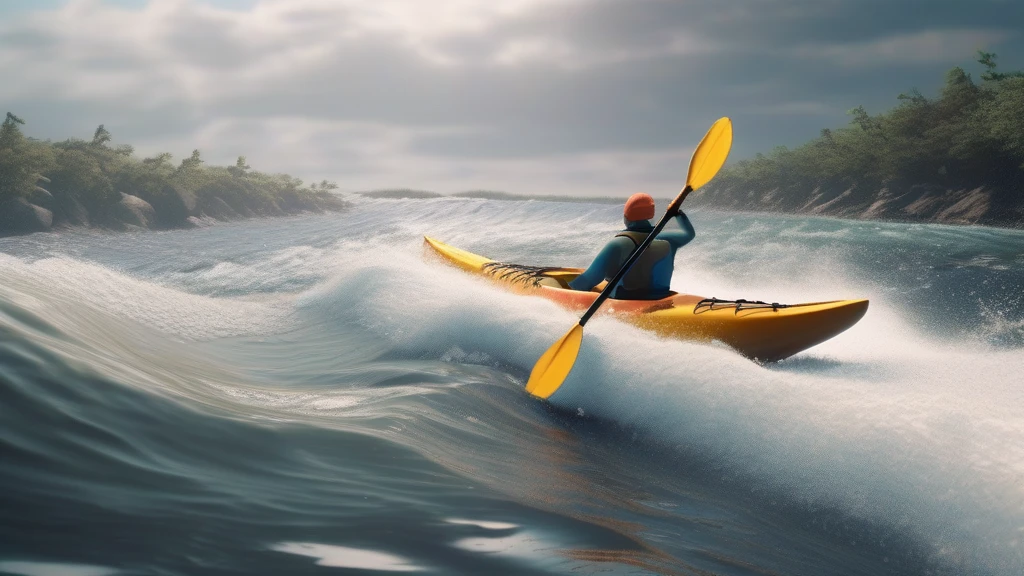
Exploring coastal and estuarine environments by kayak opens up a world of adventure, blending the thrill of paddling with the beauty of diverse aquatic landscapes. While the term "whitewater kayak" often conjures images of rapid river runs, many kayaks in this category are specifically engineered for stability, speed, and endurance in tidal waters, bays, and open oceans. Choosing the right kayak for these conditions requires understanding key features, materials, and design elements that align with your paddling style and environment. This guide will help you navigate the options to select the best whitewater kayak for your coastal and estuary expeditions.
Understanding the Unique Demands of Coastal and Estuary Kayaking
Tidal Waters and Their Challenges
Coastal and estuarine waters present dynamic and sometimes unpredictable conditions. Tides cause shifting currents, varying depths, and changing access to shorelines. Wind and waves can amplify paddling difficulty, while saltwater and sun exposure demand durable and resistant equipment. Unlike river rapids, these waters require kayaks designed for longer distances, stability in choppy conditions, and efficient tracking to maintain course against currents.
Key Kayak Performance Factors for These Environments
- Stability: Essential for maintaining balance amidst waves and wakes.
- Speed and Tracking: Ability to glide efficiently and hold a straight line in changing currents.
- Durability: Resistance to UV damage, impacts from rocks or debris, and corrosion from saltwater.
- Portability: Ease of transport and storage, especially when launching from remote coastal points.
- Storage Capacity: Space for gear on multi-day trips or extended paddling.
Materials Matter: Choosing the Right Kayak Construction
The material composition of a kayak significantly influences its weight, durability, maintenance needs, and cost. Here’s an overview of the common materials used in whitewater kayaks suited for coastal use:
Carbon Fiber and Kevlar
- Advantages: Extremely lightweight and stiff, offering excellent performance and responsiveness.
- Durability: Good impact resistance but can be vulnerable to sharp impacts; often reinforced with resin.
- Maintenance: Requires careful handling; repairs are more complex.
- Ideal For: Experienced paddlers prioritizing speed and endurance on long expeditions.
Fiberglass
- Advantages: Lightweight and offers a smooth, efficient hull shape.
- Durability: Fairly robust but less impact-resistant than polyethylene; prone to cracking on hard impacts.
- Maintenance: Easier to repair than carbon fiber; requires UV protection.
- Ideal For: Intermediate to advanced paddlers seeking a balance of performance and weight.
Rotomolded Polyethylene
- Advantages: Highly durable and impact-resistant; typically more affordable.
- Durability: Excellent for rugged use; can withstand beach landings and rocky shores.
- Weight: Heavier compared to composite materials.
- Maintenance: Low maintenance and UV-resistant.
- Ideal For: Beginners or those prioritizing toughness over speed.
Thermoformed ABS and High-Density Polypropylene
- Advantages: Lightweight and durable with good UV resistance.
- Durability: Resistant to cracking and fading.
- Maintenance: Easy to maintain with occasional cleaning.
- Ideal For: Recreational paddlers and fitness enthusiasts.
Solo vs. Tandem: Finding Your Perfect Fit
Solo Kayaks
- Pros: More maneuverable and lighter, allowing for faster paddling and easier transport.
- Use Case: Ideal for fitness paddling, solo exploration, and situations requiring agility.
- Considerations: Limited gear storage compared to tandem models.
Tandem Kayaks
- Pros: Greater load capacity, allowing for more gear or an additional paddler.
- Use Case: Perfect for shared adventures, novice paddlers learning together, or extended expeditions needing extra storage.
- Considerations: Heavier and less maneuverable; requires coordination between paddlers.
Selecting between solo and tandem kayaks depends on your paddling goals, skill level, and whether you often paddle alone or with a partner.
Safety Certifications: What They Mean and Why They Matter
When selecting a kayak for tidal and coastal waters, safety certifications offer assurance about design standards and performance:
- US Coast Guard (USCG): Certifies boats for flotation and stability, ensuring they meet minimum safety requirements.
- TÜV: A European certification denoting compliance with stringent quality and safety standards.
- CE (Conformité Européenne): Indicates conformity with EU safety, health, and environmental protection standards.
- ISO (International Organization for Standardization): Covers safety and performance standards globally.
Choosing kayaks with these certifications ensures reliability in challenging environments and compliance with legal requirements in some regions.
Essential Features for Coastal Kayaking Comfort and Performance
Adjustable Seating and Ergonomics
Long paddling sessions demand comfortable, customizable seating to reduce fatigue and improve control. Look for kayaks with adjustable backrests, thigh braces, and footrests.
Spray Skirts
Vital for keeping water out of the cockpit during waves or splashes, spray skirts enhance safety and comfort, especially in tidal and choppy waters.
Skegs and Rudders
These appendages improve directional control and tracking, helping maintain course against wind and currents. Skegs are often fixed or retractable, while rudders provide more precise steering.
Storage Solutions
Deck bungees and sealed hatches provide secure storage for gear, snacks, and safety equipment, essential for extended trips.
Load Capacity
A higher load capacity (typically 300-500 lbs) accommodates paddler weight plus gear, ensuring the kayak remains stable and efficient.
Maintenance Tips to Extend Your Kayak’s Lifespan
- UV Protection: Prolong exposure to sunlight can degrade materials. Use kayak covers, UV sprays, or store indoors when not in use.
- Saltwater Rinse: After each trip, rinse thoroughly with fresh water to remove salt deposits that can corrode parts and damage hull finishes.
- Inspect Seals and Hatches: Regularly check for leaks or wear in hatch covers and spray skirts.
- Hull Care: Avoid dragging the kayak over rough surfaces; use cradle bags or wheels for transport.
- Storage: Store kayaks off the ground in shaded, well-ventilated areas; foldable models should be dried and stored according to manufacturer guidelines.
Transporting and Storing Foldable and Compact Kayaks
Foldable kayaks offer unmatched portability, especially when access to coastal launch sites involves hiking or limited vehicle space. When handling foldable or compact kayaks:
- Use integrated carrying systems like shoulder straps or wheels.
- Ensure the kayak is fully dry before folding to prevent mold.
- Store in a cool, dry place away from direct sunlight.
- Follow manufacturer instructions for folding to avoid damage.
Training and Fitness: Getting the Most from Your Kayak
Paddling in tidal waters requires endurance, strength, and technique. Incorporate these into your training:
- Cardiovascular Conditioning: Long-distance paddling demands aerobic fitness. Activities like running, cycling, or swimming complement kayaking.
- Strength Training: Focus on core, shoulder, and back muscles to improve stroke power and injury prevention.
- Paddling Technique: Practice efficient strokes, bracing, and maneuvering to conserve energy.
- Safety Drills: Learn self-rescue techniques and practice with spray skirts and flotation devices.
Conclusion
Selecting the best whitewater kayak for coastal and estuary expeditions involves balancing materials, design features, safety, and personal paddling goals. Whether you prioritize lightweight speed, rugged durability, solo agility, or tandem capacity, understanding these factors will empower you to choose a kayak that enhances your adventure and keeps you safe on the water. By considering construction materials, essential features, and maintenance practices, you’ll be well-equipped to navigate tidal waters with confidence and enjoyment.