
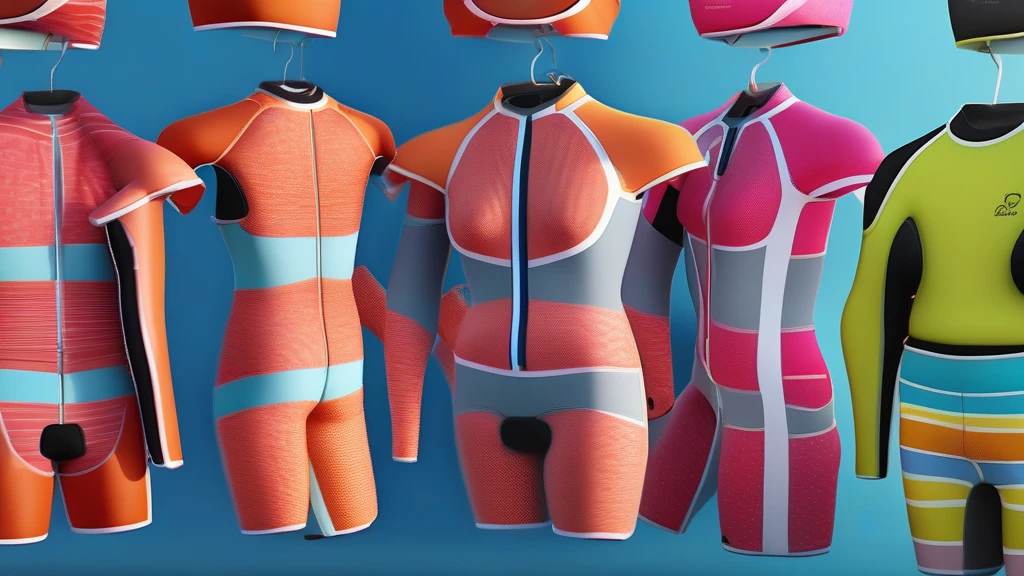
When it comes to selecting the perfect rash guard or swim shirt for your boating and water sports adventures, understanding the differences between common materials like neoprene, Lycra, and spandex can make all the difference. Each fabric offers unique benefits tailored to various activities, climates, and personal preferences. This guide breaks down these materials to help you make an informed decision that maximizes comfort, protection, and performance on the water.
Understanding Rash Guard Materials: The Essentials
Rash guards serve multiple purposes: they protect your skin from harmful UV rays, reduce abrasion from board surfaces or equipment, provide thermal insulation, and support unrestricted movement with their stretchy, form-fitting designs. The material you choose influences all these factors.
What Is Neoprene?
Neoprene is a synthetic rubber widely recognized for its excellent insulation properties. It’s the go-to fabric for wetsuits and thicker rash guards designed for colder water or extended exposure to wind and spray.
- Thermal Insulation: Neoprene traps a thin layer of water between your skin and the fabric, which your body warms, keeping you comfortable in chilly environments.
- Thickness and Buoyancy: Available in varying thicknesses, neoprene adds buoyancy and extra protection against impacts or abrasions.
- Durability: This material withstands harsh conditions and repeated exposure to saltwater, making it highly durable.
- Flexibility: Modern neoprene blends are engineered for stretch, but they generally offer less breathability compared to Lycra or spandex.
What Is Lycra?
Lycra is a brand name often used interchangeably with elastane or spandex, but in general, Lycra refers to a soft, stretchy fabric prized for its comfort and fit.
- Lightweight and Breathable: Lycra rash guards are thinner and allow better air flow, ideal for warm climates and high-intensity activities.
- UV Protection: Many Lycra garments are treated to provide excellent protection against ultraviolet rays without adding bulk.
- Quick-Drying: This fabric dries rapidly, which is great for those who transition between water and land activities.
- Stretch and Fit: Lycra offers a snug, second-skin fit that moves with your body, reducing drag in the water.
What Is Spandex?
Spandex is a stretchy synthetic fiber closely related to Lycra (Lycra is a brand of spandex). It’s known for exceptional elasticity and is often blended with other fabrics to enhance performance apparel.
- Superior Stretch: Spandex allows for a full range of motion, making it a favorite among surfers, swimmers, and combat sports athletes.
- Comfort and Fit: Its elasticity ensures rash guards conform closely to your body, minimizing chafing during vigorous activities.
- Lightweight: Like Lycra, spandex-based rash guards are breathable and quick-drying.
- Durability: When blended with nylon or polyester, spandex enhances the garment’s durability and resistance to UV damage.
Matching Material to Activity and Environment
Choosing between neoprene, Lycra, and spandex largely depends on the type of water sport you practice, the climate, and your personal comfort needs.
For Cold Water or Extended Exposure: Neoprene
If you’re surfing in chilly ocean waters, paddleboarding on brisk mornings, or engaged in activities where staying warm is critical, neoprene rash guards provide the thermal insulation you need. Their thickness helps retain body heat and offers extra padding against abrasions from surfboards or rocky shorelines.
For Warm Weather and High Activity: Lycra or Spandex
In tropical climates or during high-energy activities like swimming, snorkeling, or beach volleyball, Lycra or spandex rash guards are preferable. Their breathability and quick-drying nature keep you cool and comfortable, while offering sun protection and flexibility.
For Combat and High-Impact Water Sports: Spandex Blends
Athletes involved in grappling, mixed martial arts, or water-based combat training benefit from spandex-based rash guards. The superior stretch and snug fit reduce the risk of snagging and skin irritation while allowing full mobility.
Tips for Proper Fit and Sizing
A rash guard should feel like a “second skin” — snug but not restrictive. Here’s how to ensure the right fit:
- Measure Carefully: Check sizing charts for chest, waist, and torso length. Keep in mind that different brands may vary slightly.
- Try It On: If possible, try the garment on with your typical swimwear underneath to assess comfort and mobility.
- Consider Layering: For colder conditions, you might wear a thinner Lycra rash guard underneath a neoprene vest or wetsuit.
- Check Sleeve Length: Long sleeves offer better sun protection and abrasion resistance but may feel warmer. Short sleeves provide more ventilation.
Caring for Your Rash Guard to Extend Its Life
Maintaining your rash guard properly preserves its protective qualities and fit:
- Rinse After Use: Always rinse with fresh water after exposure to saltwater or chlorinated pools to remove irritants.
- Air Dry: Avoid direct sunlight when drying, as UV rays can degrade fabric fibers over time.
- Gentle Wash: Use mild detergent and wash on a gentle cycle or by hand.
- Avoid Heat: Never use a dryer or iron, as heat damages elasticity.
- Store Flat or Hanging: Prevent stretching or creases by storing rash guards flat or on hangers in a cool, dry place.
Enhancing Sun Safety with Rash Guards
One of the primary benefits of wearing a rash guard is UV protection. Most rash guards are rated with UPF (Ultraviolet Protection Factor) ratings, blocking a significant percentage of harmful rays. Long-sleeve options provide full arm coverage, ideal for prolonged sun exposure. Pairing rash guards with hats and reef-safe sunscreen further enhances skin safety in and out of the water.
Styling Rash Guards: Function Meets Fashion
Today’s rash guards come in a variety of colors, patterns, and cuts, allowing you to express personal style without sacrificing performance. Bright colors can improve visibility on the water for safety, while sleek designs offer a streamlined look for athletes. When choosing, consider:
- Color: Dark colors absorb heat and may be warmer; light colors reflect sunlight.
- Fit: Tailored cuts enhance mobility and comfort.
- Graphics and Designs: Choose patterns that reflect your personality while ensuring they don’t fade quickly.
Final Thoughts: Choosing the Right Rash Guard Material
Selecting between neoprene, Lycra, and spandex rash guards boils down to your specific water activity, climate conditions, and comfort preferences:
- Opt for neoprene when warmth and insulation are priorities.
- Choose Lycra for lightweight, breathable coverage suited to warm weather.
- Select spandex or spandex blends for maximum flexibility and performance in high-movement sports.
By understanding these material differences and considering your particular needs, you can confidently pick a rash guard that enhances your time on the water while protecting your skin and supporting your performance.
Whether you’re a casual beach-goer, an avid surfer, or a dedicated athlete, the right rash guard is an essential part of your water sports wardrobe. Equipped with this knowledge, you’re better prepared to navigate the options and enjoy your aquatic adventures safely and comfortably.