
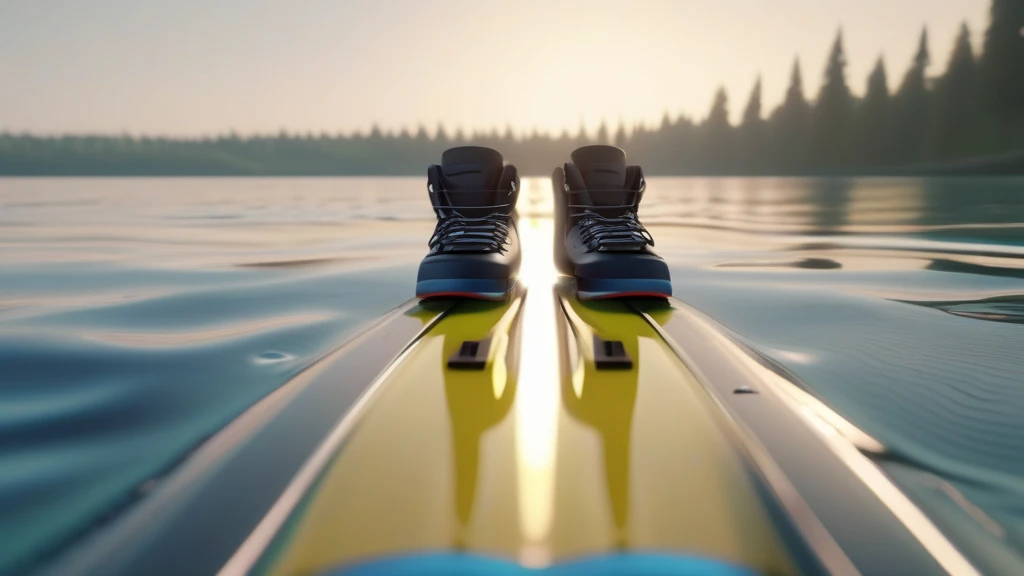
Trick water skiing is an exhilarating water sport that demands precision, agility, and balance. Whether you're spinning, flipping, or executing complex freestyle maneuvers, the right equipment setup can make a significant difference in your performance and safety. Among the critical components of your trick water skis setup, bindings and boots play a pivotal role in delivering comfort, control, and responsiveness. This article explores how to customize your bindings and boots effectively, ensuring you maximize your potential on the water.
Understanding the Importance of Bindings and Boots in Trick Water Skiing
Before diving into customization tips, it’s essential to understand why bindings and boots matter so much in trick water skiing.
- Control and Stability: Bindings secure your feet to the skis, directly affecting your ability to control movements during rapid spins and jumps.
- Comfort and Fit: Properly fitted boots and bindings reduce foot fatigue, prevent blisters, and allow you to focus on your technique.
- Safety: Features like quick-release bindings and anti-slip surfaces can minimize injury risk during falls or high-impact landings.
- Performance Enhancement: Customized setups can improve your balance and precision, giving you the edge in executing technical tricks.
Types of Bindings and Boots for Trick Water Skis
Bindings
Bindings in trick water skis vary primarily in their adjustability, design, and safety features. The common types include:
- Fixed Bindings: These provide a snug, stable fit but lack adjustability. Ideal for skiers who have found their perfect size and want maximum control.
- Adjustable Bindings: These allow for size modifications, accommodating different foot shapes or growth (useful for younger or progressing skiers).
- Open-Toe Bindings: Feature an open front that offers breathability and easier entry/exit but may sacrifice some protection.
- Closed-Toe Bindings: Enclose the entire foot, providing better protection and support, crucial for aggressive trick skiing.
Boots
Boots complement bindings by offering comfort and additional foot support. Their styles include:
- Open-Toe Boots: Lightweight and breathable, preferred by skiers who prioritize flexibility and quick drying.
- Closed-Toe Boots: Provide more protection and warmth, beneficial in cooler water or during intense sessions.
- Fixed Boots: Non-adjustable and form-fitted, offering maximum responsiveness.
- Adjustable Boots: With straps or lacing systems, these provide a customizable fit for changing conditions or foot swelling.
Customizing Bindings for Optimal Performance
1. Prioritize Proper Fit
A binding that’s too tight can restrict blood flow and reduce comfort, while one that’s too loose compromises control and safety. To optimize:
- Measure your foot length and width carefully.
- Choose bindings with adjustable straps or sizing to fine-tune the fit.
- Pay attention to heel and arch support, as these areas affect balance during tricks.
2. Incorporate Anti-Slip Features
Many modern bindings come with anti-slip surfaces or textured footbeds. These features enhance grip, especially when your feet are wet, reducing the chances of slipping during complex maneuvers.
3. Utilize Quick-Release Mechanisms
For safety, look for bindings equipped with quick-release options. These allow your foot to disengage quickly from the ski during falls, lowering injury risk without compromising secure attachment during normal use.
4. Adjust Binding Positioning
Some trick water skis offer adjustable binding mounting points. Experimenting with forward or backward binding placement can:
- Alter your center of gravity.
- Enhance maneuverability or stability.
- Tailor the ski’s responsiveness to your style.
Selecting and Customizing Boots for Comfort and Control
1. Match Boot Style to Your Skiing Conditions
- Warm Weather & Casual Sessions: Open-toe boots improve airflow and reduce heat buildup.
- Cold Water or Intense Training: Closed-toe boots provide insulation and better protection.
2. Focus on Arch and Ankle Support
Strong support reduces fatigue and improves control. Look for boots with cushioned insoles and reinforced ankle collars that lock your foot securely in place.
3. Consider Adjustable Features
Boots with adjustable straps, laces, or buckles allow you to modify tightness on the fly, accommodating foot swelling or changing comfort preferences during a session.
4. Break-In and Maintenance
New boots may feel stiff initially. Proper break-in through gradual use helps mold the boot to your foot shape, enhancing comfort and performance. Regularly clean and dry your boots to maintain material integrity and hygiene.
Fine-Tuning Your Setup: Practical Tips
Test Multiple Configurations
Don’t hesitate to try different binding tightness levels or boot adjustments before hitting the water. Even small changes can influence your balance and trick execution.
Pay Attention to Foot Alignment
Ensure your feet are aligned naturally within bindings and boots, as unnatural angles can lead to discomfort or impair performance during spins and jumps.
Use Padding or Insoles if Needed
Custom insoles or padding can address specific foot issues or improve comfort, especially during longer skiing sessions.
Regularly Inspect Hardware
Check for wear on bindings, straps, buckles, and boots. Replace components as needed to maintain safety and functionality.
Environmental Considerations
Many trick water skis and their accessories now incorporate eco-friendly materials and manufacturing processes. When customizing your bindings and boots:
- Look for products featuring recyclable components or biodegradable coatings.
- Choose durable materials that minimize the need for frequent replacement, reducing environmental impact.
- Support manufacturers committed to sustainable practices.
Conclusion: Tailoring Your Trick Water Skis Setup to Your Needs
Optimizing your trick water skis setup by carefully customizing bindings and boots is essential for enhancing your performance, comfort, and safety on the water. By understanding the various types, prioritizing fit and adjustability, and fine-tuning your configuration, you can gain better control, execute tricks more confidently, and enjoy your time on the water to the fullest.
Remember, the ideal setup varies depending on your skill level, skiing style, and environmental conditions. Take the time to experiment and listen to your body’s feedback, ensuring that your bindings and boots become a seamless extension of your technique. This attention to detail will help you push the boundaries of your trick water skiing abilities while protecting your feet and enhancing your overall experience.