
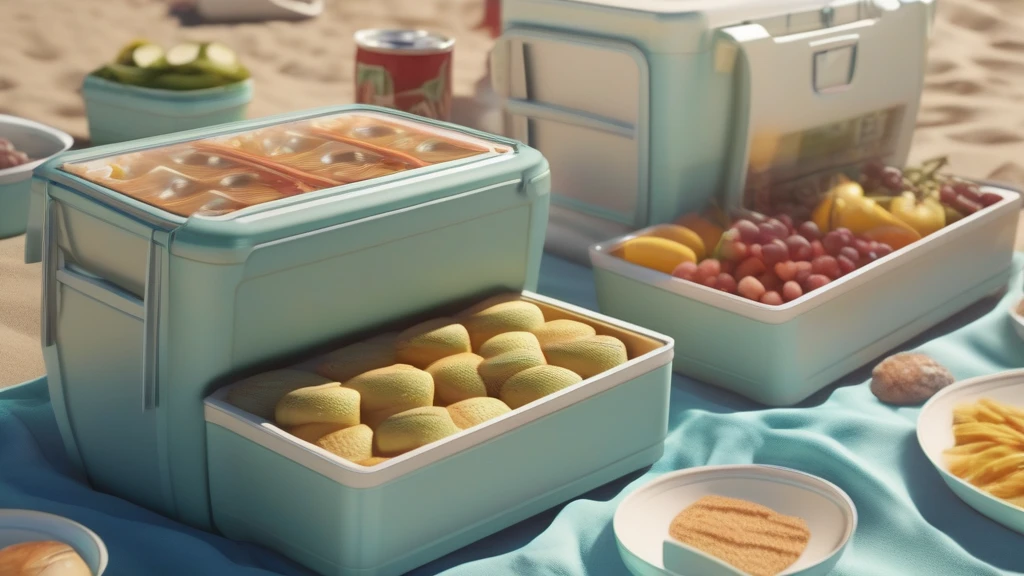
When heading outdoors for a day of camping, beach fun, fishing, or a backyard gathering, having a well-organized cooler can make all the difference in keeping your food fresh and beverages perfectly chilled. Whether you use a hard-shell rotomolded cooler, a soft-sided fabric model, or an electric cooler, efficient organization not only maximizes space but also helps maintain optimal temperature and prevents cross-contamination. In this article, we’ll explore practical tips and strategies to help you organize your cooler like a pro, ensuring your food and drinks stay cold, accessible, and safe throughout your adventure.
Understanding Your Cooler Type and Its Features
Before diving into organization tips, it’s important to consider the type of cooler you have and the features it offers. Coolers vary widely in design and functionality, and organizing them effectively depends on their construction and intended use.
Hard-Shell vs. Soft-Sided Coolers
- Hard-shell coolers are known for their rugged durability, typically made from rotomolded plastics or stainless steel. They often provide superior insulation and ice retention, ideal for multi-day trips or larger groups.
- Soft-sided coolers use high-density polyester nylon or EVA foam, offering lightweight portability and flexibility. They’re great for day trips and smaller loads but usually have shorter ice retention times.
Electric Coolers and Specialized Designs
Electric coolers provide the convenience of temperature control without relying solely on ice, making organization easier since you don’t have to worry about melting ice contaminating your items. Additionally, some coolers come with removable dividers, leakproof liners, or anti-stain coatings that can help keep your contents tidy and separated.
Tips for Efficient Cooler Organization
1. Pre-Chill Your Cooler and Contents
Start by chilling your cooler before packing. Place ice or frozen gel packs inside for several hours or overnight to lower the internal temperature. Similarly, pre-chill your food and beverages in the fridge or freezer. This reduces the cooling load on your cooler, helping maintain cold temperatures longer and preventing premature ice melt.
2. Use the Right Ice and Cooling Packs
Choose ice types and cooling packs based on your trip length and cooler type:
- Block ice melts slower than cubed or crushed ice, making it ideal for extended trips.
- Gel packs are reusable, leakproof, and less messy, perfect for soft-sided coolers.
- Hybrid systems combining ice and gel packs can optimize cooling efficiency.
Place ice or gel packs at the bottom or sides of the cooler, where cold air naturally settles, to maximize chilling.
3. Pack Strategically: Heavy and Cold Items First
Arrange items in layers, starting with the heaviest and coldest foods like meat, dairy, and drinks at the bottom. This ensures those items stay near the coldest area and prevents crushing delicate foods like fruits and sandwiches. Use removable dividers if your cooler offers them to separate food categories and prevent cross-contamination.
4. Utilize Airtight Containers and Waterproof Bags
Place perishable foods in airtight containers or resealable waterproof bags to prevent leaks and odors. This also protects delicate items from moisture and ice melt, keeping everything clean and fresh. Transparent containers can help you quickly identify contents without rummaging.
5. Keep Frequently Used Items on Top
Items you’ll need often, such as beverages, snacks, or condiments, should be packed on top or in external compartments if available. This minimizes how often you open the cooler, reducing cold air loss and preserving ice longer.
6. Create Zones for Different Food Types
Divide your cooler into zones for raw meats, ready-to-eat foods, fruits, and beverages. This reduces the risk of cross-contamination and makes it easier to find what you need. Using color-coded containers or labels can further streamline organization.
7. Maximize Space with Vertical Packing and Stackable Containers
Make use of vertical space by stacking containers and bottles upright. Collapsible or modular containers can help fit more items neatly without wasting space. Avoid overpacking, as air circulation around cold items is crucial for even cooling.
8. Drain Meltwater Regularly
Many coolers feature easy-drain systems—use these to remove meltwater frequently. Standing water can reduce ice efficiency and cause sogginess. Keeping the cooler dry helps maintain temperature and prevents bacterial growth.
Maintaining Your Cooler for Long-Term Use
Proper maintenance extends the life of your cooler and keeps it hygienic.
- Clean after each use: Use mild soap and warm water to clean the interior, paying attention to corners and seals. Avoid harsh chemicals that could degrade insulation or liners.
- Sanitize periodically: A diluted bleach solution or vinegar rinse helps eliminate odors and bacteria.
- Dry thoroughly: Leave the lid open to air dry completely before storage to prevent mold and mildew.
- Check seals and hardware: Inspect gaskets, handles, and wheels (if applicable) regularly for damage or wear.
Additional Considerations for Specific Activities
Beach Outings
Look for coolers with UV-resistant exteriors to withstand sun exposure. Portable soft-sided coolers or backpacks with insulated compartments allow easy carrying over sand. Include separate compartments for wet swimwear or towels to avoid moisture contamination.
Camping and Multi-Day Trips
Choose hard-shell coolers with thick, vacuum-sealed insulation and reliable locking lids. Using ice blocks mixed with gel packs can extend cooling up to 72 hours. Organize food by meal and day to minimize lid openings and confusion.
Fishing and Outdoor Sports
Waterproof and impact-resistant coolers are ideal. Some models include built-in bottle openers, cup holders, or non-slip handles for convenience. Use removable dividers to separate bait, catch, and food safely.
Conclusion
Organizing your cooler efficiently is key to enjoying fresh, chilled food and beverages during any outdoor activity. By understanding your cooler’s features, packing strategically, and maintaining cleanliness, you can maximize ice retention, prevent spoilage, and simplify access to your essentials. Whether you’re heading to the beach, camping in the wilderness, or hosting a backyard party, these tips will help you keep your cooler in top shape and your refreshments perfectly chilled.