
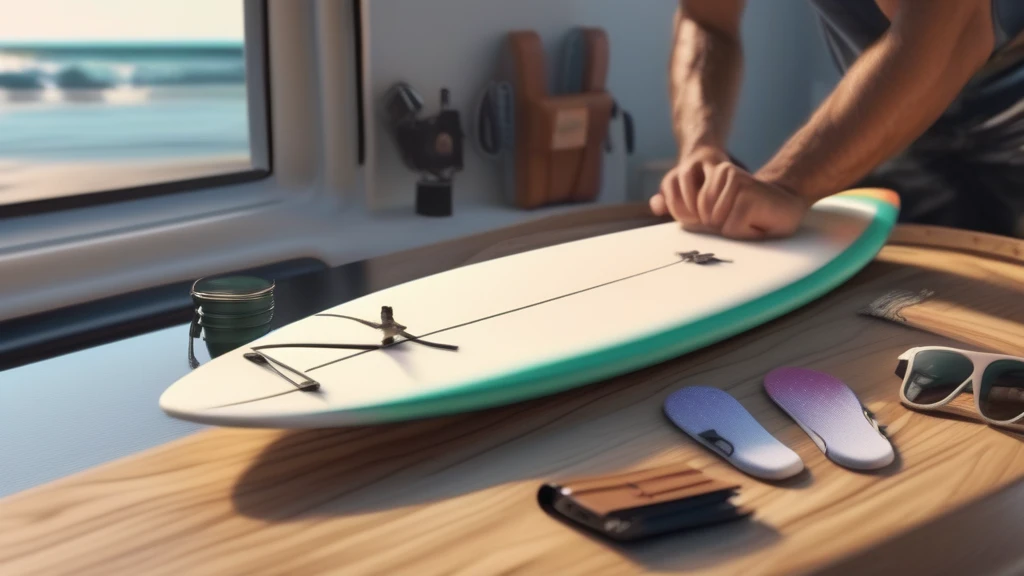
Traveling with a shortboard surfboard opens up exciting opportunities to explore new breaks and chase waves worldwide. However, ensuring your high-performance board arrives safely and ready to ride requires careful packing and preparation. Shortboards are designed for agility and speed, often made from lightweight yet delicate materials like epoxy or fiberglass, which makes proper handling during travel essential. In this guide, we’ll cover best practices for packing your shortboard surfboard and highlight the must-have accessories that make the process safer, more convenient, and eco-friendly.
Why Proper Packing Matters for Shortboard Surfboards
Shortboards typically feature advanced construction materials and sensitive design elements like detachable fin systems and specialized rockers, making them more vulnerable to damage during transport. Even minor dings or pressure cracks can affect performance, compromising your ability to execute quick maneuvers and maintain control on the waves.
Moreover, many shortboards incorporate eco-conscious materials and coatings that require gentle treatment to preserve their sustainability features. Proper packing not only protects your investment but also supports long-term durability and reduces the need for repairs or replacements.
Preparing Your Shortboard for Travel
Clean and Inspect Your Board
Before packing, thoroughly rinse your shortboard with fresh water to remove salt, sand, and debris. Use a soft cloth to dry it completely, paying special attention to the fin boxes and any detachable parts. Inspect for existing damage like cracks or dings, and if possible, apply quick repairs using a travel repair kit to prevent worsening during transit.
Remove or Secure Fins
Most modern shortboards utilize thruster or quad fin systems with detachable fins for portability. Removing the fins is highly recommended to avoid breakage or bending. Store them in a sturdy fin case or wrap them in padded materials. If you prefer to leave fins attached, ensure they are tightly screwed in and pad them carefully with foam or bubble wrap to absorb impact.
Apply a Protective Wax Layer
Applying a thin, fresh layer of surf wax on your deck before packing helps maintain grip and prevents scratching inside your board bag. Use environmentally friendly wax formulas when possible to align with sustainable surfing practices.
Choosing the Right Board Bag
Types of Board Bags
A quality board bag is the cornerstone of safe shortboard travel. There are several types to consider:
- Soft Bags: Lightweight and easy to carry, soft bags typically offer basic padding and protection against scratches and minor bumps. Ideal for short trips or airline carry-on if allowed.
- Padded Bags: These include thicker foam padding (often 10-15mm or more) that shields the board from more significant impacts during checked luggage transit.
- Hard Cases: Best for frequent flyers or long-distance travel, hard cases provide maximum protection with rigid shells but are bulkier and heavier.
Features to Look For
- Length and Width Fit: Choose a bag specifically sized for your shortboard dimensions to avoid excess movement inside.
- Multiple Compartments: Extra pockets for fins, wax, leashes, and tools improve organization and prevent damage from loose items.
- Reinforced Handles and Straps: Durable carrying options reduce strain and make transport easier.
- Water-Resistant Material: Helps protect your board from moisture during transit.
Packing Tips for Maximum Protection
Use Additional Padding
Even with a padded bag, adding extra cushioning around your board’s nose, tail, and rails is beneficial. Materials like bubble wrap, foam sheets, or even towels work well. Pay attention to vulnerable areas such as fin boxes and the deck’s edges where pressure damage is common.
Secure Loose Accessories
Place fins, leashes, wax kits, and repair tools in dedicated compartments or small cases within the bag. Avoid loose items rattling against the board, which can cause scratches or dents.
Positioning Your Board in Transport
When placing your packed shortboard into a car, plane overhead bin, or checked luggage, position it so the heaviest and most fragile parts are cushioned against stable surfaces. Avoid stacking heavy items on top of your board bag.
Must-Have Accessories for Traveling Surfers
Fin Cases
A compact fin case with thick padding is essential for protecting detachable fins. Some cases accommodate multiple fin types and sizes, allowing you to bring thruster, quad, or twin fins without risk.
Tail Pads and Deck Grips
If you want extra protection during travel, consider removable tail pads or deck grips that can cushion the board’s surface. These also help maintain traction once you arrive at your destination.
Travel Repair Kits
Compact repair kits with resin, sandpaper, and patches enable quick fixes to dings or cracks encountered on the road. Carrying one ensures you can address minor damage before it worsens.
Leash and Wax Kits
A travel-sized leash is convenient for replacing lost or damaged gear, while a wax kit with environmentally friendly formulas keeps your board grippy in various water temperatures.
Eco-Friendly Packing Materials
To align with sustainable surfing values, opt for biodegradable bubble wrap alternatives, recycled fabric bags, and reusable packing materials. Minimizing single-use plastics and waste supports ocean conservation efforts.
Additional Tips for Stress-Free Surfboard Travel
- Check Airline Policies in Advance: Different carriers have varied rules on surfboard dimensions, weight, and packing requirements. Some allow boards as carry-on, while others require checked baggage fees.
- Label Your Board Bag Clearly: Add your name, contact info, and destination details in case of lost luggage.
- Consider Travel Insurance: If you’re flying, insurance can cover damage or loss, providing peace of mind.
- Travel with a Backup Plan: If your board is delayed or damaged, knowing local rental shops or surf schools can save your trip.
Conclusion
Traveling with your shortboard surfboard demands thoughtful packing and the right gear to protect your high-performance equipment. By cleaning and inspecting your board, removing or securing fins, choosing a well-padded board bag, and investing in essential accessories like fin cases and repair kits, you can safeguard your surfboard throughout your journey. Prioritizing eco-friendly materials and sustainable packing practices also helps preserve the oceans and beaches you love to ride.
With these best practices, you’ll arrive at your destination confident that your shortboard is ready for action—allowing you to focus on catching the perfect wave and enjoying every moment of your surf adventure.